Why Argentina President is skipping the World Cup final despite Trump's presence
Source Entity
TOI SPORTS DESK
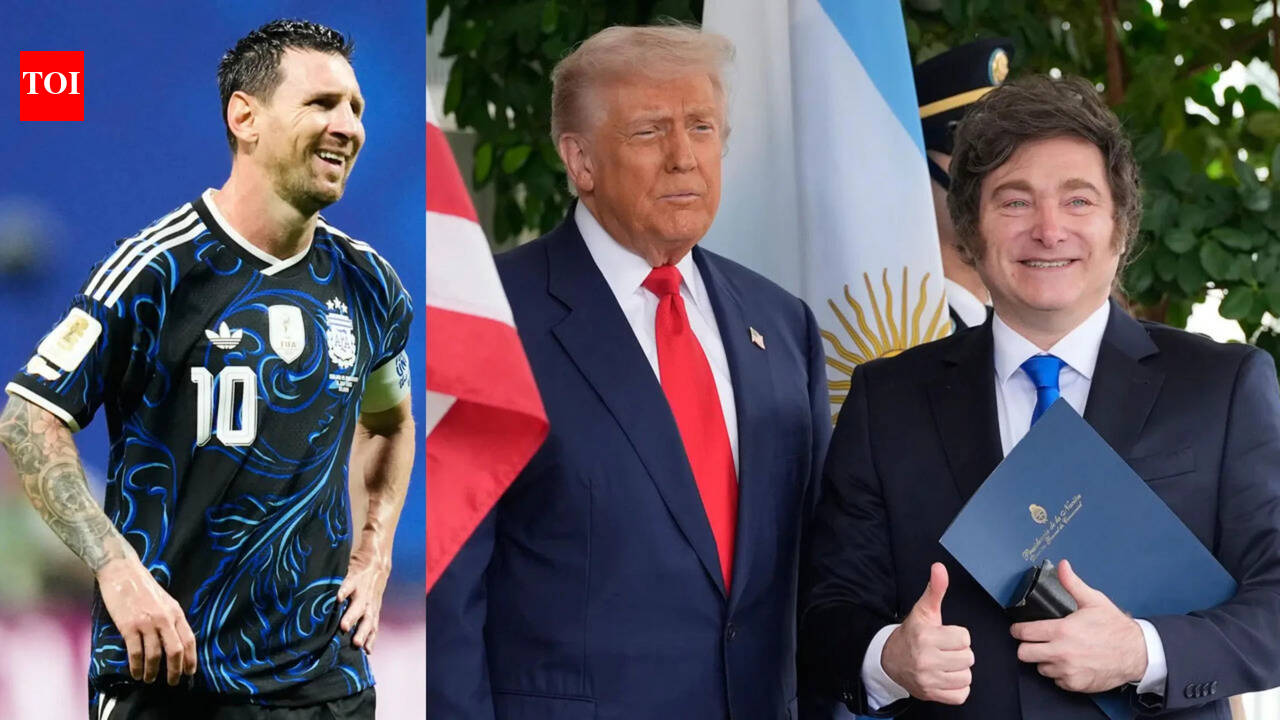
Argentine President Javier Milei will skip the World Cup final against Spain due to deeply held superstitions known as 'cábalas.' Meanwhile, FIFA has introduced a historic new ring award for the final, which will be officiated by referee Slavko Vincic.
A President’s Superstition: Milei and the Culture of Cábalas
As Argentina prepares for a high-stakes FIFA World Cup final against Spain at the MetLife Stadium in New Jersey, a notable absence will define the presidential box. President Javier Milei has confirmed he will not attend the match, opting to remain at the Olivos presidential residence. This decision is rooted in the deeply ingrained Argentine tradition of cábalas—personal superstitions that fans and public figures alike believe influence the outcome of a match. For Milei, the risk of disrupting the team's momentum by his presence is a gamble he is unwilling to take.
The Weight of Tradition
In Argentina, football is more than a sport; it is a cultural pillar where rituals hold immense power. Fans often maintain strict routines during a tournament, such as wearing specific clothing, sitting in identical spots, or avoiding the laundering of jerseys throughout a winning streak. By choosing to stay home, Milei is participating in a national ethos that prioritizes collective luck and ritualistic consistency over traditional diplomatic appearances. His refusal to join world leaders like Donald Trump or FIFA President Gianni Infantino highlights how cultural identity often supersedes global political posturing.
A Historic Shift in FIFA Awards
While the President remains at home, the match itself is set to make history. For the first time in 96 years, FIFA has unveiled a special 'ring' award to be presented at the conclusion of the final. This innovation marks a significant departure from traditional trophy presentations, signaling a shift in how FIFA commemorates milestone matches. The backdrop of this inaugural award is the highly anticipated clash between Argentina and Spain, a match that promises to be a defining moment in contemporary football history.
The Controversy of the Final Arbiter
Adding a layer of complexity to the final is the appointment of referee Slavko Vincic. This match will serve as the final chapter of his career, though his selection has not been without scrutiny. Vincic’s past involvement in a 2020 police operation in Bosnia—where he was detained during a raid on an alleged criminal ring—has resurfaced in public discourse. While Vincic maintained he was merely attending a lunch, the incident remains a point of contention for fans who feel his history casts a shadow over the integrity of the officiating in such a monumental game.
The Convergence of Narratives
The narrative of this World Cup final is a collision of the symbolic and the technical. On one side, we have the emotional and superstitious weight of a nation led by a President who fears that his physical presence might break a winning spell. On the other, we have the introduction of a new, prestigious award that looks toward the future of football pageantry. These elements, combined with the controversial tenure of the match referee, create a unique atmosphere that transcends the game itself.
Future Trends and Legacy
Looking ahead, this final represents a turning point for football’s global governance and cultural presentation. The introduction of the 'ring' award suggests that FIFA is eager to modernize its legacy symbols, while the public discourse surrounding figures like Vincic and the personal superstitions of world leaders continue to demonstrate that football remains deeply human, messy, and unpredictable. As Argentina seeks a historic title defense, the world watches not just for the score, but for the culmination of these intersecting cultural and historical threads.
Multiple Citing Sources