Arjun Erigaisi, Nihal Sarin bow out in EWC 2026 quarterfinals
Source Entity
Mayank Chaudhary
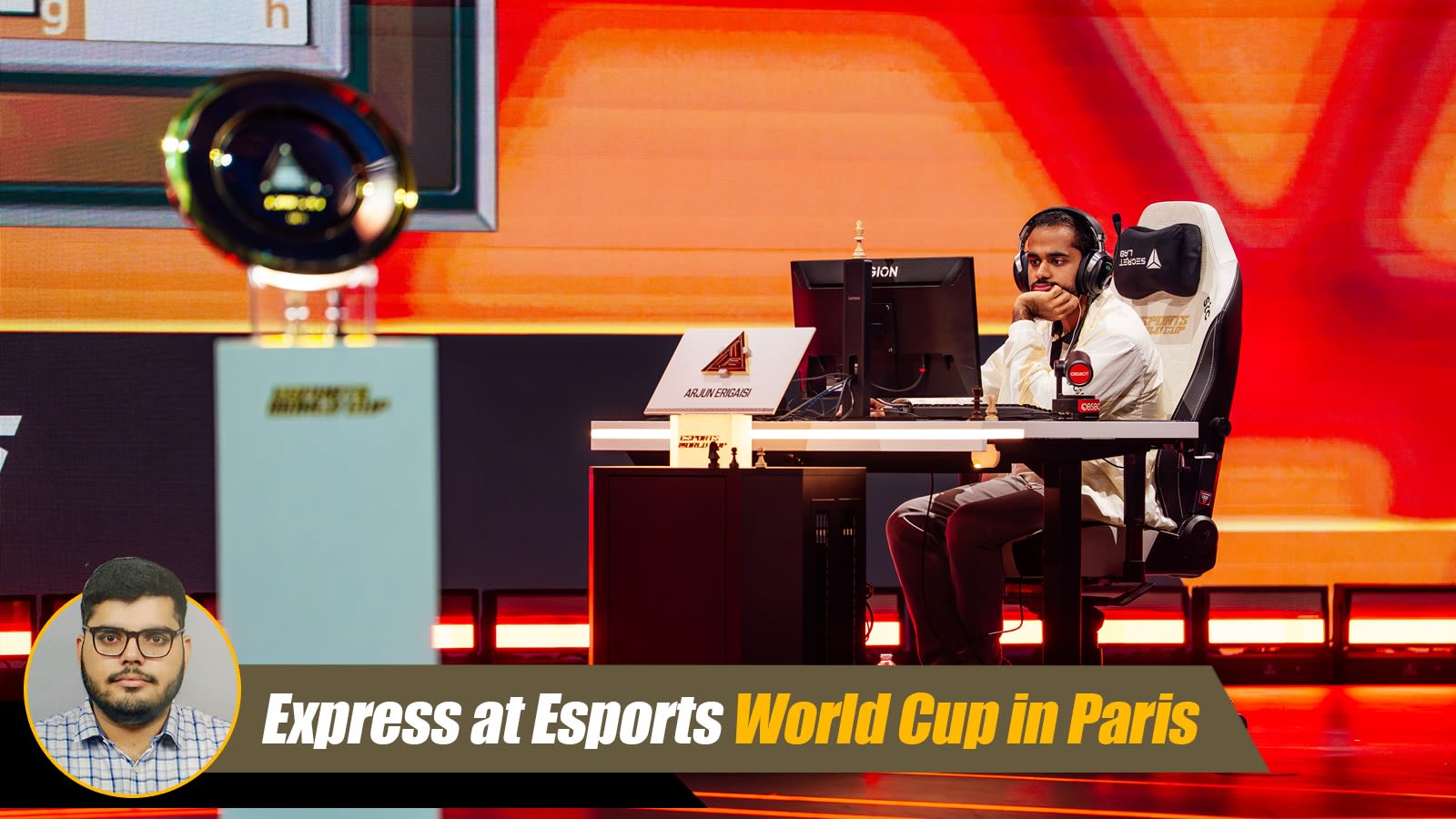
Indian chess stars Arjun Erigaisi and Nihal Sarin have been eliminated in the quarterfinals of the Esports World Cup (EWC) 2026. Despite high hopes following expanded qualifying rounds, both players faced tough exits in Paris, mirroring previous tournament struggles.
Indian Chess Stars Exit EWC 2026 Quarterfinals
The 2026 Esports World Cup (EWC) has concluded prematurely for India's premier chess talents, Arjun Erigaisi and Nihal Sarin. Despite the optimism surrounding an expanded field and the introduction of dedicated zonal qualifiers, the tournament saw both players bow out at the quarterfinal stage in Paris, marking a difficult chapter for the contingent.
A Repeating Narrative
For Arjun Erigaisi, the exit carries a sense of déjà vu. During the previous year's event in Riyadh, Erigaisi had successfully navigated his way to the semifinals, only to be halted by Alireza Firouzja. His subsequent loss to Hikaru Nakamura in the third-place playoff left him just shy of the podium. The 2026 campaign in Paris, while promising in its lead-up, ultimately followed a similar trajectory, highlighting the brutal consistency required at the elite level.
The Challenge of Elite Competition
Nihal Sarin’s journey in the tournament was equally cut short by the formidable presence of Magnus Carlsen. Meeting the world-class grandmaster in the quarterfinals, Sarin's campaign was effectively silenced by one of the sport's most dominant figures. This encounter underscores the immense difficulty Indian players face when navigating the deep, star-studded brackets of the EWC, where every match requires near-perfect precision.
The Impact of Zonal Qualifiers
The EWC 2026 had introduced a structural shift, implementing dedicated zonal qualifiers to provide a more inclusive pathway for international players. While this change was intended to widen the competitive pool and provide more opportunities for emerging talent, it also heightened the intensity of the final bracket. For Indian fans, the expansion represented a glimmer of hope that the talent pool could finally break through the semifinal glass ceiling.
Future Trends and Outlook
Despite these exits, the performance of Indian chess players on the global stage continues to evolve. The fact that four Indians managed to qualify for this high-stakes environment indicates a growing depth in the nation's chess infrastructure. As these players continue to gain experience against top-tier opponents like Carlsen and Firouzja, the gap between the contenders and the winners is expected to narrow.
Conclusion
While the EWC 2026 did not yield the desired result for Arjun Erigaisi and Nihal Sarin, their participation serves as a vital learning experience. The transition from regional dominance to global consistency is a rigorous process, and the lessons learned in Paris will likely serve as the foundation for future tournament strategies. The Indian chess scene remains a force to be reckoned with, even as the search for that elusive EWC trophy continues.