Why did Army Secretary Dan Driscoll resign? 'Conflict' with Pete Hegseth explained
Source Entity
Latest News: Todays Latest News Headlines from India & World | Hindustan Times | Hindustan Times
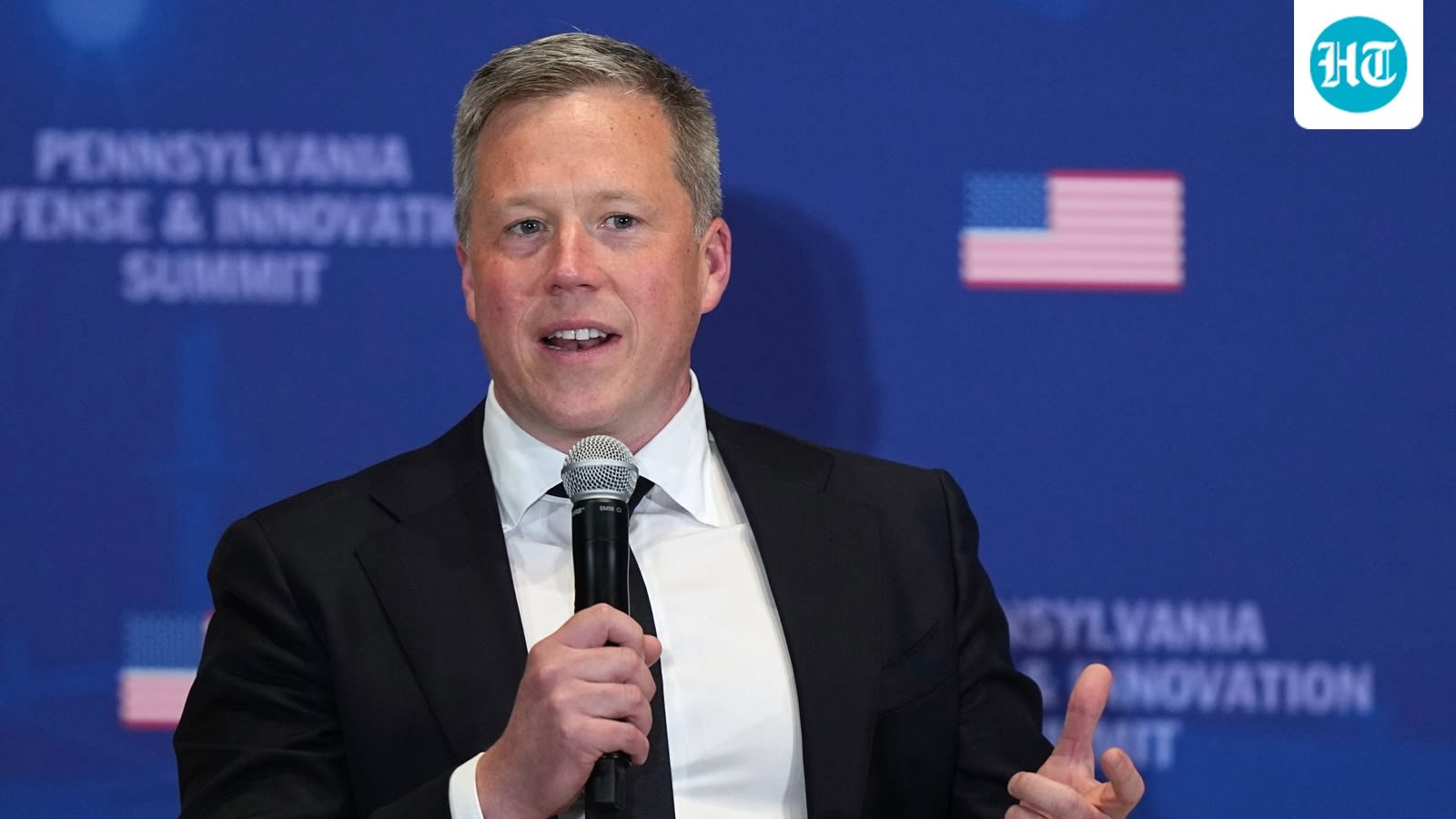
Army Secretary Dan Driscoll has resigned following months of documented internal friction with Defense Secretary Pete Hegseth. The White House confirmed the departure while publicly maintaining a narrative of gratitude for his service.
The Departure of Dan Driscoll: Analyzing the Pentagon Shake-up
A Leadership Void in the Department of the Army
Army Secretary Dan Driscoll has officially submitted his resignation, a move confirmed by the White House on Monday. This high-level departure marks a significant shift in the Pentagon’s organizational structure, coming after a period of intense scrutiny regarding the internal dynamics of the Department of Defense. While the White House has framed the transition through the lens of standard administrative change, the resignation follows months of reported friction between Driscoll and Defense Secretary Pete Hegseth.
The Roots of Institutional Tension
At the heart of this resignation lies a series of disagreements between Driscoll and Hegseth. Such tensions are not uncommon in high-stakes defense environments where policy priorities, military readiness strategies, and budgetary allocations often collide. The reports of 'months of conflict' suggest that the working relationship between the two leaders became untenable, likely impacting the efficiency of the Army’s administrative and strategic operations. When the heads of the Department of Defense and the Department of the Army diverge fundamentally on policy, the resulting friction often necessitates a leadership change to maintain coherence.
White House Response and Public Messaging
In its official statement, the White House opted for a diplomatic approach, praising Driscoll for his role in advancing President Trump’s 'Make America Strong Again' agenda. Spokesperson Anna Kelly’s remarks focused on Driscoll’s effectiveness, intentionally omitting any reference to the internal strife that preceded his exit. This calculated communication strategy aims to minimize the perception of instability within the defense hierarchy, ensuring that the transition is viewed as a natural progression rather than a reactionary measure to internal dysfunction.
The Broader Implications for Army Strategy
Driscoll’s tenure, highlighted by appearances at venues such as the U.S. Army War College, was marked by a focus on defense innovation. His resignation raises critical questions regarding the future direction of the Army. As the department prepares for a successor, the primary challenge will be to align the new leadership with Secretary Hegseth’s broader vision while addressing the underlying policy disagreements that led to this vacancy. Ensuring continuity in military readiness is paramount, especially during a period of shifting national security priorities.
Historical Context and Future Outlook
Historically, the relationship between the Secretary of Defense and the service secretaries is a delicate balance of civilian oversight and administrative execution. When that balance is disrupted by ideological or operational disagreements, the result is almost invariably a resignation. As the administration moves to fill this role, they will likely seek a candidate who can navigate the complex political landscape of the Pentagon while maintaining a harmonious working relationship with Secretary Hegseth. The coming months will be critical in determining whether this change facilitates a more streamlined approach to Army modernization or if further internal adjustments are required to solidify the Department's strategic path.
Verification Required?