Sonia Gandhi’s book: Penguin India lawyers asked for changes and cuts in ‘several chapters’
Source Entity
Ritu Sarin
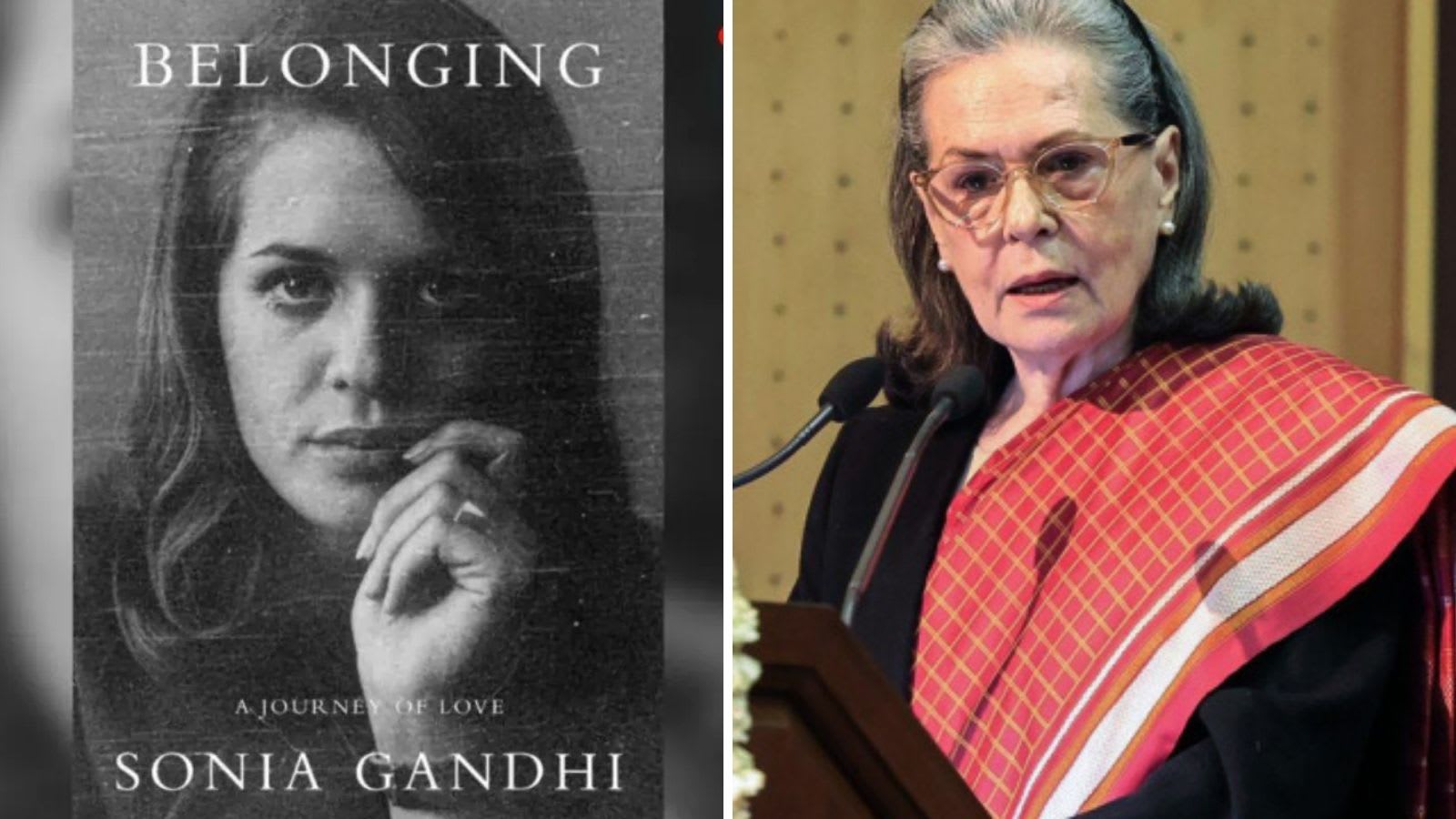
Penguin Random House India has pulled out of publishing Sonia Gandhi’s upcoming memoir, 'Belonging,' following a two-month dispute over requested editorial changes. HarperCollins is now reportedly in advanced talks to secure the Indian publishing rights for the book.
The Editorial Standoff: Analyzing the Penguin-Gandhi Split
The collapse of the publishing agreement between Penguin Random House India (PRHI) and Sonia Gandhi regarding her upcoming memoir, Belonging, marks a significant moment in the intersection of Indian politics and the publishing industry. The dissolution of this deal, which followed two months of intense negotiations, highlights the complexities inherent in publishing high-profile political memoirs, where legal scrutiny and editorial independence often collide.
The Anatomy of the Dispute
According to reports, the breakdown of the relationship was rooted in a rigorous vetting process. Lawyers representing PRHI identified several chapters within the manuscript that required significant alterations or outright deletions. This "back-and-forth" process, which began cordially, eventually deteriorated into a "rough" negotiation phase. The inability to reconcile these editorial demands with the author’s vision ultimately led to the termination of the deal, underscoring how legal risk management in the Indian publishing sector can act as a catalyst for creative irreconcilability.
The Global vs. Local Publishing Dynamic
While Alfred A. Knopf—a division of the global Penguin Random House entity—remains the global publisher for Belonging, the failure of the local Indian arm to finalize the agreement illustrates the unique pressures faced by domestic publishers. Indian publishing houses must navigate a complex landscape of defamation laws and political sensitivities that differ significantly from international environments. This divergence often forces local subsidiaries to adopt a more conservative approach to high-stakes political manuscripts.
HarperCollins and the Changing Landscape
Following the exit of PRHI, the industry's focus has shifted toward who will step into the void. HarperCollins has emerged as the frontrunner, reportedly nearing an agreement to take over the publication and distribution rights for the Indian market. This transition reflects the competitive nature of the Indian publishing sector, where major houses vie for the memoirs of significant political figures, even when those projects carry inherent risks of controversy or legal friction.
Broader Implications for Political Memoirs
This event serves as a bellwether for the future of political writing in India. As public interest in the personal histories of political leaders remains high, the publishing industry is increasingly caught between the desire to produce blockbuster titles and the necessity of insulating themselves from legal challenges. The case of Belonging suggests that publishers are becoming more assertive in demanding editorial control, a trend that may force future authors to navigate a more stringent path to publication.
Conclusion: The Future of 'Belonging'
As the dust settles, the focus returns to the content of the book itself. The intensity of the negotiations with Penguin suggests that the manuscript contains sensitive material that could prove consequential upon its eventual release. With HarperCollins likely to take the helm, the industry will watch closely to see if the final version of Belonging undergoes the same level of scrutiny or if a different editorial compromise will be reached to bring Sonia Gandhi’s narrative to the Indian public.