It's time to move from endless war to end of war: PM Modi to Putin
Source Entity
SACHIN PARASHAR
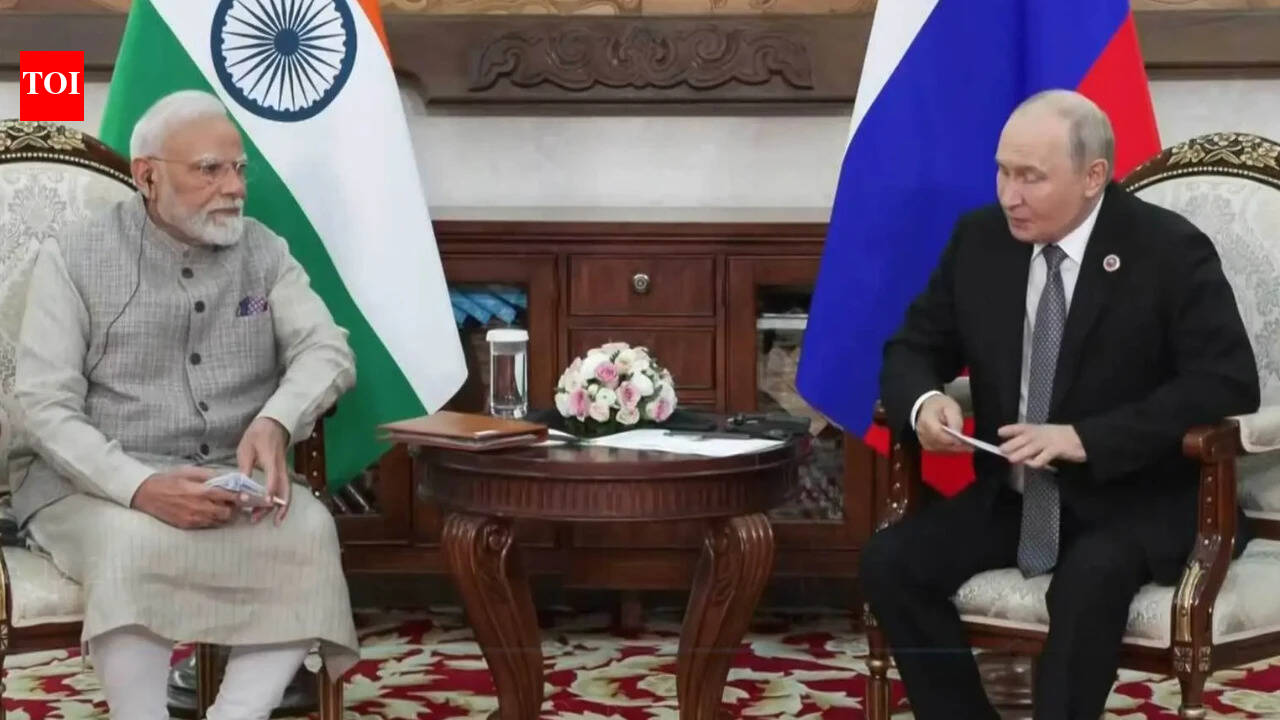
Prime Minister Narendra Modi urged President Vladimir Putin to transition from conflict to peace during the SCO summit. This marks a continued diplomatic push by India to resolve the ongoing war through dialogue and cooperation.
A Strategic Call for Peace: Modi’s Diplomatic Pivot
Prime Minister Narendra Modi’s recent assertion to Russian President Vladimir Putin that the world must transition from an era of "endless war" to the "end of war" marks a significant moment in contemporary international relations. Speaking on the sidelines of the Shanghai Cooperation Organisation (SCO) summit in Bishkek, this direct appeal underscores India’s nuanced position on the global stage. By moving beyond traditional diplomatic rhetoric, Modi has signaled that the prolonged conflict has reached a point where the humanitarian and economic costs necessitate a swift resolution rather than continued escalation.
The Context of the SCO Engagement
This meeting represents the first in-person engagement between the two leaders since their bilateral summit in New Delhi last December. The SCO, an intergovernmental organization that spans Eurasia, serves as a critical venue for this dialogue. By choosing this multilateral platform to address the Russian leadership, India is effectively utilizing its geopolitical leverage to advocate for stability, emphasizing that the welfare of humanity is inextricably linked to the cessation of hostilities that have persisted for over four years.
India’s Balanced Diplomatic Stance
India’s diplomatic approach remains consistent: supporting all peaceful methods to resolve the current impasse. While India has historically maintained a deep-seated strategic partnership with Russia—spanning defense, energy, and technology sectors—this latest intervention demonstrates a refusal to remain silent on issues that destabilize the global order. By urging a move toward the 'end of war,' India is positioning itself as a credible mediator capable of maintaining open communication lines with both Russia and Western stakeholders.
Broader Implications for Global Stability
The conflict has undeniably exerted an adverse impact on the global community, affecting supply chains, food security, and energy prices. Modi’s message reflects a broader concern that 'endless war' creates a cycle of uncertainty that hinders development for emerging economies. The emphasis on ending the conflict is not merely a moral stance but a pragmatic economic necessity, as the world struggles to recover from the ripple effects of the ongoing crisis.
Future Trends in Indo-Russian Relations
Despite the candid exchange regarding the war, both leaders reaffirmed their commitment to expanding cooperation in key sectors. The agreement to maintain contact suggests that while the conflict remains a point of contention, the foundational partnership between New Delhi and Moscow remains intact. Moving forward, India is likely to continue its 'multi-alignment' strategy, balancing its historic ties with Russia against its growing role as a global voice for peace and conflict resolution.
Concluding Perspectives
Ultimately, Prime Minister Modi’s intervention serves as a reminder that even in an era of complex geopolitical rivalries, the necessity of dialogue remains paramount. By calling for an end to the conflict, India has reinforced its commitment to international norms and peaceful dispute resolution. Whether this nudge will influence the Kremlin’s long-term strategy remains to be seen, but it effectively underscores India’s growing influence in shaping the narrative of global security and stability.