SIR draft rolls see over 13 crore deletions so far, Delhi leads with 33% left out
Source Entity
Damini Nath
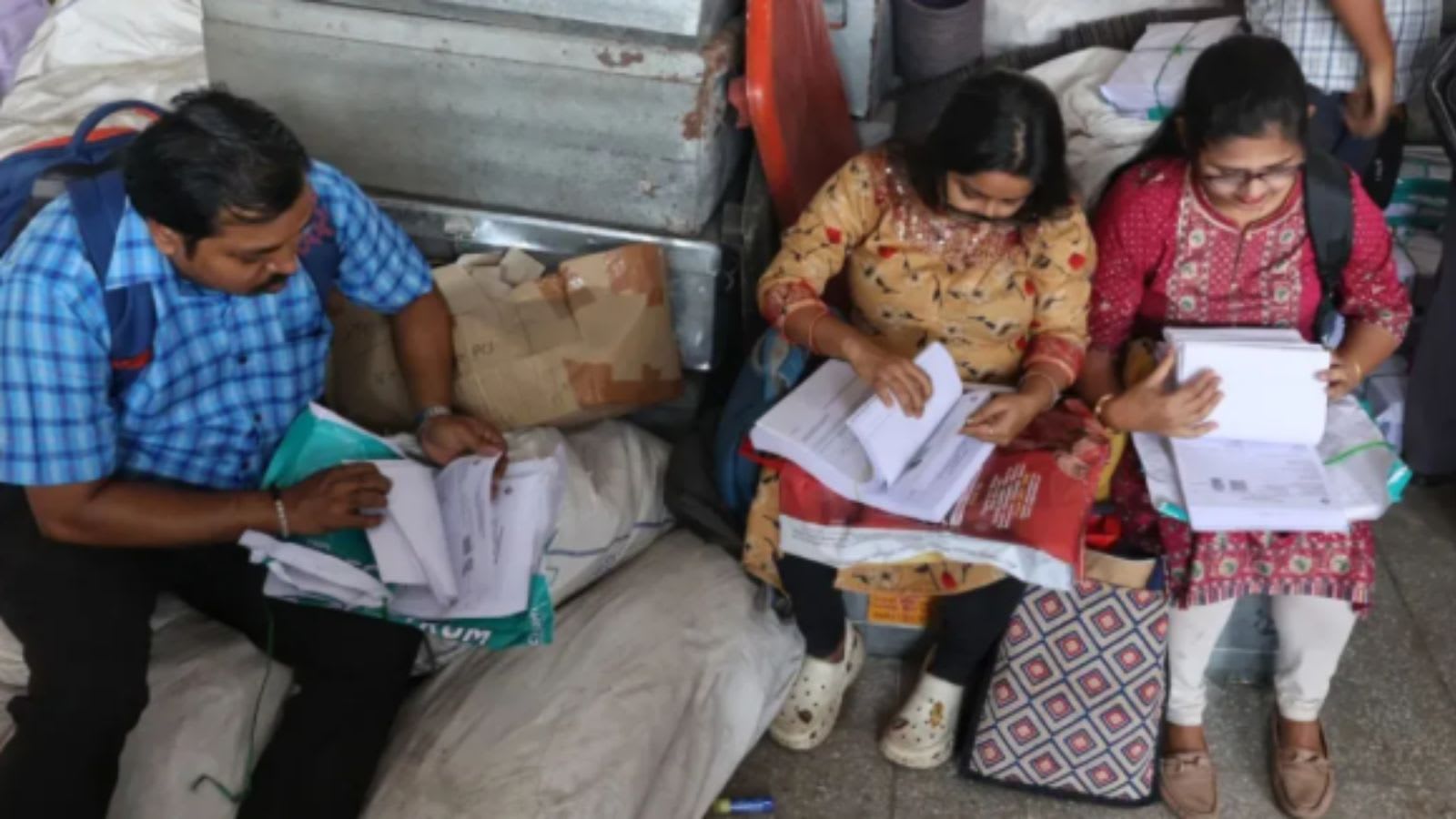
The Election Commission of India has initiated a massive Special Intensive Revision of electoral rolls, resulting in over 13 crore deletions across 30 states. Officials emphasize that these figures represent draft rolls and urge citizens to verify their status and apply for inclusion.
Understanding the Special Intensive Revision (SIR) of Electoral Rolls
The Election Commission of India (ECI) has embarked on a rigorous administrative exercise known as the Special Intensive Revision (SIR) of electoral rolls. Commencing in June of last year, this nationwide initiative aims to refine the accuracy of voter databases. As of the latest reports, this process has resulted in over 13 crore names being removed from draft rolls across 30 States and Union Territories, reflecting a significant effort to clean up data that may have been outdated, duplicated, or erroneous.
Impact on Key States: Delhi and Maharashtra
The scale of this revision is most starkly visible in Delhi and Maharashtra. In Delhi, the electoral rolls saw a reduction of 32.8%, with the total number of electors dropping from 1.45 crore to 97.53 lakh. Similarly, Maharashtra witnessed a significant contraction, with 2.06 crore people not included in the latest draft, reducing the total count from 9.78 crore to 7.71 crore. These figures represent a 21.1% decrease in the state's electoral base, highlighting the magnitude of the verification process.
Clarifying the 'Deletion' Narrative
It is imperative to distinguish between permanent exclusion and the current status of the draft rolls. Maharashtra Chief Electoral Officer S. Chockalingam has clarified that the 2.07 crore figure represents Enumeration Forms that could not be collected during the revision process. This does not necessarily equate to a permanent disenfranchisement of these voters. Instead, the draft roll serves as a provisional document intended to solicit public feedback and allow for necessary administrative corrections before the final electoral roll is published.
The Role of the Voter in the Revision Process
With the draft rolls now published, the responsibility shifts toward the electorate. Election officials have issued a strong appeal for citizens to proactively verify their enrollment status. Rather than focusing solely on the aggregate statewide statistics, voters are urged to personally check their names, addresses, and other vital details. The ECI has provided clear channels for citizens to apply for inclusion if they find their names missing or to seek corrections if errors are identified.
Broader Implications for Electoral Integrity
This exercise underscores the ECI’s commitment to maintaining a robust and accurate voter registry. The removal of millions of names is a standard procedural step to ensure that the electoral rolls remain updated, accounting for migration, death, or changes in residence. While the large numbers may appear alarming to the public, the ECI’s framework for claims and objections is designed precisely to rectify any inadvertent omissions that occurred during the field verification phase.
Future Trends and Conclusion
The SIR process serves as a critical diagnostic tool for India's democratic infrastructure. By identifying gaps in data collection—such as the 2.07 crore uncollected Enumeration Forms in Maharashtra—the ECI can better refine its outreach strategies in future cycles. Moving forward, the success of this revision will depend on the public’s engagement in the verification process. Ultimately, this administrative cleansing is a foundational step in ensuring the integrity of forthcoming elections, reinforcing the principle that an accurate roll is the bedrock of a fair electoral process.
Multiple Citing Sources