In slamming ‘Arogara’ chants for Vijay at temple festival, DMK, BJP find common ground
Source Entity
Arun Janardhanan
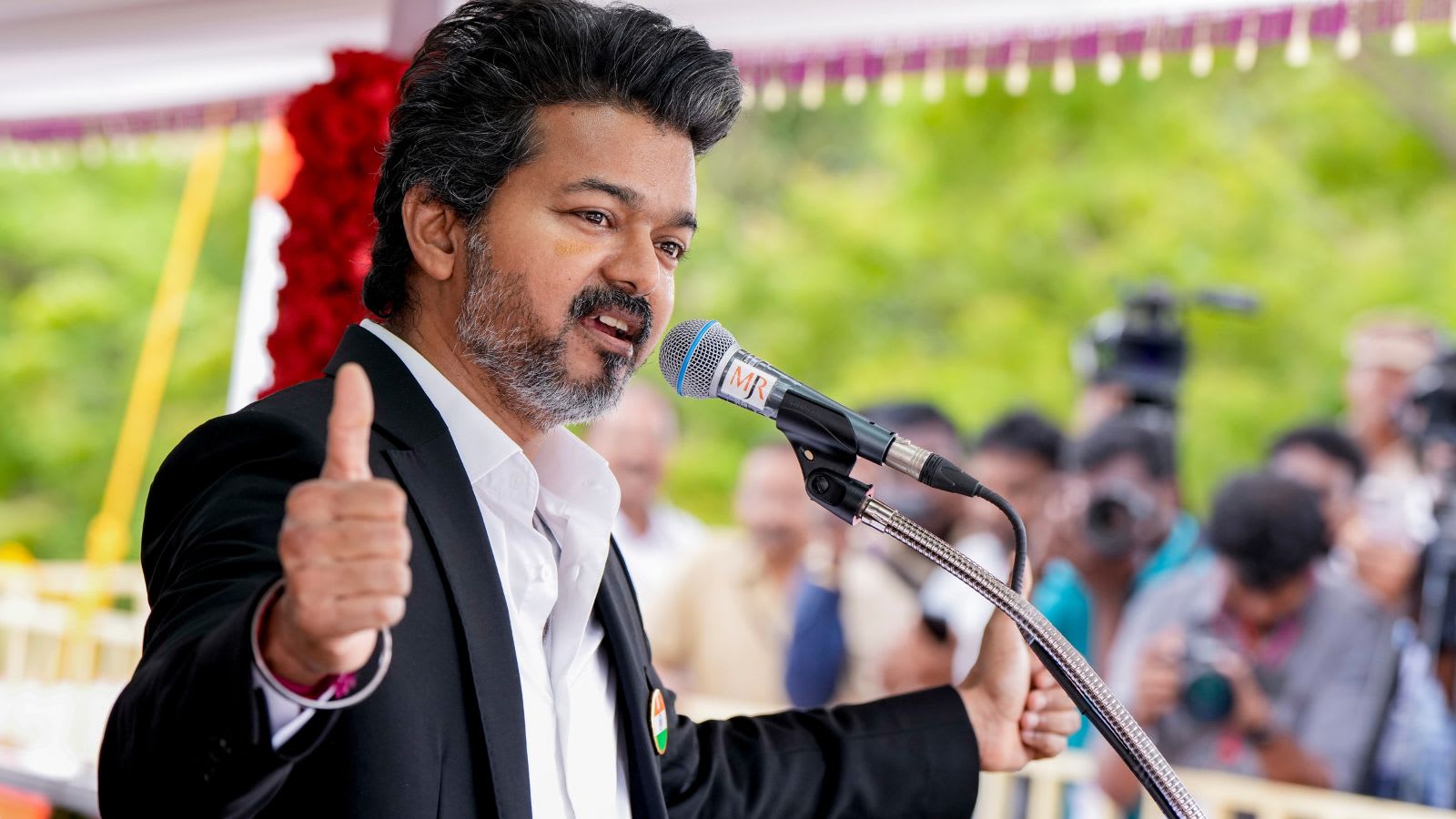
A controversy erupted at the Tiruchendur temple festival after a singer invoked political figures during traditional Lord Murugan chants. Both the DMK and BJP condemned the act, marking a rare moment of political alignment against the TVK's actions.
The Intersection of Faith and Politics at Tiruchendur
The recent events at the seaside temple of Tiruchendur have sparked a significant debate regarding the boundaries of religious observance and political promotion. During the Soorasamharam, a sacred ritual that re-enacts Lord Murugan’s legendary slaying of the demon Surapadman, the traditional devotional chant 'Arogara' was diverted from its spiritual purpose. Playback singer Velmurugan, during a live commentary, extended this invocation to include Tamil Nadu Chief Minister C. Joseph Vijay and HR&CE Minister S. Ramesh, fundamentally altering the nature of the religious event.
The Sanctity of Rituals and Public Perception
For generations, 'Arogara' has been a deeply resonant chant used exclusively by worshippers to honor Lord Murugan. By incorporating the names of political figures into this specific liturgical context, the incident has been perceived by many as an inappropriate encroachment of political theater into a spiritual space. The Soorasamharam is a climactic moment of Kanda Sashti, symbolizing the triumph of good over evil; its repurposing for the promotion of political leaders during a live broadcast has raised questions about the commercialization and politicization of temple festivals.
A Rare Political Convergence
One of the most notable outcomes of this controversy is the convergence of the DMK and the BJP. Despite their deep-seated ideological differences and political rivalry, both parties have found common ground in criticizing the TVK for this incident. This rare alignment underscores the sensitivity of religious sentiments in Tamil Nadu politics and the unspoken consensus that state-sanctioned religious events should remain distinct from partisan political branding.
Implications for the TVK
For the ruling TVK, this incident serves as a cautionary tale regarding the optics of public engagement. While political figures often seek to connect with the electorate through cultural and religious events, the backlash suggests that there is a threshold of public tolerance that, when crossed, can lead to widespread condemnation. The attempt to equate political leadership with divine invocations has backfired, creating a narrative that the party is disregarding the sanctity of traditional customs.
The Broader Context of Religious Governance
The role of the HR&CE department in managing state temples is often a point of contention. With a minister directly involved in this controversy, the event highlights the complex relationship between the state government and the administration of religious institutions. As the state continues to navigate its role in temple festivals, this incident serves as a reminder that the public holds these institutions to a higher standard of decorum, expecting them to prioritize tradition over political messaging.
Future Trends in Political Observance
Moving forward, political parties in the region may need to adopt a more cautious approach when participating in religious festivals. The swift backlash from across the political spectrum indicates that voters are increasingly alert to the conflation of religious devotion with political propaganda. Future trends likely point toward a more guarded engagement, where political leaders must balance their desire for visibility with a profound respect for the cultural and spiritual boundaries of the communities they serve.