15,627 social media posts removed since UDF came into power, government reveals in Assembly
Source Entity
India Latest News: Top National Headlines Today & Breaking News | The Hindu
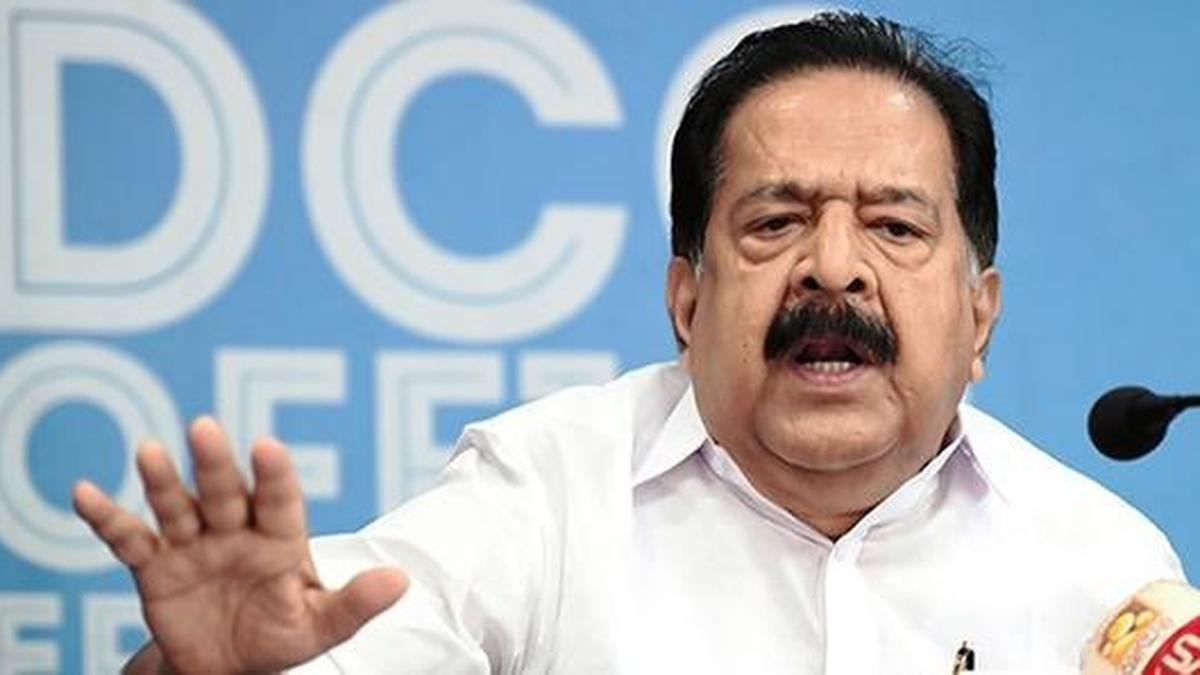
The Kerala government has confirmed the removal of 15,627 social media posts following 4,201 complaints since the UDF came to power. This disclosure, provided by Home Minister Ramesh Chennithala, has raised questions regarding government influence over online criticism.
Analysis of Social Media Content Regulation in Kerala
The Scope of Content Removal
Recent disclosures in the Kerala Legislative Assembly have brought to light the extent of digital content moderation under the United Democratic Front (UDF) administration. According to Home Minister Ramesh Chennithala, acting in response to an inquiry by MLA Xavier Chittilappilly, the state police have processed 4,201 complaints regarding objectionable social media content. This administrative effort has culminated in legal action across 3,472 cases and the subsequent removal of 15,627 posts and links across various digital platforms.
Political Implications and Transparency
The revelation that these removals included content featuring Chief Minister V.D. Satheesan and other cabinet ministers has sparked significant debate. This disclosure is particularly sensitive given that Chief Minister Satheesan had previously denied that his office or the government exerted pressure on platforms like Meta to suppress news reports or social media commentary critical of his administration. The discrepancy between these prior denials and the official legislative data creates a complex narrative regarding the government's relationship with digital dissent.
The Mechanism of Digital Oversight
The scale of 15,627 removed posts suggests a highly active apparatus for monitoring online discourse. In the modern political landscape, social media has become the primary battleground for public opinion. By utilizing state machinery to address 'objectionable' content, the government is navigating the fine line between maintaining public order and potentially infringing upon the democratic principle of free speech. The involvement of the police in nearly 3,500 legal cases indicates that the government's approach goes beyond simple content reporting and enters the realm of formal legal intervention.
Balancing Security and Free Speech
Historically, governments have sought to regulate online spaces to curb misinformation or hate speech. However, the inclusion of posts targeting high-ranking officials in the removal tally highlights the risk of political weaponization of these tools. When the state acts as the arbiter of what constitutes 'objectionable' material—especially when that material involves public figures—it risks chilling political discourse and reducing the space for legitimate critique of elected representatives.
Future Trends in Digital Governance
Looking ahead, the tension between the UDF government's actions and the public's perception of these removals will likely remain a central theme in Kerala's political discourse. As social media platforms continue to refine their community standards and governments increase their requests for content takedowns, the need for transparent, evidence-based oversight becomes paramount. This incident serves as a case study for the broader challenges facing democratic institutions in the age of algorithmic governance and digital political influence.
Verification Required?