What do demolished homes leave behind? An artist explores memories in fragments of bricks and cement
Source Entity
Akriti Kanodia
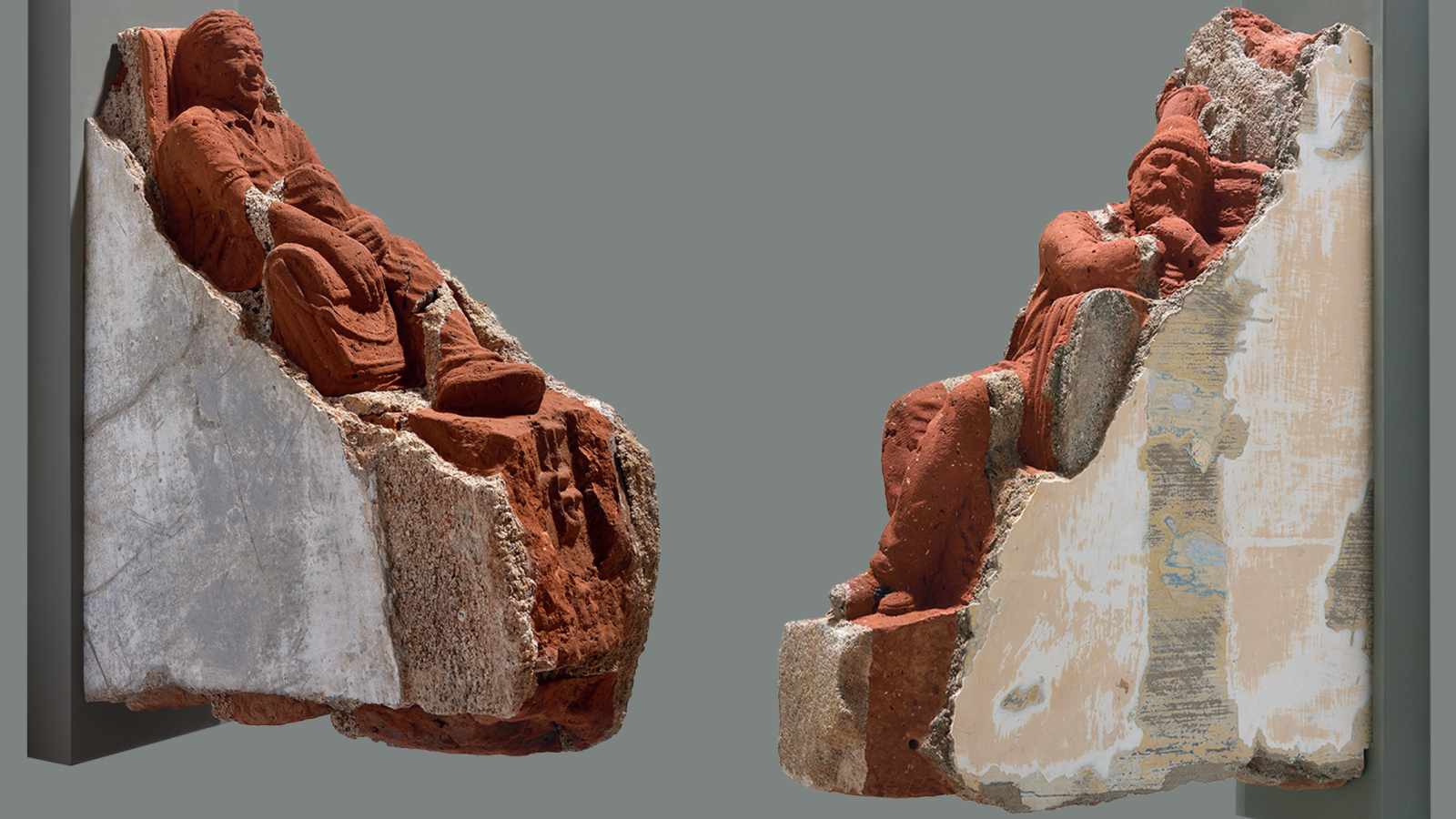
Artist Girjesh Kumar Singh transforms demolition debris into poignant sculptures, exploring the intersection of lost physical spaces and human identity. His work highlights how discarded fragments of homes serve as vessels for personal history and memory.
The Architecture of Absence: Art from Rubble
When a home is bulldozed, the physical structure is not the only casualty; the collapse of walls and doorways signifies the disintegration of a sanctuary that once felt unshakeable. For sculptor Girjesh Kumar Singh, these sites of destruction are not merely piles of waste, but archives of human experience. By repurposing brick, plaster, and cement from demolition sites, Singh creates works that interrogate what remains when a physical space vanishes.
The Intersection of Memory and Material
Singh, a 45-year-old sculptor based in Vadodara, views these raw materials as conduits for the stories of those who once inhabited the space. His artistic process is a meditative attempt to visualize the intangible—what people carry with them when they are forced to leave. The fragments serve as physical manifestations of identity and history, suggesting that while a structure can be razed, the psychological imprint of a home lingers within its remnants.
A Personal History of Displacement
This artistic focus is deeply rooted in Singh’s own biography. Long before he began collecting debris, the concept of home and the experience of leaving it were central to his life. His childhood was marked by a significant separation when, at age five, his mother sent him to live with an aunt due to concerns over his behavior. This early experience of detachment likely informed his later preoccupation with the fragility of domestic stability.
Implications of Urban Transformation
In a broader context, Singh’s work reflects the rapid urban transformation occurring in many parts of India. As cities evolve and older structures are cleared for new developments, the collective memory of communities is often erased alongside the architecture. By elevating rubble into sculpture, Singh forces a confrontation with the cost of progress, reminding viewers that every piece of cement contains a history that is easily overlooked in the rush of modernization.
Future Trends in Found-Object Art
Looking ahead, the use of industrial and demolition waste in fine art is likely to gain further traction as environmental consciousness grows. Singh’s practice exemplifies a shift toward 'archaeological art,' where the artist acts as a curator of the discarded. This trend suggests that future artistic narratives will increasingly rely on the debris of our past to construct critiques of our present, ensuring that the stories embedded in our built environment are not entirely lost to the bulldozer's blade.
Conclusion
Girjesh Kumar Singh’s sculptures offer a profound meditation on the impermanence of place. By transforming the debris of demolished homes into art, he bridges the gap between physical destruction and emotional continuity. His work serves as an essential reminder that while walls may crumble, the memories tied to those spaces are resilient, finding new life in the fragments that remain.