George A. Romero’s Season of the Witch is a slow-burn feminist occult drama
Source Entity
Terrence O’Brien
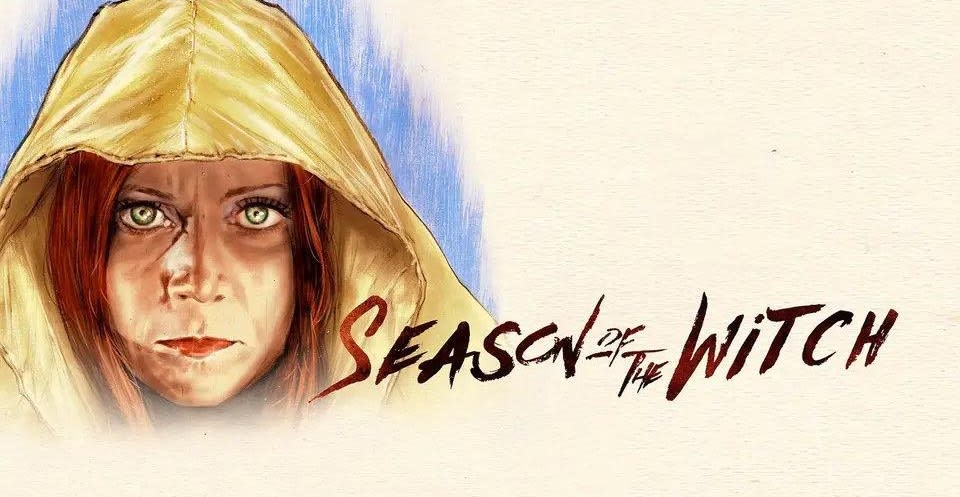
George A. Romero’s film 'Season of the Witch,' originally titled 'Hungry Wives,' is a misunderstood feminist occult drama that defies its initial exploitation-film marketing. Despite its failure as a softcore feature, the film remains a significant, albeit lesser-known, entry in Romero's diverse directorial portfolio.
The Hidden Depths of George A. Romero's Career
While George A. Romero is globally recognized as the architect of the modern zombie genre—having birthed the archetype with Night of the Living Dead and expanded it through his visceral outbreak horror The Crazies—his filmography contains deeper, often overlooked complexities. Among these are his lesser-discussed works produced during his early career, specifically There’s Always Vanilla and the occult-themed drama Season of the Witch.
The Misunderstood 'Hungry Wives'
Originally titled Hungry Wives, the 1972 film Season of the Witch serves as a fascinating case study in the disconnect between studio marketing and artistic intent. The production was initially commissioned and positioned as an exploitation film, with the studio attempting to market it to audiences looking for softcore erotica. However, the film failed to find its intended audience, largely because it lacked the sensationalist elements expected of the genre.
A Departure from Exploitation
The film's failure to succeed as softcore porn was inevitable given its actual content. Rather than relying on nudity or sexual spectacle, the movie is characterized by minimal nudity, a single sex scene, and an emphasis on dialogue-heavy, character-driven exploration. By prioritizing thematic depth over titillation, Romero inadvertently crafted a slow-burn feminist occult drama that sat uncomfortably within the exploitation market of the 1970s.
Feminist Undertones in the Occult
Beyond its production history, Season of the Witch functions as an early exploration of domestic malaise and female agency. By framing the narrative through an occult lens, Romero examined the societal pressures placed upon women during that era. The film’s focus on the psychological state of its female lead sets it apart from his later, more aggressive horror works, highlighting a versatility in his directorial style that is often ignored in favor of his zombie-centric legacy.
Legacy and Critical Re-evaluation
Today, the film is viewed less as a failed exploitation picture and more as a misunderstood cult classic. It represents a transitional period in Romero’s career, demonstrating his willingness to experiment with genre conventions before cementing his status as a horror icon. For film historians and enthusiasts, Season of the Witch remains a vital link in understanding the intellectual and stylistic evolution of one of cinema's most influential directors.