Artist sues AI meme generator for selling deeply personal comic as ad template
Source Entity
Ashley Belanger
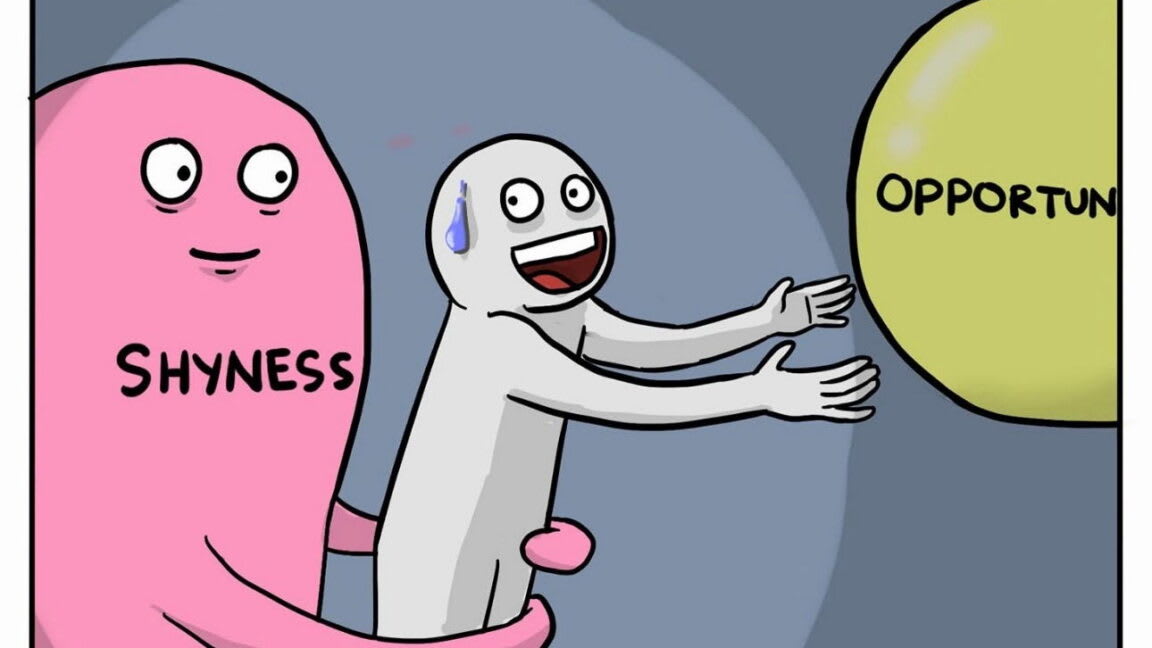
Artist Elmer Saflor is suing an AI meme generator for commercializing his copyrighted 'Running Away Balloon' comic as an ad template. The case highlights ongoing legal conflicts regarding AI platforms using protected intellectual property for profit.
The Legal Battle Over AI Meme Commercialization
The Intersection of Viral Content and Copyright Law
Artist Elmer Saflor, known professionally as “Superelmer,” has initiated a legal challenge against an AI meme generator for the unauthorized commercialization of his 2017 “Running Away Balloon” comic. While Saflor has historically embraced the widespread, non-commercial sharing of his work, the transition of his art into a monetized template within an AI ecosystem represents a significant departure from fair use expectations. This lawsuit underscores the growing friction between independent creators and automated platforms that leverage existing digital assets to scale their services.
Scaling Infringement: The AI Problem
At the heart of this dispute is the automated nature of modern meme generation platforms. By integrating copyrighted works into their template libraries, these AI generators are not merely facilitating user-generated content; they are actively commercializing protected intellectual property to scale their business operations. Experts suggest that these platforms may have overstepped legal boundaries by treating viral, publicly available content as a public domain utility, ignoring the underlying copyrights held by creators like Saflor.
Intellectual Property in the Age of Generative AI
This case highlights a broader, systemic issue in the tech industry: the training and deployment of AI models using unlicensed creative data. When platforms monetize these tools as ad templates, they create a commercial pipeline that relies on the appropriation of artists' labor. For creators like Saflor, the distinction between a fan sharing a comic on social media and a corporation selling that comic as a tool for advertising is the difference between cultural participation and copyright infringement.
Broader Implications for Digital Creators
If Saflor’s suit succeeds, it could set a critical precedent for how AI companies manage their template databases. The outcome will likely force developers to implement more robust vetting processes for the images used in their generative tools. It serves as a warning to tech companies that the popularity of a piece of art does not equate to a waiver of copyright, especially when that art is repurposed for profit-driven commercial environments.
Future Trends in Digital Enforcement
Looking ahead, we can expect a surge in litigation as creators seek to reclaim control over their digital footprints in the face of rapid AI automation. As platforms continue to leverage AI to generate content at scale, the legal burden of proof will shift toward ensuring that the source material for these generators is properly licensed. The “Superelmer” case serves as a bellwether for the future of digital asset management in an era where automation often outpaces legal and ethical considerations.
Conclusion
Elmer Saflor’s fight against the unauthorized commercialization of his “Running Away Balloon” comic is more than a single legal dispute; it is a fundamental challenge to the status quo of AI platform operations. By holding these generators accountable, artists are pushing for a future where technological innovation does not come at the expense of individual intellectual property rights.