Rs 6 lakh relief comes to 35-year-old after 6 yrs in jail, ‘slipshod’ probe, and now, an accident in Agra
Source Entity
Manish Sahu
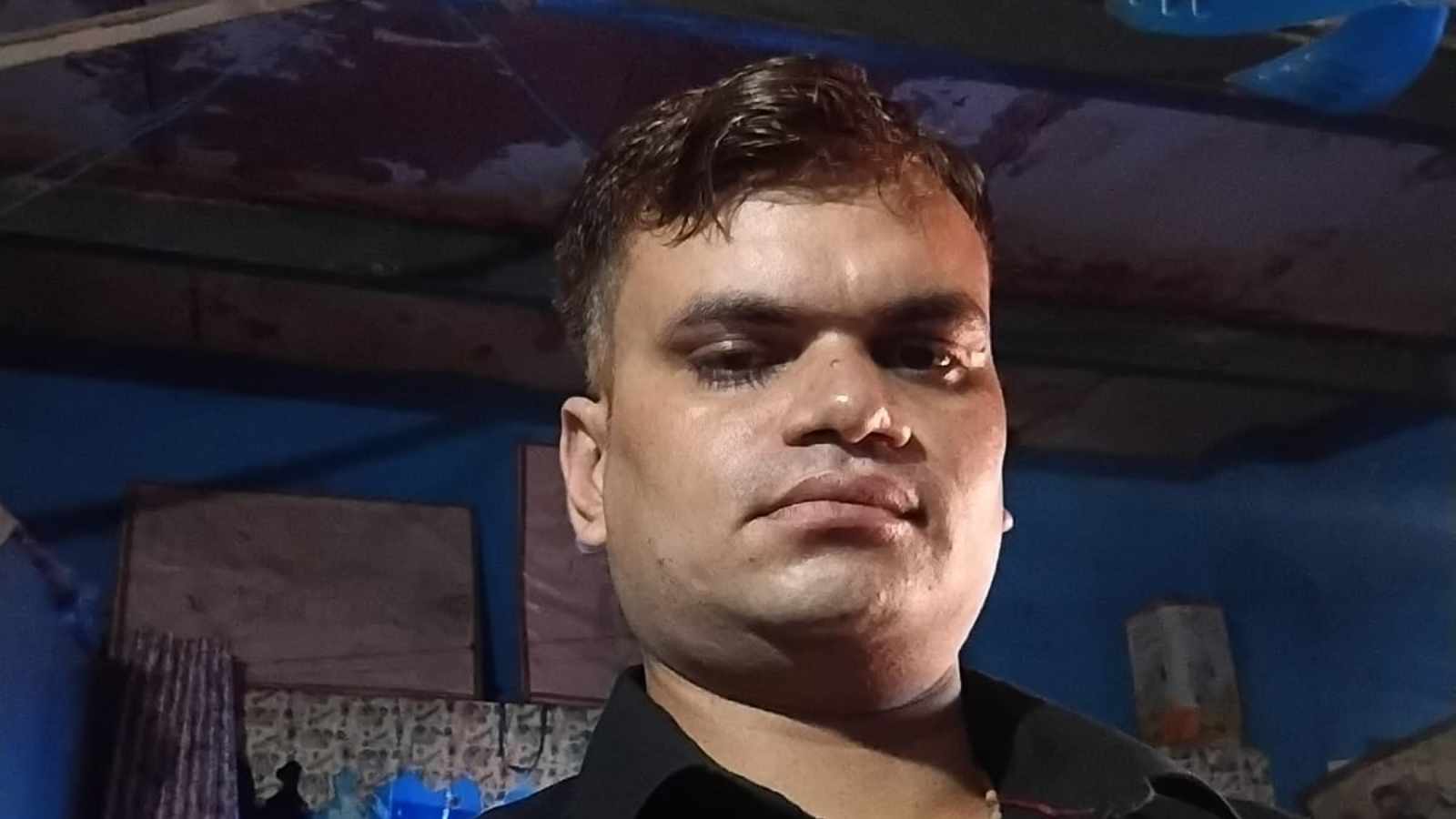
Arun Pratap Singh, a 35-year-old man wrongfully imprisoned for six years, has been awarded Rs 6 lakh in compensation by the Supreme Court. Despite this legal victory, his life remains precarious after a recent car accident left him bedridden shortly after securing his first post-release job.
A Tale of Judicial Injustice and Personal Hardship
The recent directive from the Supreme Court of India ordering the Uttar Pradesh government to pay Rs 6 lakh to 35-year-old Arun Pratap Singh highlights a harrowing narrative of systemic failure. Singh, who spent over six years behind bars for a crime he did not commit, is the latest face of the collateral damage caused by 'slipshod' investigative practices. His acquittal on June 6, 2024, by an Agra court, followed a grueling legal battle that ultimately exposed the prosecution's inability to establish a coherent chain of circumstantial evidence.
The Failure of the Investigative Process
Singh’s ordeal began on November 13, 2019, when he was arrested on grave charges of kidnapping, murdering, and burning the body of Dharmendra Tiwari. The prosecution's case was built on a series of assumptions that failed to hold up under judicial scrutiny. By the time the Agra court delivered its verdict, the damage to Singh’s life was already irreparable. The court's explicit mention of a 'slipshod' probe serves as a stinging indictment of the investigative standards applied in the case, suggesting a lack of forensic rigor that is far too common in criminal prosecutions.
Life After Acquittal: A Fragile Recovery
While the Supreme Court’s compensation order offers a modicum of financial relief, it does little to address the profound psychological and physical toll of six lost years. Singh’s situation took a tragic turn on October 10, when he was struck by a car in Agra. This accident occurred just one week after he had finally managed to secure employment, a milestone that represented his attempt at reintegration into society. Being rendered bedridden so soon after his release highlights the precarious existence of those who have been wrongfully incarcerated.
Broader Implications for Justice Reform
The case of Arun Pratap Singh raises critical questions regarding the accountability of law enforcement agencies in India. When an investigation is deemed 'slipshod' by the judiciary, there is often a lack of institutional follow-up to ensure that the officers responsible are held to account. Without systemic reforms that mandate high standards of evidence collection and professional oversight, the cycle of wrongful arrests and subsequent acquittals will likely persist, leaving innocent citizens to bear the burden of a broken system.
The Path Forward
Moving forward, the focus must shift toward more robust compensation frameworks and the rehabilitation of the wrongfully accused. Financial restitution is a necessary first step, but it must be accompanied by psychological support and vocational assistance to help survivors rebuild their lives. As Singh faces the long road to physical recovery, his story serves as a poignant reminder that justice delayed is often justice denied, and that the true cost of a wrongful conviction extends far beyond the prison walls.