5 Army Personnel Missing, 4 Labourers Feared Dead After Flash Flood, Landslide In Arunachal
Source Entity
NDTV News Search Records Found 1000
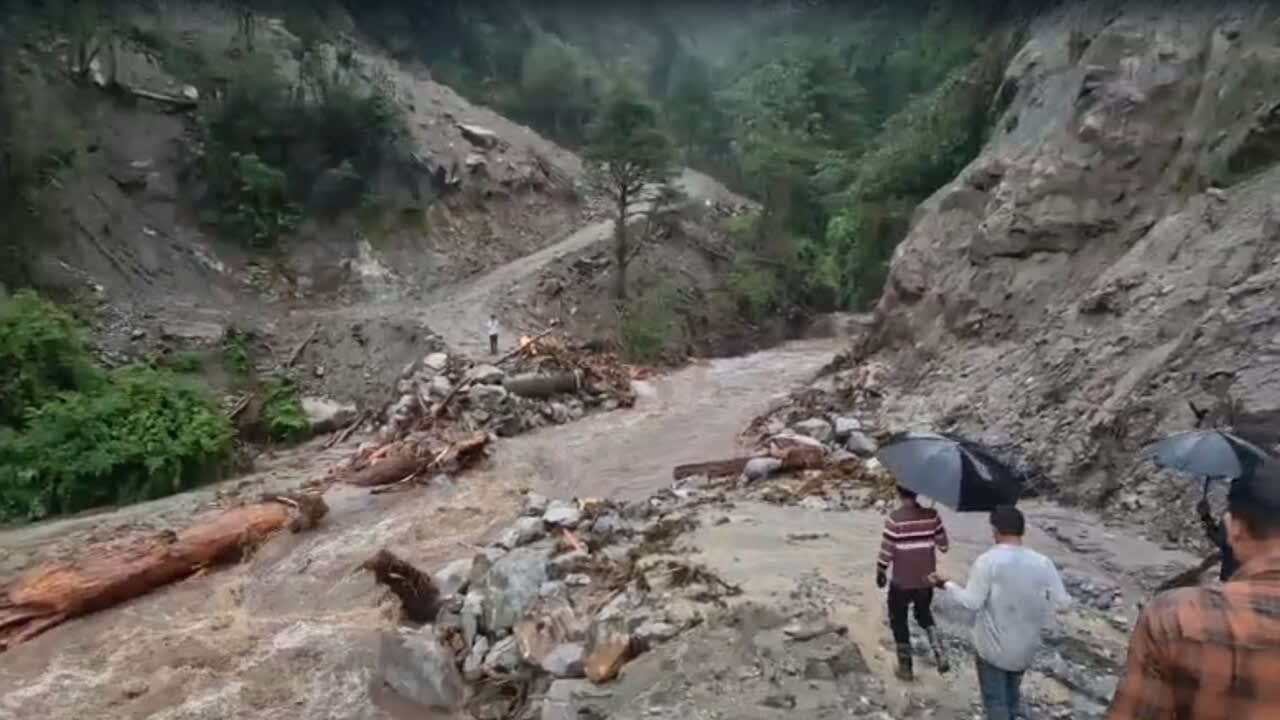
A series of devastating landslides and flash floods in Arunachal Pradesh have resulted in multiple fatalities and left several Army personnel missing. Disaster response teams are currently conducting search operations despite severe operational constraints caused by the weather.
Tragedy Strikes Arunachal Pradesh: A Crisis of Natural Calamity
Arunachal Pradesh is currently grappling with a severe humanitarian and logistical crisis as a relentless spell of heavy rainfall has triggered devastating flash floods and landslides. The disaster has claimed over 10 lives across the state, with the most recent incidents highlighting the extreme risks faced by workers and security personnel in the region’s rugged, mountainous terrain. The loss of life includes four labourers—Tadu Baki, Taji Rai, Markosh Basumatari, and Babul Ali—who were tragically buried under debris at a road-cutting site in the Upper Subansiri district.
The Human Toll and Search Operations
Beyond the confirmed fatalities, the situation remains fluid and grave. Five Indian Army personnel are reported missing following a flash flood incident in the Keyi Panyor area. The search and rescue operations, led by the National Disaster Response Force (NDRF) and local State Disaster Response Force (SDRF) teams, are battling significant environmental hurdles. The mountainous geography of Arunachal Pradesh, characterized by steep gradients and unstable soil, often complicates rescue efforts, as evidenced by the suspension of operations at the Upper Subansiri site due to operational constraints.
Infrastructure Vulnerability in Mountainous Terrain
The landslide at the Keojaring-Byaching PMGSY road-cutting site brings to light the inherent dangers of infrastructure development in high-altitude, seismically active zones. Road-cutting projects are essential for connectivity in remote areas, yet they frequently alter the stability of slopes, making them highly susceptible to saturation during extreme monsoon events. This intersection of necessary development and environmental volatility remains a recurring challenge for disaster management authorities in the Northeast.
A Broad Regional Crisis
These incidents are not isolated; the state has reported multiple accidents within a 36-hour window, including a separate road accident in the Anjaw district. With fatalities occurring in regions separated by over 650 kilometers, it is clear that the current weather pattern is having a widespread impact on Arunachal Pradesh’s infrastructure. The cumulative effect of these disasters is placing an immense strain on local district disaster management offices, which must coordinate rapid responses across vast, difficult-to-navigate landscapes.
Looking Ahead: Preparedness and Mitigation
The ongoing search for the missing Army personnel and recovery efforts for the deceased emphasize the critical need for advanced early-warning systems and enhanced disaster preparedness in the region. As climate patterns become increasingly unpredictable, the frequency of such extreme weather events is likely to persist. Future mitigation strategies will need to focus on rigorous geological surveys before road construction and the deployment of more robust, all-weather disaster response capabilities to ensure that rescue operations can continue even when environmental conditions deteriorate.
Multiple Citing Sources
Verification Required?