The Republic in 6 yards: How the Indian sari weaves a nation together
Source Entity
Suvir Saran
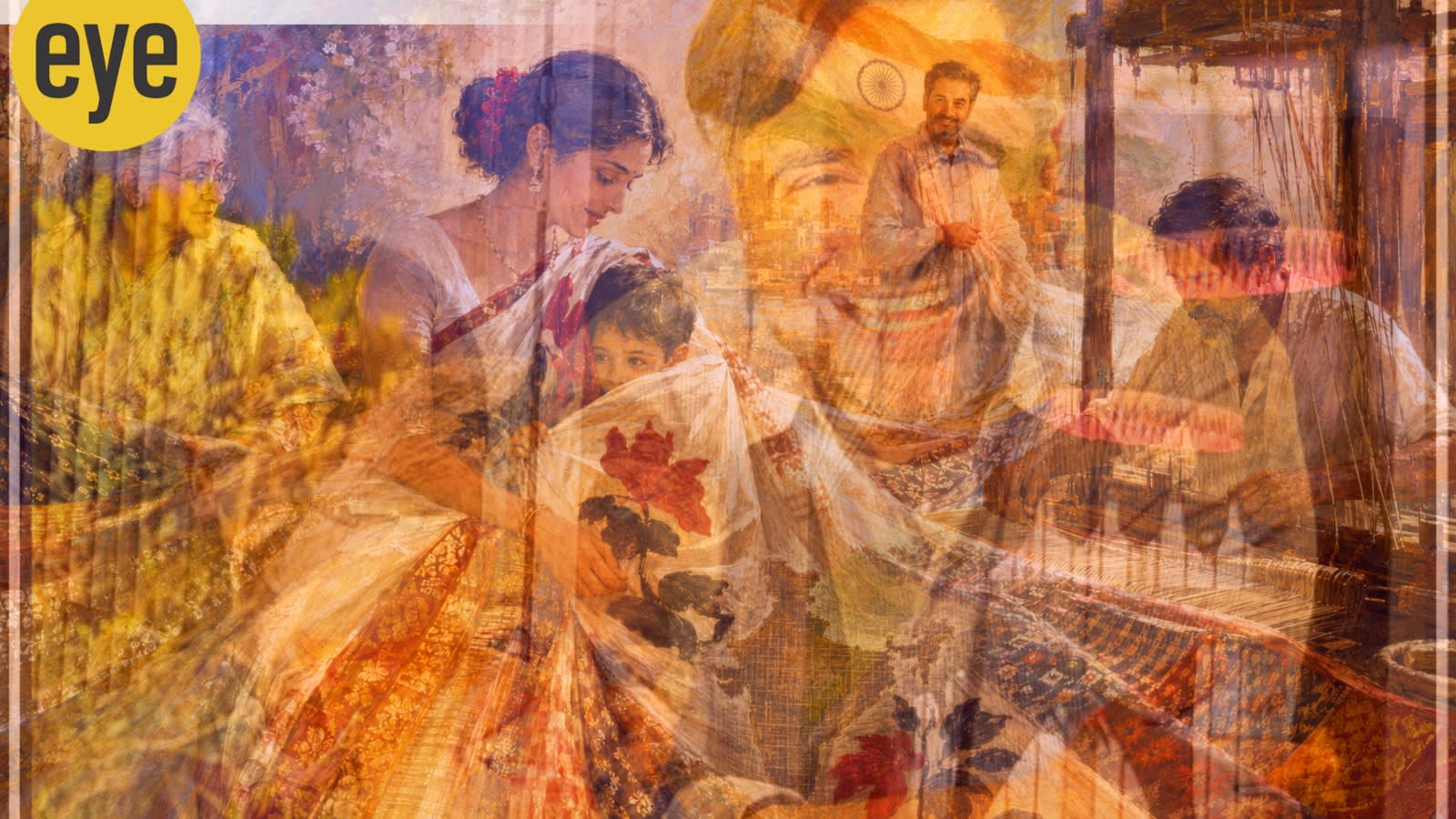
The Indian sari serves as a profound cultural and historical tapestry that connects individuals to the nation's diverse geography and heritage. Beyond mere attire, it represents a unique form of experiential education that transcends formal political or geographical learning.
The Sari as a Cultural Cartography
For many, the Indian sari is far more than a traditional garment; it is a profound vessel of national identity and historical memory. The assertion that one can understand the vast complexity of India through six yards of cloth suggests that the sari acts as a tangible map, guiding the wearer and the observer through the country's diverse landscapes. Long before formal education introduces students to constitutional frameworks or geopolitical boundaries, the tactile experience of regional textiles—such as the shimmering Maheshwari or the regal Banarasi—provides an intuitive grasp of India's regional identities.
Weaving Regional Identity into Daily Life
The cultural significance of the sari lies in its ability to encapsulate the essence of specific locales. When an individual recognizes the distinct weave of a Maheshwari or the ceremonial grandeur of a Banarasi, they are engaging with centuries of craftsmanship that defined trade routes and local economies. These garments serve as silent witnesses to the historical shifts of cities like Banaras, bridging the gap between ancient traditions and contemporary life. By wearing these fabrics, individuals carry the history of their origin, effectively turning the act of dressing into a form of cultural preservation.
Beyond the Classroom: Experiential Education
The narrative highlights a departure from traditional, classroom-based learning in favor of an experiential connection to heritage. The domestic sphere, specifically the family wardrobe, becomes a site of intense cultural transmission. The sensory details—the rustle of cotton, the fragrance of ironed silk—act as mnemonic devices that ground the individual in a shared national heritage. This informal education allows for a deeper, more personal connection to the 'geography' of India, where every fold represents a different climate, language, or tradition.
The Sari as a Symbol of National Unity
Despite the immense diversity inherent in the Indian subcontinent, the sari functions as a unifying thread. It is a common denominator that transcends linguistic and political divides, allowing for a collective identity that is expressed through the medium of textiles. By tracing the pleats of a sari, one effectively traces the history of the nation, making the garment a powerful symbol of unity in diversity. This connection is not merely aesthetic but deeply rooted in the social fabric of the Republic.
Implications for Future Cultural Preservation
As India continues to modernize, the role of the sari as a repository of historical and cultural knowledge becomes increasingly vital. The preservation of these traditional weaving techniques is essential to maintaining the link between the past and the present. By valuing these textiles not just as fashion but as historical artifacts, society ensures that the 'geography' found within cupboards remains a living, breathing part of the national identity, capable of educating future generations in the same intimate, profound manner.