Iran rebuffs Trump's claim over Strait of Hormuz amid report of another ship being struck
Source Entity
US Top News and Analysis
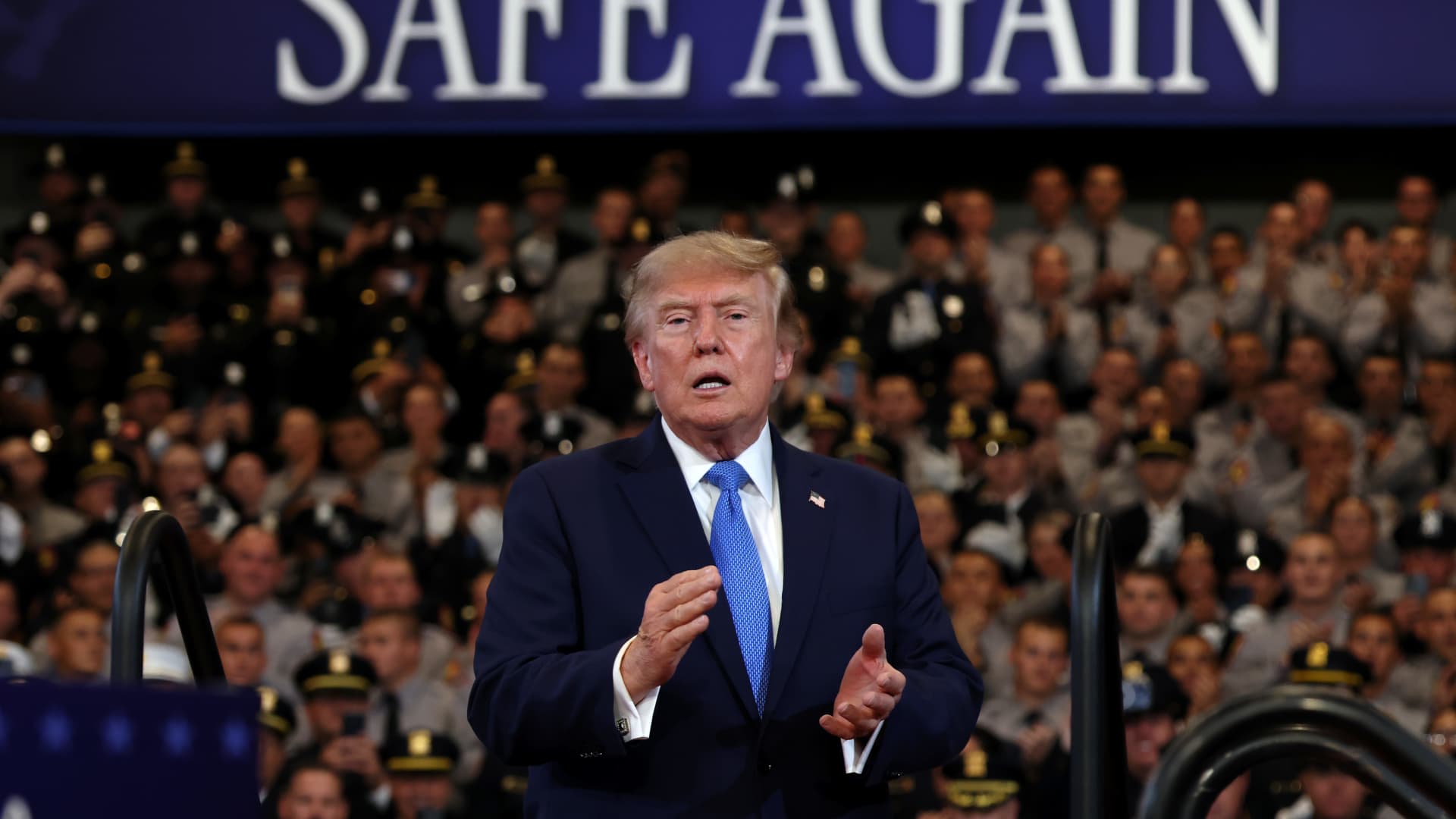
President Donald Trump has vowed to declare the Strait of Hormuz US territory following the ongoing conflict with Iran. The waterway, critical to global energy supplies, has been effectively closed since the outbreak of war on February 28.
The Geopolitical Stakes of the Strait of Hormuz
President Donald Trump’s recent declaration regarding the Strait of Hormuz marks a significant escalation in the ongoing conflict between the United States, Israel, and Iran. By stating that he intends to designate this critical maritime chokepoint as "United States territory" following the defeat of Iranian forces, the President has signaled a fundamental shift in how the U.S. approaches international maritime corridors. This rhetoric reflects a broader strategy of asserting total control over regions deemed vital to global energy security.
The Strategic Importance of the Maritime Chokepoint
The Strait of Hormuz is not merely a regional waterway; it serves as a global artery for energy, with approximately one-fifth of the world’s oil and natural gas transiting through its narrow passage. Since the commencement of the war on February 28, the effective closure of this strait has disrupted global trade flows. President Trump’s assertion of "total control" and his description of the naval presence as a "WALL OF STEEL" underscores the U.S. military’s current posture, which prioritizes the neutralization of Iranian influence over the waterway to secure energy supply chains.
Assessing the Legal and Political Implications
Declaring a vital international waterway as domestic territory is a move that challenges established norms of international law and maritime sovereignty. Such a declaration, should it be realized, would represent an unprecedented expansion of U.S. territorial claims into the Middle East. The administration’s confidence in the "total defeat" of Iranian forces suggests a long-term plan to maintain a permanent, unchallenged naval presence in the region, effectively transforming the strait into a protected U.S. maritime zone.
Iran’s Response and the Future of the Conflict
In response to the President’s remarks, Iranian officials, including Deputy Foreign Minister Kazem Gharibabadi, have dismissed the claims, suggesting that such geopolitical shifts cannot be dictated via social media or political rhetoric. This tension highlights the disconnect between the U.S. strategy of total domination and the reality of regional resistance. As the naval blockade continues, the international community remains concerned about the long-term impact on global energy prices and the potential for further escalation in the Persian Gulf.
Conclusion: A New Era of Maritime Control
The rhetoric surrounding the Strait of Hormuz signals a period of heightened instability. By framing the strait as a future U.S. territory, the administration is moving beyond traditional containment strategies toward a posture of direct control. As the war continues to unfold, the success of this strategy will depend on the ability of the U.S. to maintain its "WALL OF STEEL" while managing the complex geopolitical fallout that follows the permanent closure of such a critical global corridor.
Multiple Citing Sources