Taliban Marks 5 Years In Power In Afghanistan As Rights Groups Sound Alarm
Source Entity
NDTV News Search Records Found 1000
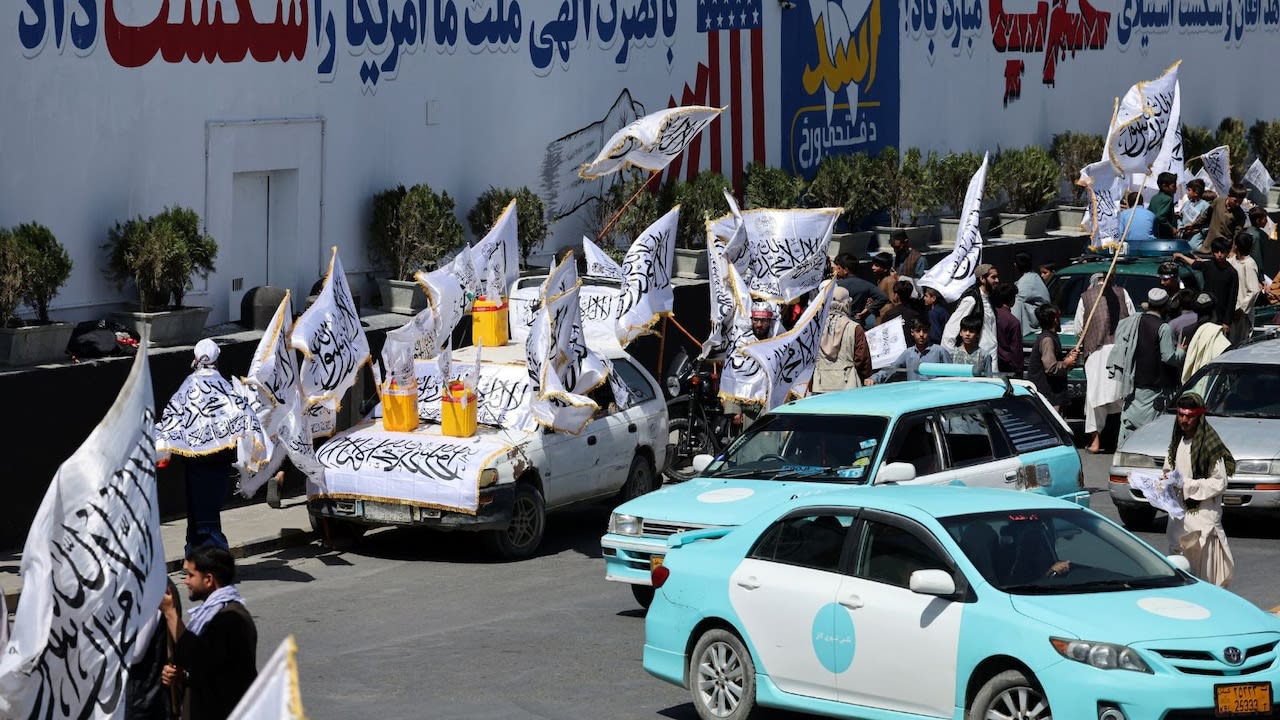
As the Taliban marks five years in power in Afghanistan, the nation faces a complex reality of relative security alongside severe restrictions on human rights. While the regime celebrates its 'Victory Day,' international observers remain deeply concerned over the ongoing exclusion of women and girls from public life.
Five Years of Taliban Rule: A Retrospective Analysis
August 15, 2026, marks a significant geopolitical milestone: the fifth anniversary of the Taliban’s return to power in Afghanistan. This date, which coincides with India’s 80th Independence Day, serves as a stark reminder of the rapid collapse of the Western-backed Afghan government in 2021. As the Taliban marks this period as its "Victory Day," with parades held near the former US embassy in Kabul, the international community continues to grapple with the long-term implications of this transition.
The Shift in Governance and Security
Following the withdrawal of US and coalition troops—who had been engaged in conflict for two decades—the Taliban’s swift entry into Kabul fundamentally altered the nation's governance. The current landscape is defined by a paradoxical state: while some observers note that streets may be perceived as safer due to the cessation of large-scale combat operations, this stability has come at a profound cost to individual liberties. The imagery of an Afghan boy purchasing a Taliban flag in Ghazni reflects the normalization of this new administration in public discourse.
The Human Rights Crisis
Perhaps the most pressing concern for the global community is the systemic exclusion of women and girls from the public sphere. Five years into their rule, the Taliban maintains strict prohibitions against women accessing education and formal employment. These restrictions represent a total reversal of the progress achieved over the preceding twenty years, effectively locking women and girls out of daily freedoms and essential social participation. This ongoing denial of rights remains a primary point of contention between the Taliban and the international community.
Historical Context and the 2021 Collapse
To understand the current state of Afghanistan, one must look back at the chaotic scenes at Hamid Karzai International Airport in August 2021, where thousands of Afghans sought to flee the country as the previous government crumbled. The rapid disintegration of the state apparatus within days of the coalition withdrawal highlighted the fragility of the political architecture built during the previous two decades. Today’s "Victory Day" celebrations stand in direct contrast to the desperation and uncertainty that defined the transition period.
Future Trends and Global Implications
Looking ahead, the Taliban’s hold on power appears consolidated, yet the regime remains isolated on the global stage due to its human rights record. The future of Afghanistan will likely depend on whether the regime can transition from a military movement to a sustainable governing entity that addresses the humanitarian and economic needs of its population. The international community, meanwhile, faces the challenge of engaging with a reality that fundamentally conflicts with established human rights norms, ensuring that the plight of the Afghan people—particularly women—remains at the forefront of diplomatic discourse.
Multiple Citing Sources
Verification Required?