Arunachal flash floods: Four killed, five Army personnel missing after landslide
Source Entity
TOI NEWS DESK
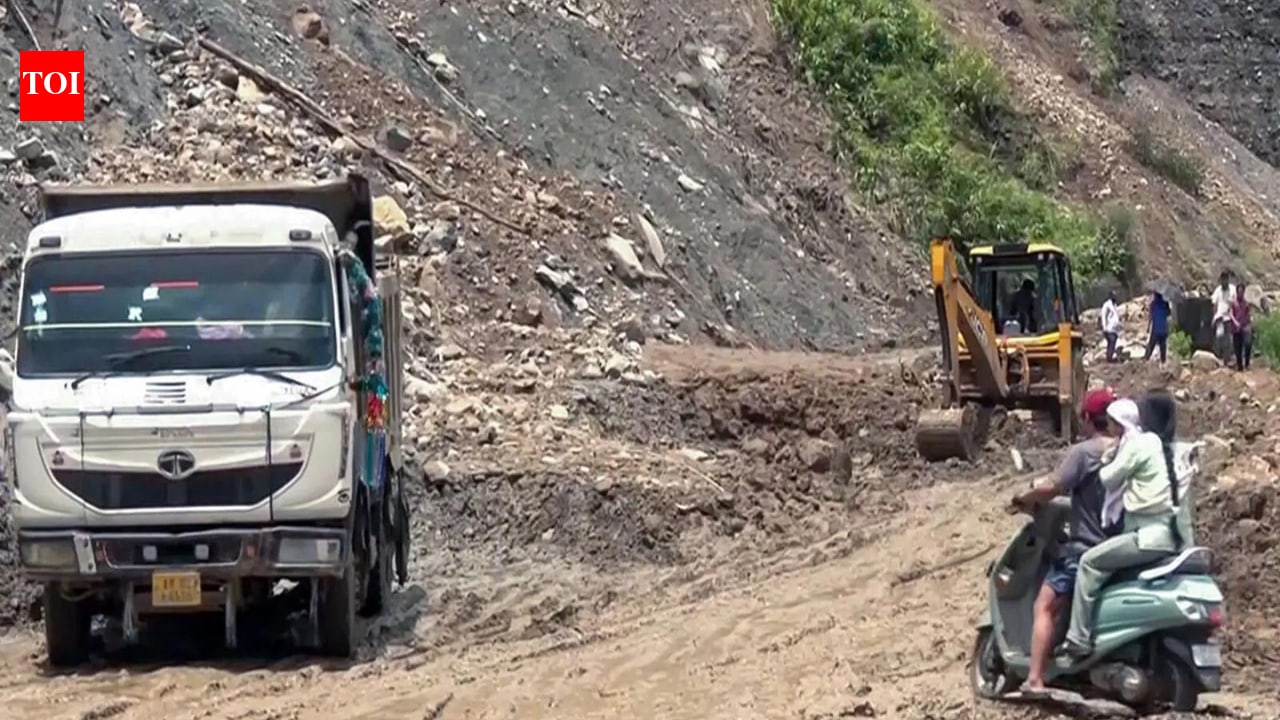
At least four people have died and five Indian Army personnel are missing following severe flash floods and landslides in Arunachal Pradesh. Rescue operations led by the NDRF are currently underway to locate the missing individuals.
Tragedy Strikes Arunachal Pradesh Amid Severe Weather
Arunachal Pradesh is currently grappling with a severe humanitarian crisis triggered by relentless rainfall, resulting in devastating flash floods and landslides across the region. Official reports confirm that a significant landslide at a road construction site in the Upper Subansiri district has claimed the lives of four individuals: Tadu Baki, Taji Rai, Markosh Basumatari, and Babul Ali. Simultaneously, the state emergency operations center has reported that five Indian Army personnel remain missing after their shelters were swept away by flash floods in the Dibang Valley district.
The Impact on Infrastructure and Personnel
The dual nature of these disasters—landslides in Upper Subansiri and flash floods in Dibang Valley—highlights the extreme vulnerability of infrastructure projects in high-altitude, monsoon-prone regions. The landslide specifically targeted the Keojaring-Byaching road construction site, a critical piece of infrastructure development. The destruction of Army shelters underscores the unpredictable and violent nature of water-induced soil instability, which poses a constant threat to both civilian workers and defense personnel stationed in these remote border areas.
Ongoing Search and Rescue Operations
The National Disaster Response Force (NDRF) has been deployed to lead the search and recovery efforts. These operations are inherently difficult due to the rugged, mountainous terrain and the ongoing instability of the soil following heavy rainfall. The rescue teams are working against time, as the search for the five missing Army personnel remains the primary focus. The logistical challenges of reaching the Keyi Panyor area and other affected sites further complicate the efforts of emergency responders.
Broader Implications of Climate Instability
The loss of over 10 lives across Arunachal Pradesh due to this recent spell of weather events points to a concerning trend of increasing climatic volatility in Northeast India. High-intensity rainfall events are becoming more frequent, leading to saturation of slopes that were previously considered stable. This shift necessitates a re-evaluation of engineering standards for road construction in the Himalayas, where the risk of landslides must be integrated into every phase of project planning and execution.
Future Trends and Resilience
Looking ahead, the state must balance essential infrastructure development with robust disaster mitigation strategies. The tragic loss of lives among both laborers and military personnel serves as a grim reminder of the high cost of development in geologically sensitive zones. Future resilience will depend on early warning systems, improved slope stabilization technologies, and more stringent safety protocols for workers situated in high-risk zones. The immediate priority remains the safe recovery of the missing, but the long-term goal must be the institutionalization of safer construction practices in the face of an changing climate.
Multiple Citing Sources