Sonam Wangchuk should be Education Minister, says Arvind Kejriwal at Delhi protest
Source Entity
The Indian Express
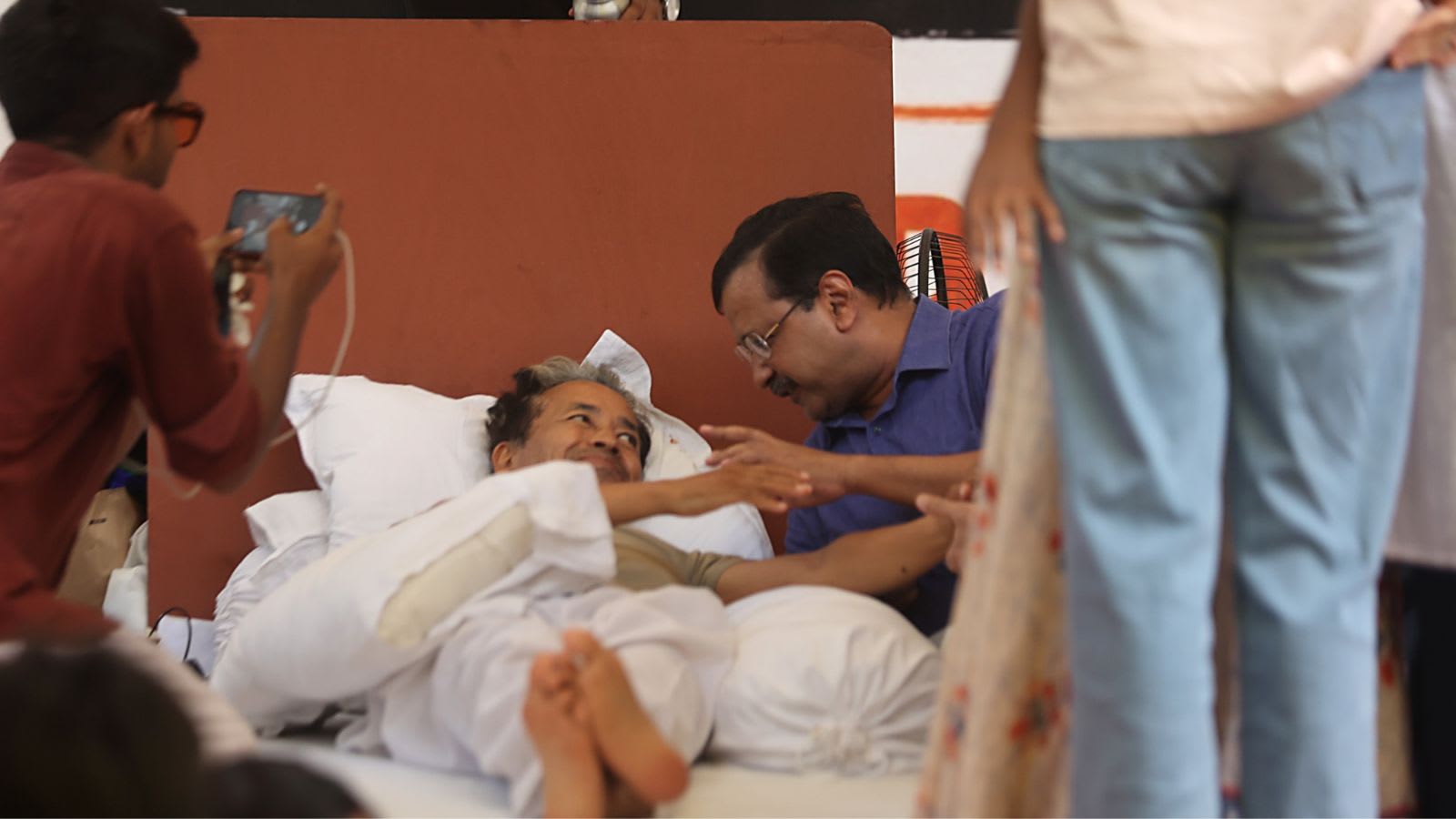
During a protest in Delhi, Arvind Kejriwal advocated for systemic reforms in the examination process and suggested that activist Sonam Wangchuk would be the ideal candidate for the role of Education Minister to ensure fairness and transparency.
Political Endorsement and the Call for Educational Reform
In a significant political gesture during a recent protest in Delhi, Arvind Kejriwal expressed his strong support for students demanding a complete overhaul of the national examination system. The highlight of his address was the bold suggestion that Sonam Wangchuk, a renowned educator and innovator from Ladakh, should serve as the Education Minister. This statement serves as both a critique of the current administration's handling of academic assessments and a call for a more transparent, student-centric approach to education in India.
The Catalyst: Student Unrest and Exam Integrity
The protest in Delhi, which drew young people from across the country, underscores a growing frustration with the existing examination infrastructure. For years, the Indian education system has been plagued by issues ranging from paper leaks to opaque grading processes and the immense psychological pressure of high-stakes competitive exams. By commending the youth for raising their voices, Kejriwal is tapping into a widespread sentiment that the current system prioritizes rote memorization and bureaucratic convenience over actual learning and meritocracy. The demand for a 'fair and transparent' system is not merely a request for better logistics, but a demand for systemic accountability.
The Symbolism of Sonam Wangchuk
Kejriwal's specific mention of Sonam Wangchuk is deeply strategic and symbolic. Wangchuk is widely respected not just for his environmental activism, but for his pioneering work in reforming education in the remote regions of Ladakh. His approach to learning—emphasizing practical application, critical thinking, and autonomy—stands in stark contrast to the rigid, centralized examination models currently in place. By proposing Wangchuk for the role of Education Minister, Kejriwal is suggesting that the solution to India's educational crisis lies in shifting away from traditional bureaucracy toward innovation and pedagogical reform.
Political Implications and Strategic Alignment
From a political perspective, this move allows Kejriwal to align himself with the youth demographic, a critical voting bloc in any Indian election. By positioning himself as an ally to students and an admirer of a non-partisan figure like Wangchuk, he frames his political agenda as one focused on empowerment and integrity. This narrative challenges the incumbent educational policies and positions the demand for reform as a moral imperative rather than a purely political one. It suggests a vision where expertise and innovation take precedence over political loyalty in the appointment of key ministerial roles.
Broader Implications for the Indian Education System
The discourse sparked by this protest and Kejriwal's subsequent comments highlights a critical juncture for Indian academia. The recurring failures of examination boards have led to a crisis of confidence among students and parents. If these demands for transparency are not met, there is a risk of further alienation of the youth and a continued decline in the perceived value of standardized testing. The call for a figure like Wangchuk suggests that the public is yearning for a 'disruptor'—someone who can dismantle outdated structures and implement a system that values holistic development over standardized scores.
Future Trends: The Rise of Education as a Political Pivot
Looking forward, it is likely that education reform will become a central pillar of political campaigning in the coming cycles. As the digital divide narrows and students become more aware of global educational standards, the pressure on the government to modernize the examination system will only increase. We can expect to see more movements demanding the integration of alternative assessment methods and a move toward decentralized education management. The synergy between grassroots student activism and political endorsement, as seen in this Delhi protest, may set a precedent for how policy changes are demanded and achieved in the future.
Conclusion
Arvind Kejriwal's endorsement of Sonam Wangchuk amidst a student-led protest is more than a passing comment; it is a pointed critique of the status quo. By linking the struggle for exam transparency with the visionary leadership of Wangchuk, the event highlights a desperate need for a paradigm shift in how India educates and evaluates its youth. Whether this leads to immediate policy change remains to be seen, but it has successfully elevated the conversation regarding educational integrity to the national political stage.