Sen. Warren says Trump's CFPB overhaul has cost Americans $26.5 billion
Source Entity
US Top News and Analysis
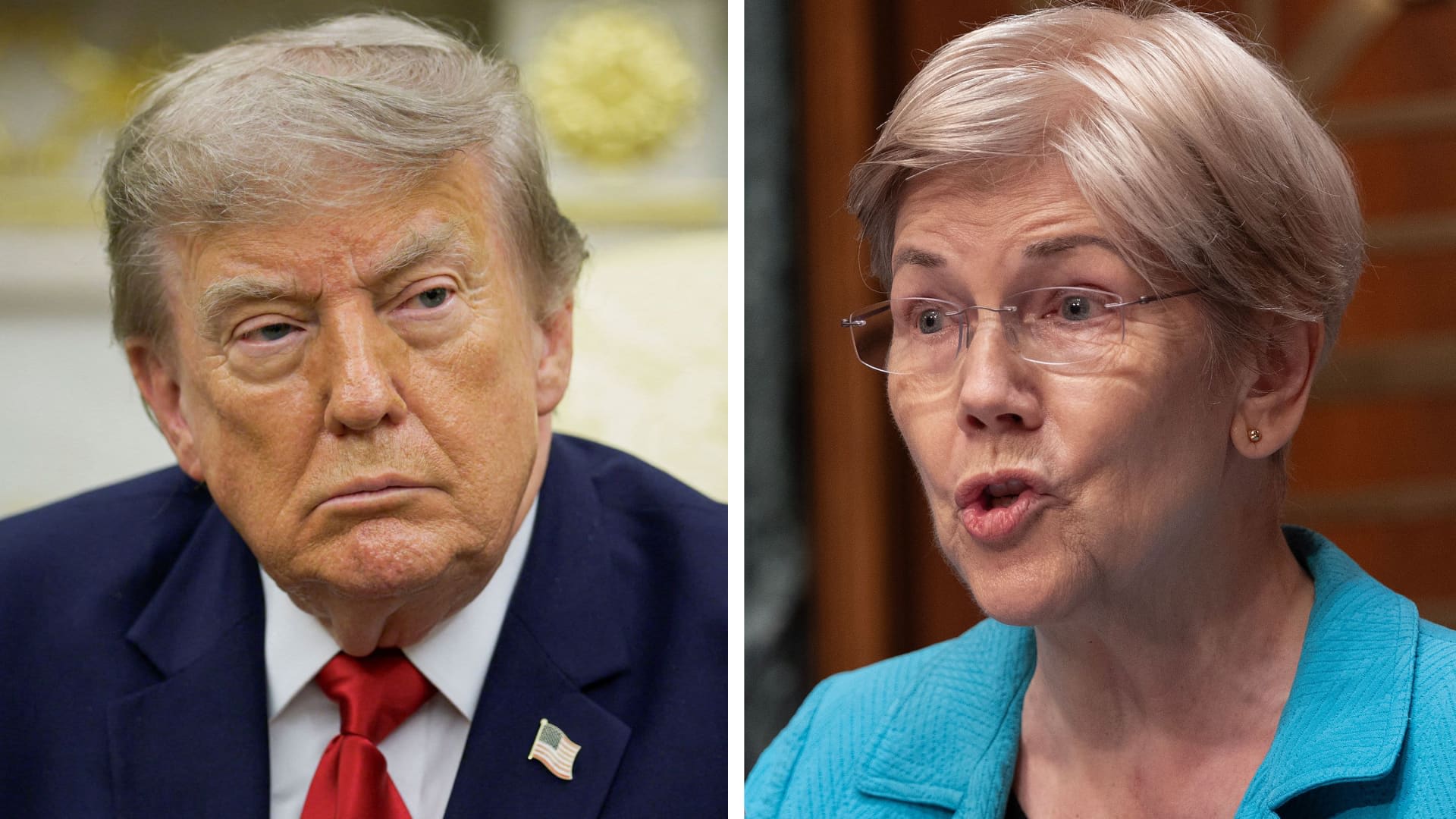
Senator Elizabeth Warren asserts that the Trump administration's efforts to dismantle and deregulate the Consumer Financial Protection Bureau (CFPB) have resulted in financial losses totaling $26.5 billion for American consumers.
Analysis of Senator Warren's Claims on CFPB Deregulation
Senator Elizabeth Warren has raised significant alarms regarding the financial impact of the Trump administration's approach to the Consumer Financial Protection Bureau (CFPB), claiming that the systematic rollback of rules and enforcement actions has cost American consumers approximately $26.5 billion. This claim highlights a fundamental ideological clash between the philosophy of aggressive consumer protection and the drive toward deregulation aimed at stimulating financial sector growth. To understand the gravity of this figure, one must first understand the role of the CFPB as a watchdog designed to prevent the kind of predatory lending and systemic failure that precipitated the 2008 financial crisis.
The Mechanism of Regulatory Rollback
The "overhaul" mentioned by Senator Warren refers to a shift in the CFPB's operational priorities during the Trump administration. Under a more industry-friendly leadership, the bureau shifted away from the aggressive litigation and strict rule-making that characterized its early years. By reducing the frequency of enforcement actions and narrowing the scope of what constituted "unfair, deceptive, or abusive acts or practices" (UDAAP), the administration effectively lowered the risk for financial institutions. This deregulation allowed banks and non-bank lenders more flexibility in how they structured loans and fees, but according to Warren, it simultaneously stripped away the safeguards that prevent consumers from being exploited by hidden costs and predatory terms.
Quantifying the Consumer Cost
The $26.5 billion figure is a staggering estimate that reflects the cumulative loss experienced by citizens through a variety of channels. These costs likely encompass unpaid refunds that would have been recovered through enforcement actions, the imposition of illegal fees that went unchecked, and the long-term financial damage caused by predatory loan products that were allowed to proliferate. When a regulatory body ceases to actively police the market, the "cost of doing business" for financial institutions often shifts to the consumer. In this context, the $26.5 billion represents a transfer of wealth from the average American household to the balance sheets of large financial entities.
Historical Context: From 2008 to the Present
To fully appreciate this conflict, one must look back to the Dodd-Frank Wall Street Reform and Consumer Protection Act of 2010. The CFPB was a brainchild of Senator Warren, specifically designed to be an independent agency that could resist political and industry pressure. Its creation was a direct response to the systemic failures of the subprime mortgage market, where a lack of transparency and oversight led to millions of foreclosures. The Trump administration's efforts to weaken the CFPB can be seen as an attempt to reverse the post-2008 regulatory regime, arguing that excessive oversight stifled credit availability and hampered economic expansion.
The Ideological Divide: Growth vs. Protection
This dispute underscores a perennial debate in American economic policy: the trade-off between market efficiency and consumer safety. Proponents of the Trump administration's policies argue that reducing the "regulatory burden" encourages banks to lend more freely, thereby fueling entrepreneurship and homeownership. Conversely, Senator Warren argues that "efficiency" achieved through the removal of protections is a fallacy if it results in billions of dollars in losses for the vulnerable. This tension suggests that the CFPB's effectiveness is often tied to the political leaning of the executive branch, creating a volatile regulatory environment for both consumers and businesses.
Future Trends and Regulatory Pendulums
Looking forward, this event signals the continued "regulatory pendulum" effect in Washington. As administrations change, the CFPB is likely to swing between periods of intense enforcement and periods of deregulation. The $26.5 billion claim serves as a political and legal baseline for future Democratic administrations to justify a return to stringent oversight. We can expect future trends to involve more targeted regulations on "junk fees" and a renewed focus on algorithmic bias in lending, as the bureau seeks to recover the ground lost during the previous overhaul.
Conclusion
In summary, Senator Warren's assertion that the Trump administration's CFPB overhaul cost Americans $26.5 billion is more than just a financial critique; it is a critique of a governance model that prioritizes deregulation over consumer safeguards. By linking specific dollar amounts to policy changes, Warren frames the debate not as a theoretical disagreement over economics, but as a tangible loss of wealth for the American public. The ongoing struggle over the CFPB's mandate will continue to be a central theme in the intersection of U.S. politics and financial regulation.