UK aid cuts ‘reduce bilateral support to some African countries by 90%’
Source Entity
Heather Stewart
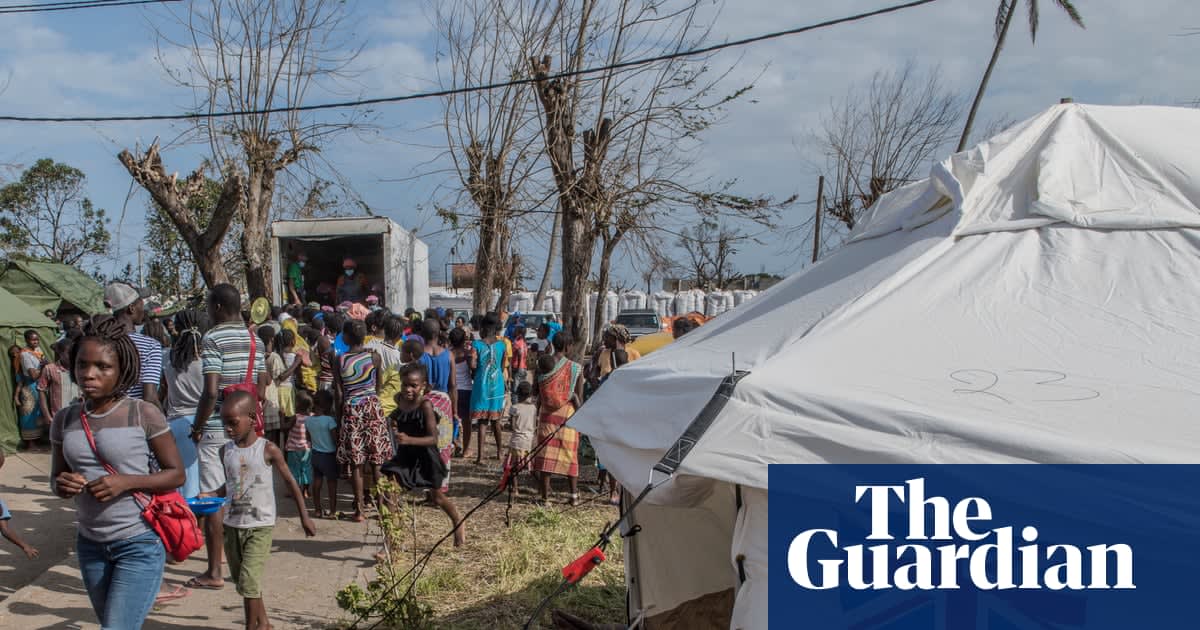
New Foreign Office figures reveal that the Labour government's aid budget reductions will slash bilateral support to some African countries by as much as 90% over the next three years, triggering concerns about the UK's international influence and humanitarian commitments.
The Erosion of Influence: Analyzing the UK's Drastic Aid Reductions
Recent figures released by the Foreign Office have sent shockwaves through the international development community, revealing that the Labour government's revised aid strategy will result in bilateral support cuts of up to 90% for certain African nations. This revelation, embedded in the department's annual report, provides a stark three-year roadmap of diminishing financial commitments. The scale of these cuts suggests a fundamental pivot in how the United Kingdom perceives its obligations and its strategic interests within the African continent, moving away from the broad-based support mechanisms that defined previous decades of British diplomacy.
The Strategic Impact of Bilateral vs. Multilateral Aid
To understand the gravity of a 90% reduction, it is essential to distinguish between bilateral and multilateral aid. While multilateral aid is funneled through international organizations like the UN or the World Bank, bilateral aid is a direct government-to-government transfer. This direct channel is often the primary tool for diplomatic leverage, allowing the UK to tie funding to specific governance reforms, human rights benchmarks, or strategic partnerships. By slashing bilateral support so aggressively, the UK is not merely reducing spending; it is effectively dismantling the direct levers of influence it has used to shape policy and maintain stability in key African regions.
Geopolitical Vacuum and the 'Global Message'
Critics argue that these cuts send a damaging 'global message' regarding the UK's desired role on the international stage. In a multipolar world, foreign aid is rarely just about philanthropy; it is a tool of soft power. As the UK retreats from its traditional role as a primary donor, it creates a geopolitical vacuum that is likely to be filled by other global powers, most notably China through its Belt and Road Initiative. When bilateral support drops by 90%, recipient nations are forced to seek alternative partners for infrastructure, healthcare, and security, potentially shifting their political alignments away from Western democratic norms and toward more transactional authoritarian models.
Humanitarian and Socio-Economic Consequences
Beyond the geopolitical maneuvering, the human cost of these reductions cannot be overlooked. Bilateral aid frequently funds critical, localized projects—such as vaccination drives, clean water initiatives, and primary education—that multilateral grants may not reach with the same agility. A near-total withdrawal of support over three years could lead to the collapse of essential services in the most vulnerable regions. This creates a paradoxical risk for the UK: while the cuts may satisfy short-term domestic fiscal goals, the resulting instability, economic hardship, and potential increase in migration from destabilized regions could eventually impose a higher cost on the British state.
Historical Context and the Shift in Policy
This move represents a continuation and intensification of a trend toward 'aid nationalism' seen in recent years. Historically, the UK sought to maintain a leadership role in global development, often championing the 0.7% GNI (Gross National Income) target for overseas aid. The current trajectory indicates a decisive break from this tradition. The Labour government appears to be prioritizing domestic economic consolidation over the maintenance of a global humanitarian footprint, signaling a transition toward a more insular or 'selective' foreign policy that favors immediate national interest over long-term global stability.
Conclusion: A New Era of British Internationalism
In summary, the Foreign Office's disclosure of 90% cuts to bilateral aid for some African countries marks a watershed moment in UK foreign policy. By prioritizing budget reductions over strategic bilateral partnerships, the UK risks alienating key allies and diminishing its standing as a global leader in development. The long-term trend suggests a UK that is more cautious and less invested in the Global South, a shift that may provide temporary fiscal relief but could lead to a permanent loss of diplomatic capital and a diminished capacity to address global challenges collaboratively.