Govt. lists five Bills for Monsoon Session, no mention of delimitation legislation
Source Entity
India Latest News: Top National Headlines Today & Breaking News | The Hindu
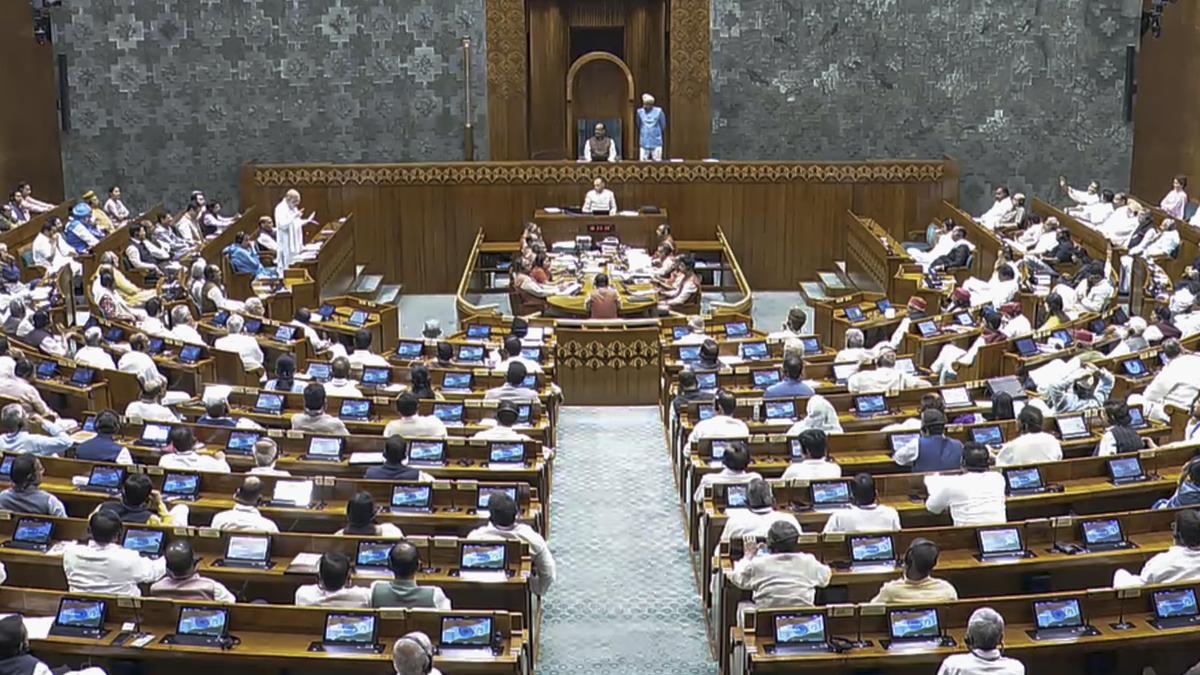
The Indian government has announced five bills for the upcoming Monsoon Session, featuring a key amendment to the Prevention of Insults to National Honour Act to make the intentional insult or disruption of 'Vande Mataram' a punishable offense, while notably omitting any mention of delimitation legislation.
Analysis of the Government's Legislative Agenda for the Monsoon Session
The announcement of the five bills slated for the upcoming Monsoon Session reveals a strategic prioritization of national identity and symbolic legislation over complex administrative restructuring. The most prominent inclusion is the Prevention of Insults to National Honour (Amendment) Bill, which seeks to extend legal protections to 'Vande Mataram,' India's National Song. By proposing that the intentional insult of, or disruption during, the singing of this song become a punishable offense, the government is signaling a move to further codify the reverence accorded to national symbols within the legal framework of the state.
Strengthening the Legal Status of National Symbols
Historically, the Prevention of Insults to National Honour Act, 1971 was designed to prevent the desecration of the Indian National Flag and the National Anthem. By extending these protections to Vande Mataram, the government is effectively elevating the National Song to a status of legal parity with the National Anthem in terms of the consequences for its disrespect. This move is deeply rooted in the historical context of the Indian independence movement, where Vande Mataram served as a powerful rallying cry. However, the legislative move also invites scrutiny regarding the legal definition of "intentional insult" and how such disruptions will be interpreted by law enforcement and the judiciary.
The Strategic Absence of Delimitation Legislation
Equally significant is what is not on the list: delimitation legislation. Delimitation is the process of redrawing boundaries of Lok Sabha and State Assembly seats to reflect population changes. This is one of the most politically sensitive issues in Indian governance, as it often leads to a shift in political power between northern and southern states—the former having seen higher population growth. The omission of this legislation suggests that the government is either not yet ready to tackle the inevitable political volatility it would trigger or is strategically delaying the conversation to avoid inter-state friction during the current session.
Broader Political and Social Implications
From a political standpoint, the focus on the National Honour Bill allows the government to lean into a narrative of nationalism and cultural pride. This is a common strategy used to consolidate support and define the ideological boundaries of the state. However, this may lead to intense debates within the Parliament regarding the balance between national pride and the fundamental right to freedom of expression. Opponents are likely to argue that criminalizing the disruption of a song could be misused to stifle dissent or target specific groups, creating a tension between statutory law and constitutional liberties.
Future Trends and Legislative Trajectory
Looking ahead, the Monsoon Session is likely to be characterized by heated exchanges over the definition of "insult" and the potential for overreach by state authorities. If the Prevention of Insults to National Honour (Amendment) Bill passes, it will set a precedent for how the state manages symbolic speech. Meanwhile, the absence of delimitation legislation creates a looming shadow over future electoral cycles; the longer the government delays this process, the greater the discrepancy between population size and parliamentary representation becomes, which may eventually lead to a constitutional crisis or a mandatory, disruptive overhaul.
Conclusion
In summary, the government's legislative slate for the Monsoon Session reflects a preference for identity-driven lawmaking over administrative reform. While the protection of Vande Mataram reinforces a specific vision of national unity and honor, the avoidance of the delimitation issue highlights the precarious nature of India's internal political geography. The session will likely serve as a litmus test for the government's ability to pass ideological legislation while managing the simmering tensions associated with representation and civil rights.
Verification Required?