Trump administration to cap F, J and I US visas, tighten rules for students, journalists
Source Entity
The Indian Express
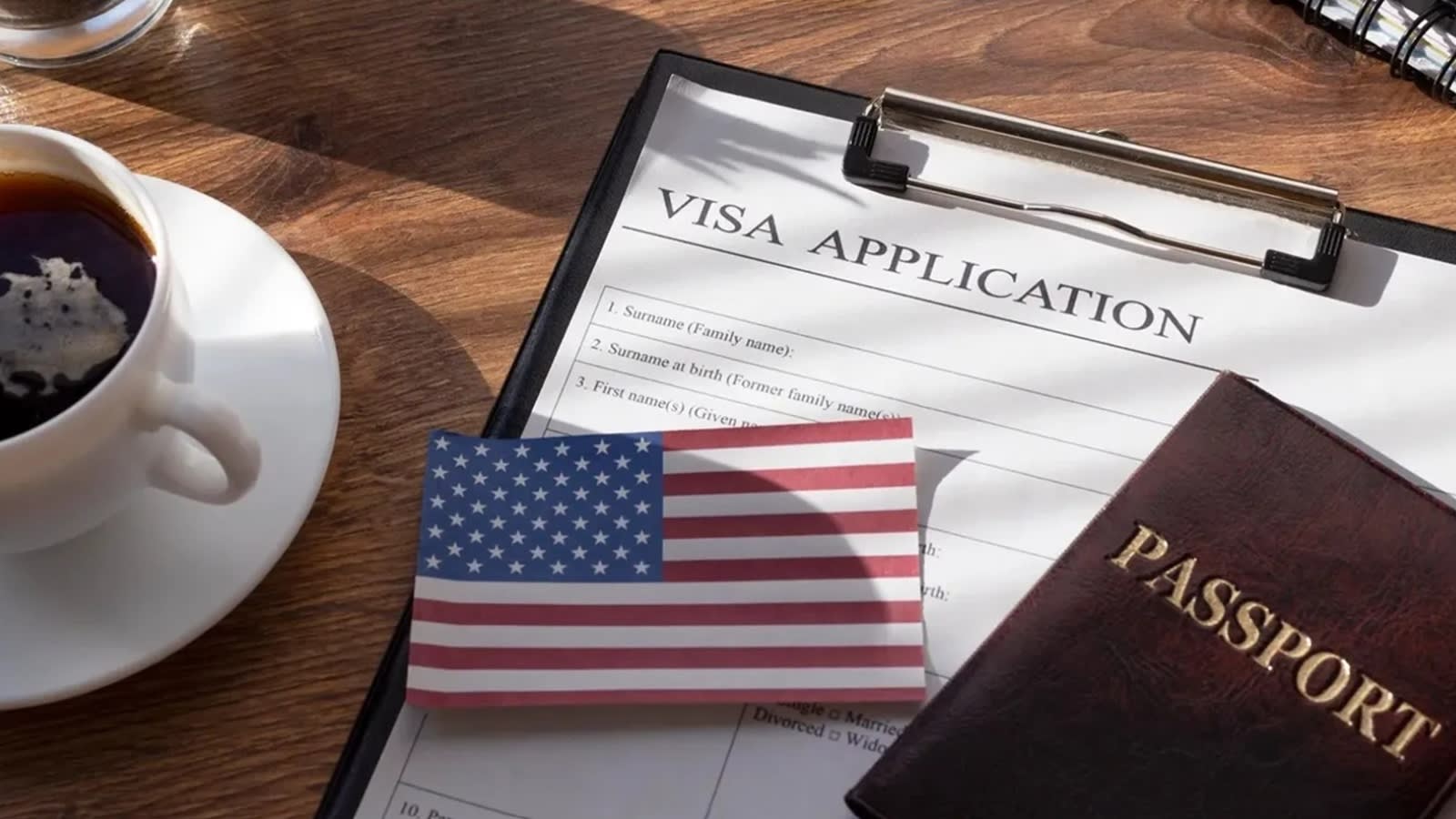
The Trump administration has announced plans to tighten visa regulations for international students, foreign journalists, and cultural exchange visitors by replacing open-ended durations with fixed-term caps for F, J, and I visas.
Analysis of New US Visa Restrictions for Students, Journalists, and Exchange Visitors
The Trump administration's decision to implement caps and fixed-term limits on F, J, and I visas marks a significant pivot in US immigration policy. By transitioning from an open-ended duration of stay—where visas were often granted for the entirety of a program's duration—to a more rigid, fixed-term system, the administration is prioritizing stricter oversight and national security over the traditional flexibility that has historically attracted global talent to the United States. This move signals a broader shift toward a more restrictive immigration framework designed to reduce the risk of visa overstays and tighten the monitoring of foreign nationals.
Impact on International Education and the F Visa
The introduction of fixed terms for F visas, primarily used by international students, could create substantial uncertainty for those pursuing long-term academic goals. Historically, the US has been the top destination for global students due to the stability of its academic visa system. By imposing caps or fixed limits, the administration may inadvertently discourage students from enrolling in long-term programs, such as PhDs or medical residencies, where the timeline to completion is often unpredictable. This could lead to a 'chilling effect,' where high-skilled individuals from countries like India and China seek education in competing hubs such as Canada, the UK, or Australia, potentially eroding the US's competitive edge in global research and innovation.
Constraints on Press Freedom and the I Visa
tightening the rules for I visas, which are designated for foreign journalists and media representatives, carries heavy implications for the freedom of the press. Journalists often require flexible durations of stay to cover evolving political stories or long-term investigative projects. Transitioning to a fixed-term system allows the government greater leverage to scrutinize and potentially deny renewals based on the nature of the journalist's reporting. This move has been viewed by critics as a method of exerting pressure on foreign media outlets, potentially limiting the diversity of international perspectives reporting from within the US and creating a more controlled media environment.
Erosion of Soft Power via J Visa Restrictions
The J visa, used for cultural and educational exchange visitors, is a cornerstone of US 'soft power.' These programs are designed to foster mutual understanding and build diplomatic bridges between the US and the rest of the world. By restricting these visas, the administration risks alienating future global leaders and scholars who would have otherwise developed a positive affinity for American values and systems. The transition to a fixed-term model may discourage the very types of spontaneous and long-term cultural exchanges that have historically served US diplomatic interests, effectively narrowing the window of international collaboration.
The 'America First' Ideological Framework
These policy changes are not isolated incidents but are deeply rooted in the 'America First' ideology. The administration's focus is on maximizing national security and ensuring that the US immigration system is not exploited. From this perspective, open-ended visas are viewed as loopholes that allow foreign nationals to remain in the country indefinitely without sufficient re-evaluation of their status. By implementing fixed terms, the administration aims to create a mandatory 'check-in' mechanism, ensuring that every visitor's presence remains justified under current security and economic criteria.
Conclusion and Future Outlook
In summary, while the move to cap F, J, and I visas is framed as a necessary step for national security and administrative efficiency, the long-term consequences may be complex. The US risks a decline in its status as a global magnet for intellect and creativity if the process of staying in the country becomes too precarious. Moving forward, we can expect increased legal challenges from universities and media organizations, as well as a potential shift in global migration patterns. The ultimate success of these measures will depend on whether the administration can balance its security goals without stifling the openness that has historically driven American economic and cultural dynamism.