80 chefs from 25 nations, 120 items on menu: Inside the Asian Games kitchen
Source Entity
Mihir Vasavda
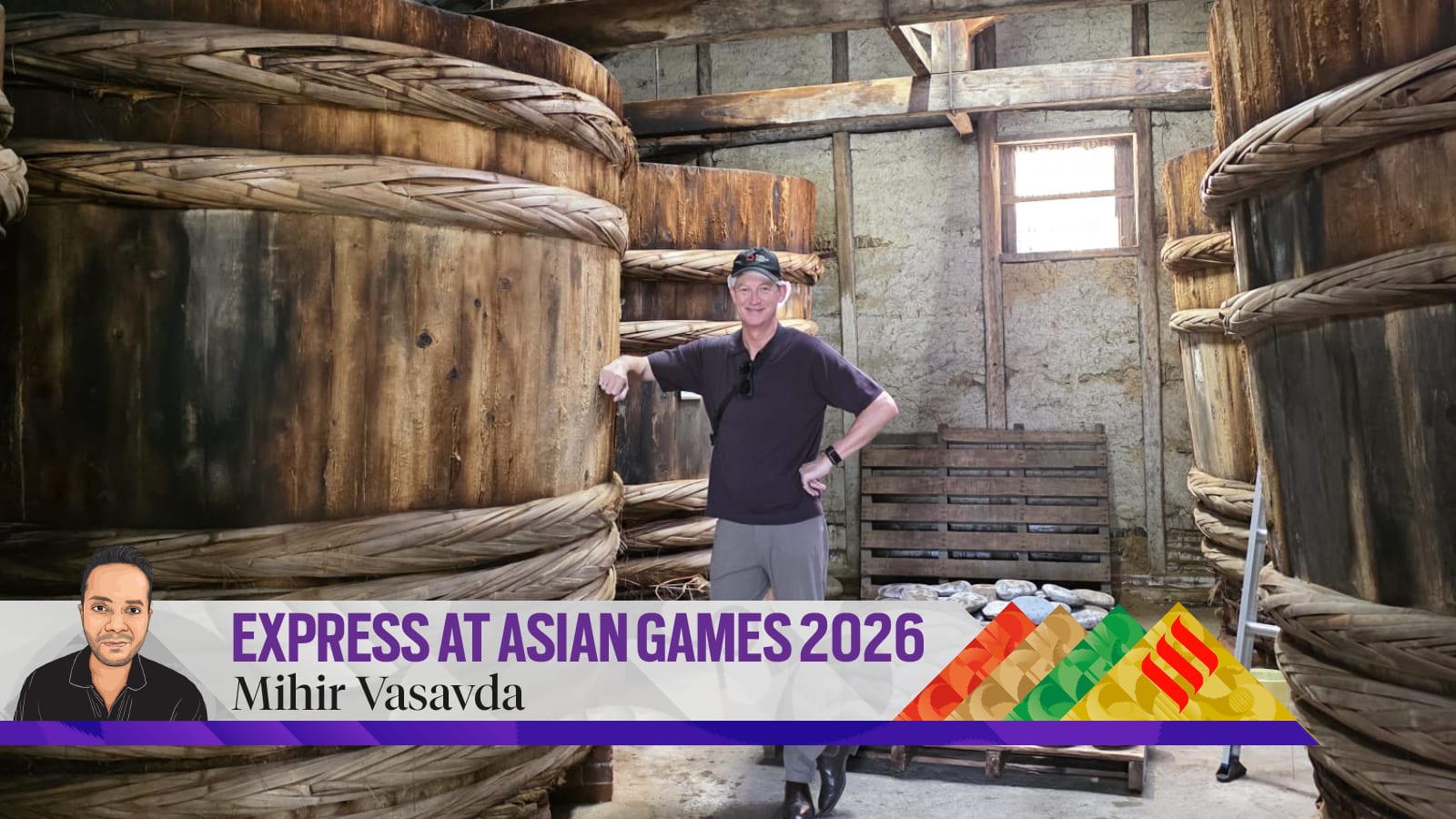
The Asian Games kitchen is a massive logistical operation managed by 80 international chefs serving 450 daily menu items. This complex food system supports thousands of athletes with staggering quantities of staples like rice, chicken, and bananas.
The Logistical Marvel of the Asian Games Kitchen
Feeding the world’s elite athletes during a multi-sport event like the Asian Games is a monumental undertaking that transcends traditional catering. The sheer scale of the operation, overseen by Peter Wright of Global Hospitality Group, involves managing a daily supply chain that rivals small international food systems. With a daily consumption rate of 60,000 bananas, one tonne of rice, two tonnes of chicken, and 35,000 pieces of bread, the kitchen serves as the lifeblood of the athletes' performance and recovery.
A Global Culinary Operation
The operation at the Aichi-Nagoya Asian Games is defined by its international diversity and precision. Featuring a team of 80 chefs from 25 different nations, the kitchen is designed to accommodate the varied dietary needs and cultural preferences of participants from across the continent. This multicultural culinary team, supported by a staff of 200, ensures that the 450 distinct menu items meet the rigorous nutritional standards required for high-level athletic competition.
Operational Rigor and Timing
The kitchen functions on a relentless schedule, beginning operations well before dawn at 5 am and continuing until 1 am the following day. To keep pace with the athletes' training and competition cycles, the menu is refreshed four times daily—breakfast, lunch, dinner, and supper. Peter Wright describes the initial phase as "slow madness" that gradually intensifies, reflecting the immense pressure of maintaining consistency while managing such vast quantities of ingredients like the 30 kg of almonds consumed daily.
The Intersection of Nutrition and Performance
Beyond the logistics, the Asian Games kitchen represents the critical intersection between sports science and mass catering. Every item on the 450-piece menu must be prepared to fuel the specific physiological requirements of athletes. The consistency of supply—ensuring that massive volumes of chicken and rice are available at every service—is essential for maintaining the energy levels necessary for peak performance throughout the duration of the games.
Future Trends in Mega-Event Catering
As mega-events grow in complexity, the model established by the Aichi-Nagoya kitchen sets a benchmark for future hospitality operations. The shift toward highly specialized, large-scale systems that prioritize both nutritional diversity and logistical efficiency is becoming the new standard. By integrating international expertise with rigorous supply chain management, organizers can successfully navigate the "damn crazy" reality of feeding thousands of individuals under intense time constraints.
Conclusion
The Asian Games kitchen is far more than a dining hall; it is a meticulously engineered system of sustenance. Through the coordination of international talent and massive logistical resources, the team ensures that the athletes' primary fuel needs are met, allowing them to focus entirely on their pursuit of excellence on the field.