No home to return to: Assam’s flood victims face harder fight after waters recede
Source Entity
VRITI JAIN
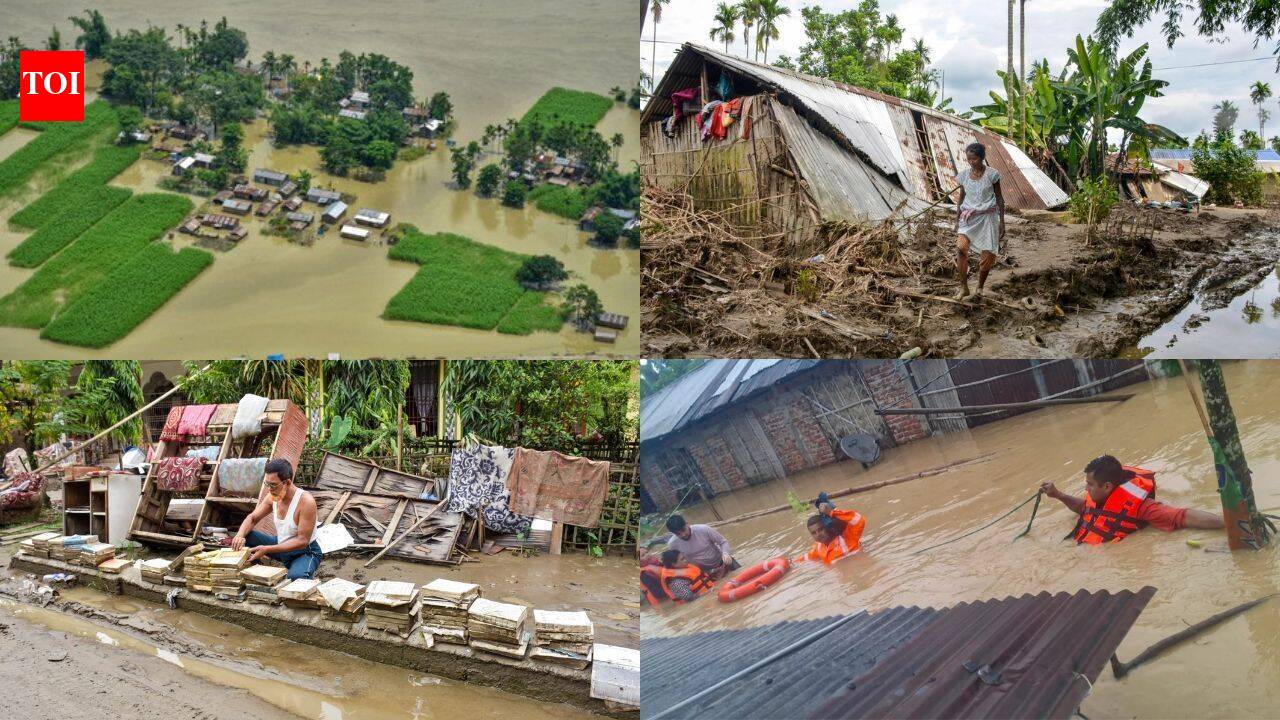
As floodwaters recede in Assam, displaced families face a grueling recovery process marked by the loss of homes and livelihoods. While the government has initiated damage assessments and financial aid, the long-term challenge of rebuilding infrastructure and restoring stability remains daunting.
The Aftermath of Inundation: Assam's Post-Flood Crisis
The Illusion of Relief
As the floodwaters in Assam finally retreat, the public narrative often shifts toward normalcy; however, for the affected families, the true crisis is only beginning. The recession of water levels does not equate to the restoration of life. Instead, it reveals a landscape of widespread destruction where homes, personal belongings, and essential supplies have been obliterated. The closure of relief camps, while statistically positive, often leaves the most vulnerable with nowhere to return to, effectively creating a secondary displacement crisis.
The Economic Toll of Total Loss
For many residents, the primary struggle is no longer survival against the rising tide, but the economic impossibility of rebuilding. The destruction of homes is compounded by the loss of livelihoods. Whether it is agricultural land rendered infertile by silt or small businesses stripped of their stock, the financial foundation of these communities has been wiped out. Cleaning a home is a physical task, but replacing a lost livelihood is a systemic challenge that requires significant capital and time, often exceeding the immediate capacity of the individual.
Infrastructure and the Cycle of Erosion
Beyond individual homes, the broader infrastructure—roads, power grids, and water systems—remains severely compromised. While electricity may be restored in some sectors, the foundational services required for a return to normalcy are frequently absent. The state's recurring battle with erosion means that even if a family manages to rebuild, the physical geography of their land may have been permanently altered, leaving them at risk for the next monsoon season. This creates a cycle where infrastructure is perpetually under repair rather than being robustly developed.
Government Intervention and the Compensation Gap
In response to the devastation, the government has launched damage assessments and initiated the distribution of financial assistance. While this initial aid is vital for immediate subsistence, it often falls short of the massive investment required for long-term recovery. The 'compensation question' remains a point of contention, as the scale of need frequently dwarfs the available state resources, raising difficult questions about the adequacy of current disaster management policies in the face of increasingly severe climatic events.
A Future Defined by Resilience
Rebuilding in Assam is not merely a construction effort; it is a complex socioeconomic project. The 'flood after the flood' refers to the period of administrative and financial strain that follows the immediate disaster. As the state addresses these ongoing issues, the focus must shift from temporary relief to sustainable, long-term mitigation strategies. Without addressing the root causes of erosion and ensuring more comprehensive support systems, the population remains trapped in a precarious cycle of destruction and recovery.