Meghalaya-Assam Taxi Operators' Standoff Continues, Tourists Stranded
Source Entity
NDTV News Search Records Found 1000
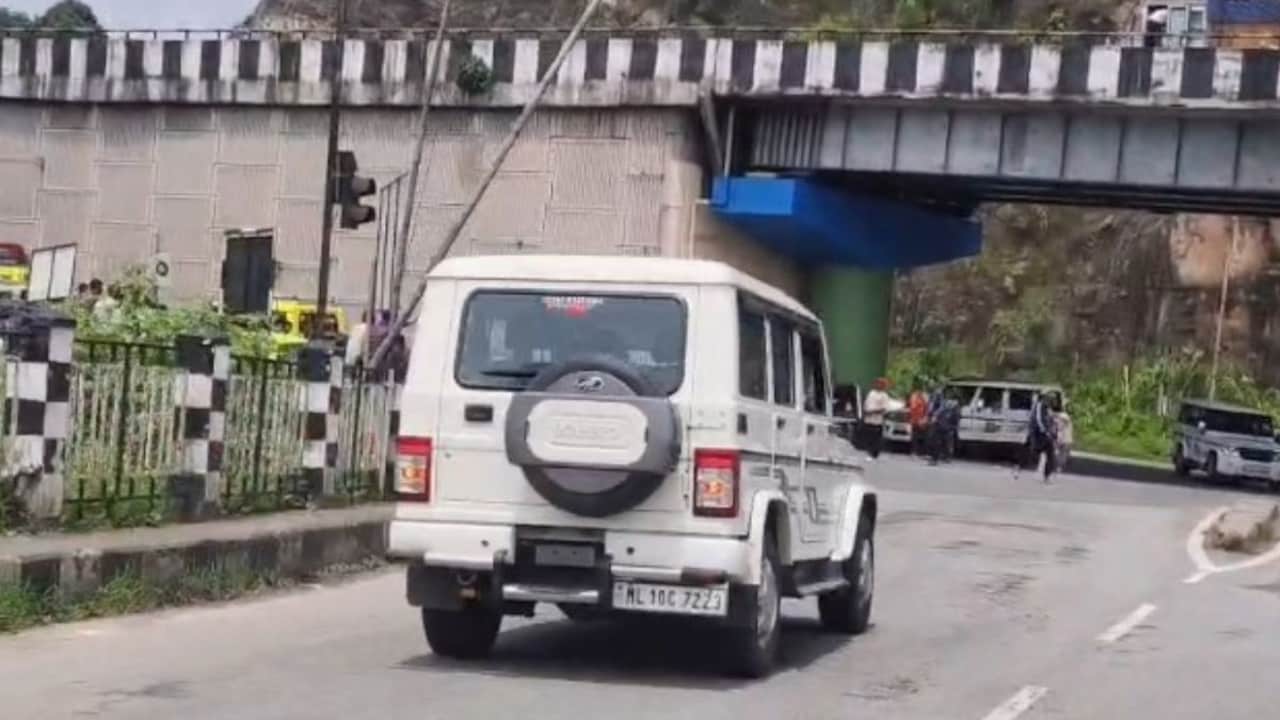
Tensions between Assam and Meghalaya have escalated as cab operators blockade the highway following violent protests in Shillong. The disruption, triggered by a KSU rally, has left tourists stranded and prompted intervention from both state governments.
Escalating Tensions: The Assam-Meghalaya Transport Standoff
The ongoing standoff between Assam-registered taxi operators and authorities in Meghalaya marks a significant deterioration in inter-state transport relations. Following a "black-flag" rally organized by the Khasi Students’ Union (KSU) in Shillong, which rapidly descended into violence, transport workers in Assam initiated a blockade at the critical Jorabat junction. This disruption has effectively paralyzed movement between the two states, leaving numerous tourists stranded and highlighting the fragility of regional transit corridors.
The Catalyst: Political Unrest and Security Concerns
The immediate trigger for this unrest was the KSU protest on Wednesday, which sought to demand specific recruitment reforms and the implementation of state security acts. During this event, protesters vandalized and set ablaze multiple vehicles, creating an environment of fear for non-local drivers and residents. The subsequent decision by Meghalaya authorities to bar Assam-registered cabs from entering the state has been met with retaliatory blockades by transport unions in Assam, who are now demanding concrete assurances regarding the safety of their drivers and vehicles.
Administrative Intervention and Diplomatic Hurdles
Despite high-level dialogues between the Chief Ministers of Assam and Meghalaya aimed at restoring order, the blockade persists. This failure to reach an immediate resolution underscores the deep-seated grievances fueling the protests. While the Assam Police have established helplines to assist stranded travelers, the administrative efforts have yet to translate into a de-escalation on the ground, as transport unions remain skeptical of the current security guarantees provided for their fleet.
Broader Implications for Regional Connectivity
The Jorabat junction serves as a vital artery for trade and tourism between the two Northeastern states. The sustained blockade not only impacts the livelihoods of independent cab operators but also severely hampers the tourism sector, which is a backbone of the Meghalaya economy. The ripple effect of these protests risks isolating regional populations and could lead to supply chain disruptions if the impasse continues for an extended period.
Future Outlook and Conflict Resolution
Moving forward, the restoration of normalcy will require more than just temporary police intervention. It necessitates a framework for inter-state cooperation that addresses the core demands of the KSU while ensuring the safety of transit workers. Without a long-term resolution, the vulnerability of the Assam-Meghalaya highway will remain a recurring point of failure for regional stability, potentially discouraging tourism and investment in the region.
Conclusion
As the situation remains fluid, the primary focus for authorities must be the safe transit of stranded individuals and the establishment of a secure corridor for interstate travel. The persistence of the blockade serves as a stark reminder of the complexities inherent in managing regional political tensions and the immediate need for a sustainable peace-building approach between state administrations.
Verification Required?