Another ‘encounter’ in Assam, why a case in Supreme Court remains stuck
Source Entity
Shinjini Ghosh
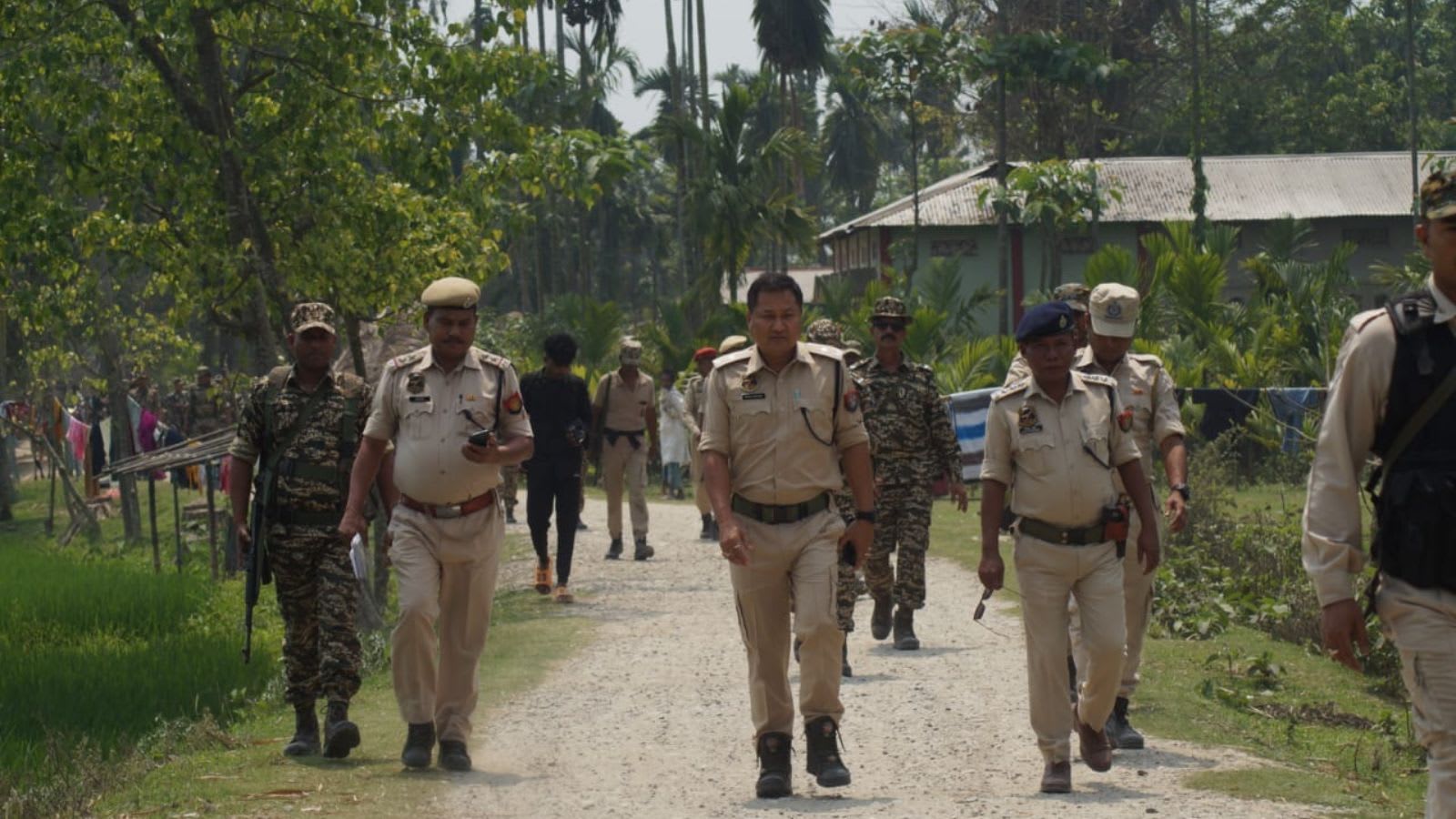
The death of a prime murder suspect in an Assam police encounter has reignited concerns regarding the state's frequent use of such tactics. Legal oversight remains stalled due to critical staff shortages at the Assam Human Rights Commission.
The Controversy of Encounters in Assam
Recent events in Guwahati have once again thrust the controversial practice of police 'encounters' in Assam into the national spotlight. Following the killing of five individuals at a local hotel, the prime suspect was shot dead by police during a confrontation. This incident has triggered widespread debate regarding the adherence to due process and the rule of law, as critics argue that such extrajudicial actions bypass the traditional criminal justice system and judicial scrutiny.
The 'Third Law' Justification
The discourse surrounding these events took an unusual turn when G P Singh, the current CRPF Director General and former Assam DGP, invoked 'Newton’s Third Law' via social media to characterize police actions. By stating that the 'relevance of the third law remains undiminished,' the official framed police violence as an 'equal and opposite reaction' to criminal activity. This rhetoric highlights a shift in the philosophy of law enforcement in the region, where reactive violence is increasingly presented as a legitimate deterrent against crime.
Institutional Paralysis at the AHRC
The legal mechanism designed to check these practices—the Assam Human Rights Commission (AHRC)—is currently facing a significant operational crisis. In May 2025, the Supreme Court of India mandated that the AHRC conduct an inquiry into the recurring allegations of fake encounters. However, this directive has largely remained unimplemented. The primary obstacle is a series of vacant positions within the commission, which has effectively rendered the body unable to perform its oversight functions, leaving a vacuum in institutional accountability.
The Impact of Judicial Delays
Because the AHRC is currently understaffed, the Supreme Court’s intervention has effectively stalled. This administrative failure serves to insulate police actions from the necessary independent investigations required to determine if these encounters are lawful or staged. The inability of the human rights body to function as intended suggests a breakdown in the checks and balances necessary for democratic policing, raising concerns about the long-term impact on the state's civil liberties.
Broader Implications and Future Outlook
The persistence of these encounters, coupled with the lack of active oversight, suggests that the cycle of violence may continue without judicial intervention. As the state grapples with high-profile crimes, the reliance on rapid, lethal responses by law enforcement appears to be entrenched. Unless the vacancies at the AHRC are filled and the commission is empowered to act on the Supreme Court's mandate, it is unlikely that the legitimacy of these encounters will be meaningfully challenged in the near future. This situation remains a critical point of friction between executive policing strategies and the mandates of the judiciary.