US handlers, weapons and heroin: 2 more arrests in Panchkula club firing case
Source Entity
The Indian Express
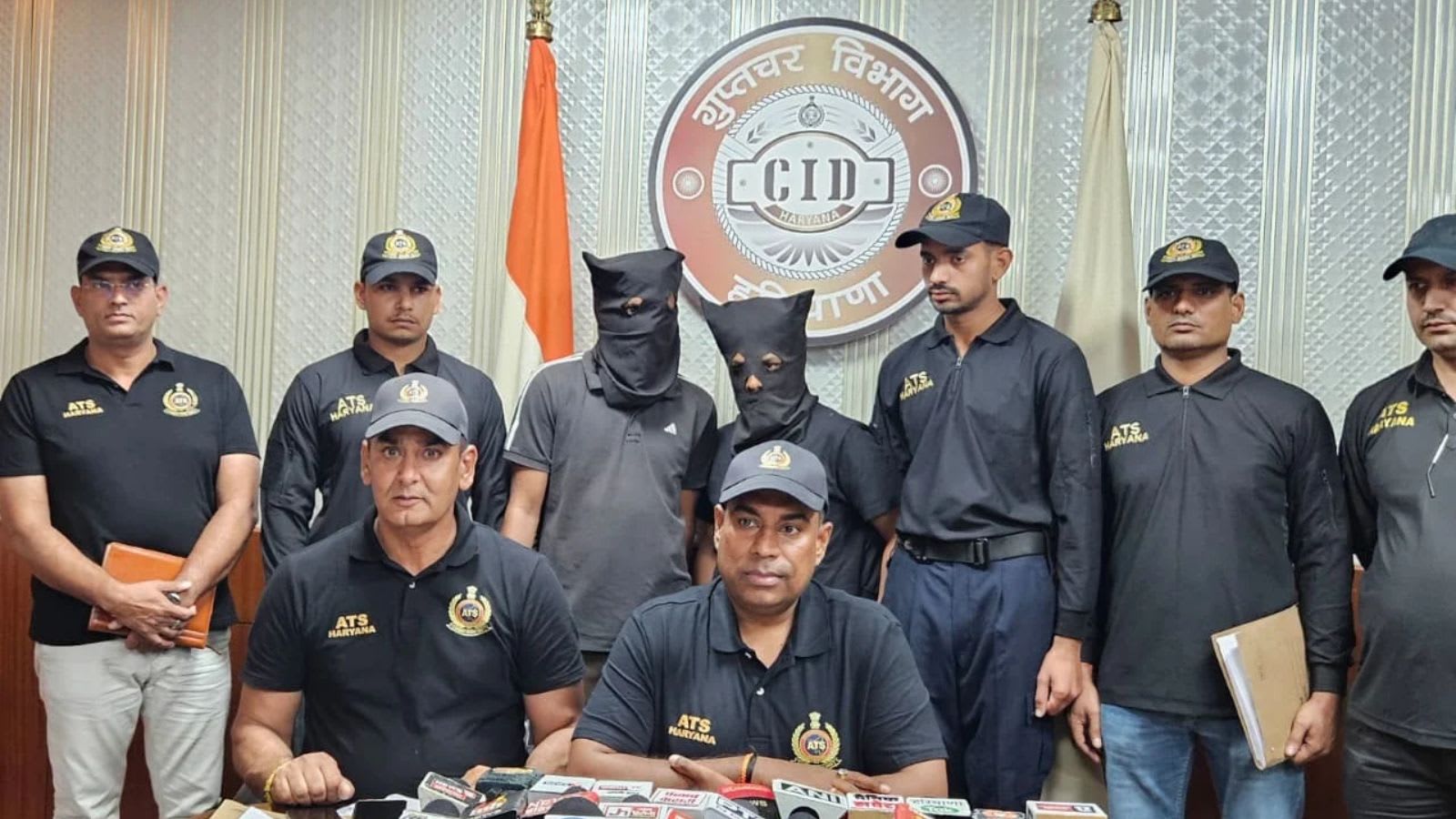
The Haryana Anti-Terrorist Squad has arrested two more suspects in the Panchkula club firing case, bringing the total arrests to nine. The investigation has uncovered a complex international narco-terror network involving US-based handlers and cross-border arms and drug smuggling.
Breakdown of the Panchkula Narco-Terror Investigation
The recent arrest of Balwinder Singh (alias Chhanku) and Sukhwinder Singh (alias Sonu) by the Haryana Anti-Terrorist Squad (ATS) marks a significant escalation in the ongoing investigation into the Panchkula club firing incident. By apprehending these two individuals, who collectively carried a bounty of Rs 60,000, the total number of arrests in the case has climbed to nine. This development is not merely a routine police action but a pivotal step in dismantling a sophisticated criminal apparatus that has been operating with international reach.
Uncovering the Narco-Terror Nexus
What initially appeared to be a localized act of violence at a club has evolved into a high-stakes probe into an international narco-terror network. Investigators have uncovered evidence suggesting that the firing was a symptom of a larger, coordinated effort to destabilize local order through the movement of illegal arms and narcotics. The involvement of US-based handlers suggests that this network is far more expansive than previously anticipated, utilizing global communication channels to orchestrate activities within Haryana and Punjab.
The Role of Local Operatives
Balwinder Singh and Sukhwinder Singh, both residents of Punjab’s Fazilka district, represent the critical 'boots on the ground' for this criminal enterprise. Their arrest highlights the strategy employed by these networks: recruiting local operatives to manage the distribution of heroin and the movement of weapons. By leveraging individuals with local knowledge, the handlers ensure that their financial channels and supply chains remain insulated, often making it difficult for law enforcement to trace the money trail back to the foreign masterminds.
Financial Channels and Supply Chains
The Haryana ATS is now focusing its scrutiny on the financial infrastructure supporting these operations. The movement of 'drug money' is a primary concern for investigators, as it funds not only the purchase of illicit substances but also the procurement of weaponry. This financial web is integral to the sustainability of the network, and the recent arrests are expected to provide investigators with actionable intelligence regarding the specific methods used to launder money and distribute resources across district and state lines.
Future Trends and Security Implications
As the investigation deepens, the broader implications for regional security become clear. The intersection of narcotics trafficking and terrorism—often termed 'narco-terrorism'—poses a unique challenge to state agencies. Moving forward, the focus will likely remain on mapping the foreign links of these handlers and neutralising the supply chains before they can be exploited further. The success of the ATS in this case serves as a warning that cross-border criminal syndicates are being met with increased intelligence-led enforcement, potentially shifting the landscape of organised crime in Northern India.