Assam Rifles jawan killed, 4 injured in suspected militant attack in Arunachal
Source Entity
ABHISHEK MISHRA
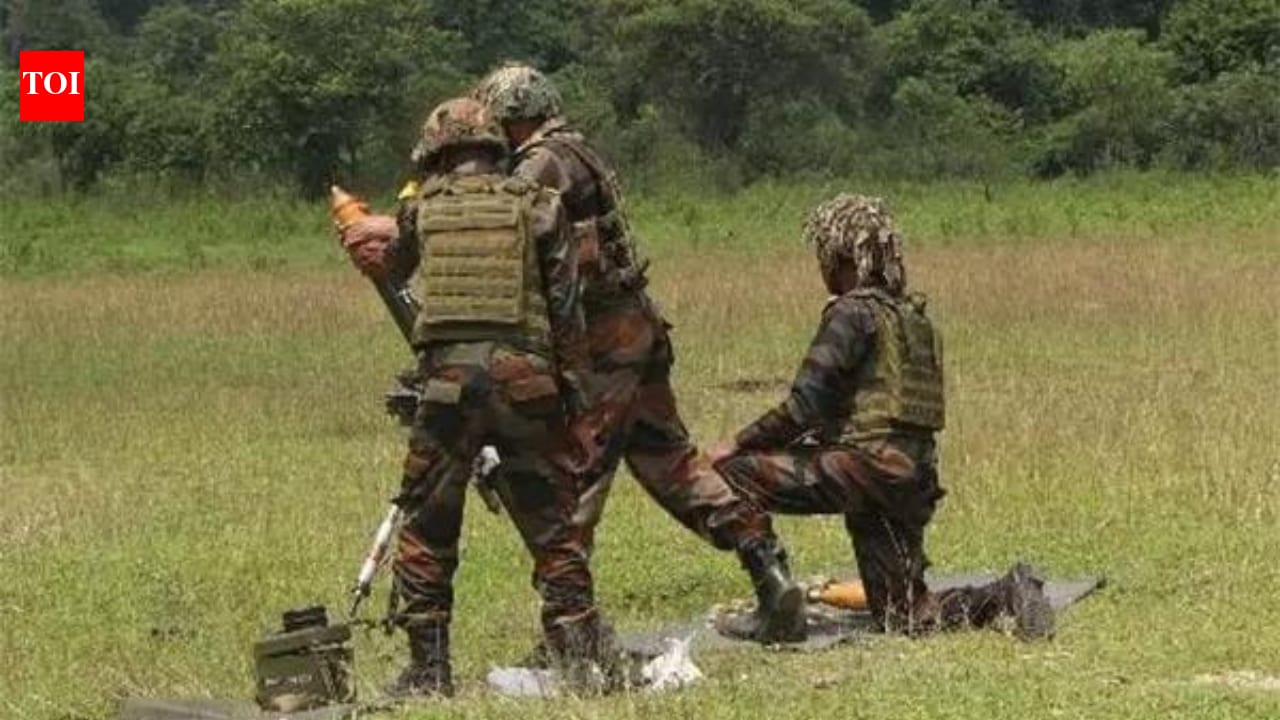
An Assam Rifles jawan was killed and four others injured during a militant attack near the India-Myanmar border in Arunachal Pradesh. The incident occurred while the patrol team was monitoring border fencing construction in the sensitive Changlang district.
Militant Ambush Along the India-Myanmar Border
On Tuesday morning, a tragic security incident occurred in the Changlang district of Arunachal Pradesh, where a patrol team from the 21 Assam Rifles was targeted by suspected militants. The attack, which took place near the Nampong Nallah at approximately 6:30 am, resulted in the death of Havildar Jankhokai Kuki (42) and left four other personnel injured. This violent encounter highlights the persistent security challenges faced by Indian security forces operating in remote, mountainous border regions.
Context of the Security Operation
The Assam Rifles team was engaged in routine patrolling duties in an area where border fencing work is currently underway. The India-Myanmar border, particularly in the Changlang district, is historically sensitive due to the difficult terrain and the presence of various insurgent groups that utilize the porous border to move between the two nations. The construction of border fencing is a strategic initiative aimed at curbing illegal cross-border activities, yet such infrastructure projects often become targets for militant factions seeking to disrupt state security efforts.
The Strategic Sensitivity of Changlang
The Changlang district serves as a critical corridor where security forces must maintain constant vigilance. The Superintendent of Police, Kirli Padu, confirmed that local authorities were alerted to the incident immediately, with instructions issued to the Nampong police to ascertain the tactical details of the ambush. This region has long been characterized by the movement of armed groups, making any patrol mission a high-risk endeavor for the Assam Rifles, who are tasked with maintaining stability in these isolated sectors.
Broader Implications for Border Security
This attack underscores the ongoing volatility along the India-Myanmar border. While the primary objective of the Assam Rifles in this instance was to secure the perimeter of a developmental project, the incident serves as a stark reminder of the asymmetric warfare tactics employed by militants. By targeting security personnel during infrastructure development, these groups attempt to stall government efforts to tighten border control and reduce the efficacy of illegal transit routes.
Comparative Regional Dynamics
While the situation in Arunachal Pradesh remains distinct in its local insurgency dynamics, it exists within a broader regional context of instability. Reports from adjacent territories, such as the recent claims by separatist groups in Balochistan regarding attacks on military convoys, indicate that border regions across South Asia remain focal points for militant activity. These incidents globally reflect a recurring pattern where security forces are forced to defend long, rugged, and difficult-to-monitor international frontiers against non-state actors.
Future Trends and Outlook
Looking ahead, the security apparatus in Arunachal Pradesh will likely undergo a tactical reassessment. Increased surveillance and potential reinforcements in the Changlang sector are expected as authorities work to secure the remaining border fencing project. The death of Havildar Jankhokai Kuki emphasizes the human cost of these operations, and it is anticipated that Indian forces will intensify counter-insurgency measures to prevent further incursions into the area.