The OLED Xbox Ally X20 is so good, Asus will sell it solo
Source Entity
Sean Hollister
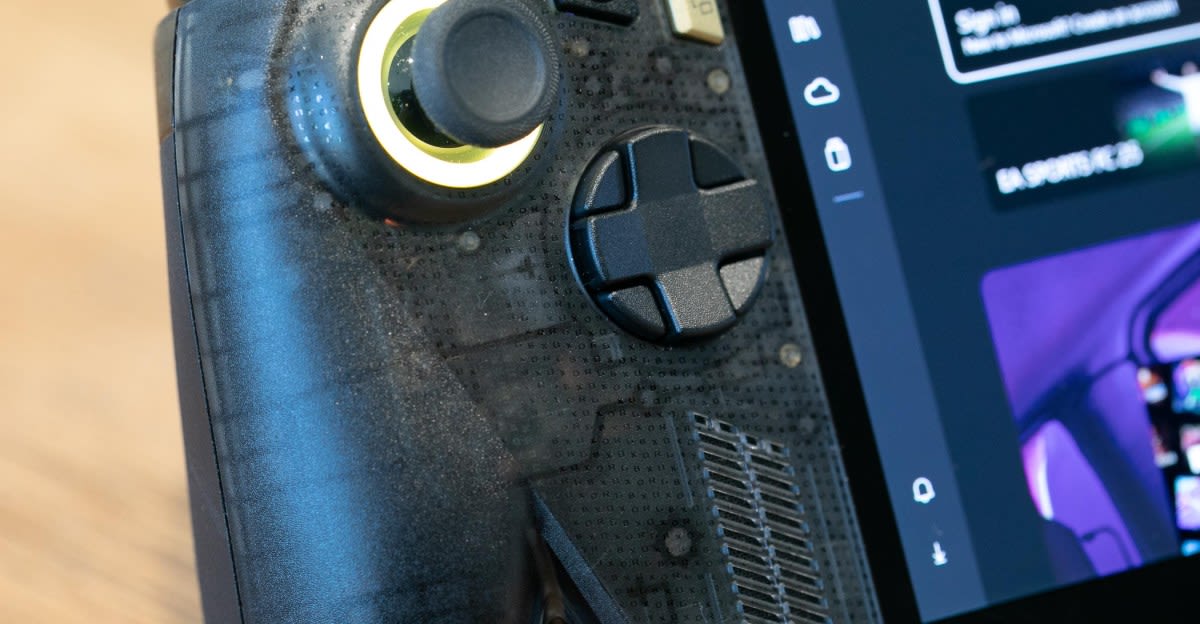
Asus has pivoted its sales strategy for the OLED Xbox Ally X20, deciding to sell the handheld device as a standalone product after previously intending to bundle it exclusively with high-priced AR glasses.
Strategic Pivot: The Standalone Launch of the OLED Xbox Ally X20
In a significant shift in product positioning, Asus has announced that the OLED Xbox Ally X20 will be available for individual purchase. Previously, the company had indicated that this high-end handheld would be bundled exclusively with a pair of expensive augmented reality (AR) glasses. This decision marks a transition from a niche, luxury-bundle approach to a more consumer-centric distribution model, acknowledging that the hardware's intrinsic value is high enough to drive sales without the need for complementary peripherals.
The Technical Appeal of OLED Integration
The transition to an OLED display is the cornerstone of the Xbox Ally X20's value proposition. In the handheld gaming market, OLED technology is highly coveted due to its ability to produce true blacks, infinite contrast ratios, and more vibrant color reproduction compared to traditional LCD panels. For a device designed for immersive gaming, an OLED screen significantly reduces motion blur and improves response times, which are critical for fast-paced titles. By decoupling the device from the AR glasses, Asus allows users to focus on the primary hardware upgrade—the screen—which is often the most scrutinized component of any handheld gaming PC.
Analyzing the AR Bundle Barrier
The initial plan to bundle the Xbox Ally X20 with AR glasses likely aimed to push the boundaries of "spatial computing" in gaming. However, such a strategy creates a significant financial barrier to entry. AR glasses, while innovative, remain a niche accessory with varying levels of comfort and utility. By forcing a bundle, Asus would have artificially inflated the price point, potentially alienating a large segment of the core gaming audience who prioritize raw performance and display quality over experimental peripherals. The move to sell the unit "solo" suggests that Asus recognized the risk of limiting the device's market penetration.
Market Competition and Positioning
This strategic adjustment places the OLED Xbox Ally X20 in direct competition with other premium handhelds, most notably the Steam Deck OLED. The handheld PC market has become increasingly crowded, with players like Lenovo and Valve fighting for dominance. To remain competitive, Asus must ensure that its pricing is aggressive and its accessibility is high. Selling the device solo allows Asus to compete more effectively on a price-to-performance basis, ensuring that the OLED Xbox Ally X20 is viewed as a viable alternative to other high-end handhelds rather than a luxury curiosity.
Ecosystem Synergy and the "Xbox" Influence
The naming and integration of the "Xbox" brand within the Ally X20 ecosystem highlight the deep synergy between Asus hardware and Microsoft's gaming services. By optimizing the device for the Xbox ecosystem—likely including seamless Game Pass integration—Asus is leveraging one of the strongest subscription models in the industry. The standalone release ensures that a wider array of Xbox Game Pass subscribers can enter the handheld ecosystem without being forced into an AR investment, thereby expanding the active user base for both the hardware and the service.
Future Trends in Handheld Gaming
Looking forward, the trajectory of the Xbox Ally X20 indicates a broader trend toward "premiumization" in the handheld space. We can expect future iterations of gaming handhelds to prioritize display technology (such as Mini-LED or advanced OLED) and battery efficiency over experimental bundles. The industry is moving toward a modular approach where users can choose their own peripherals, rather than being locked into manufacturer-defined packages. Asus's pivot is a bellwether for this trend, signaling a return to hardware-first marketing.
Conclusion
Asus's decision to sell the OLED Xbox Ally X20 solo is a pragmatic move that prioritizes market reach over experimental bundling. By removing the requirement for AR glasses, Asus maximizes the appeal of the device's superior OLED screen and strengthens its competitive position in the handheld PC market. This shift not only makes the device more accessible to the average gamer but also aligns the product with current consumer preferences for high-quality, standalone hardware.