Warning more homes will be uninsurable due to flood risk
Source Entity
BBC News
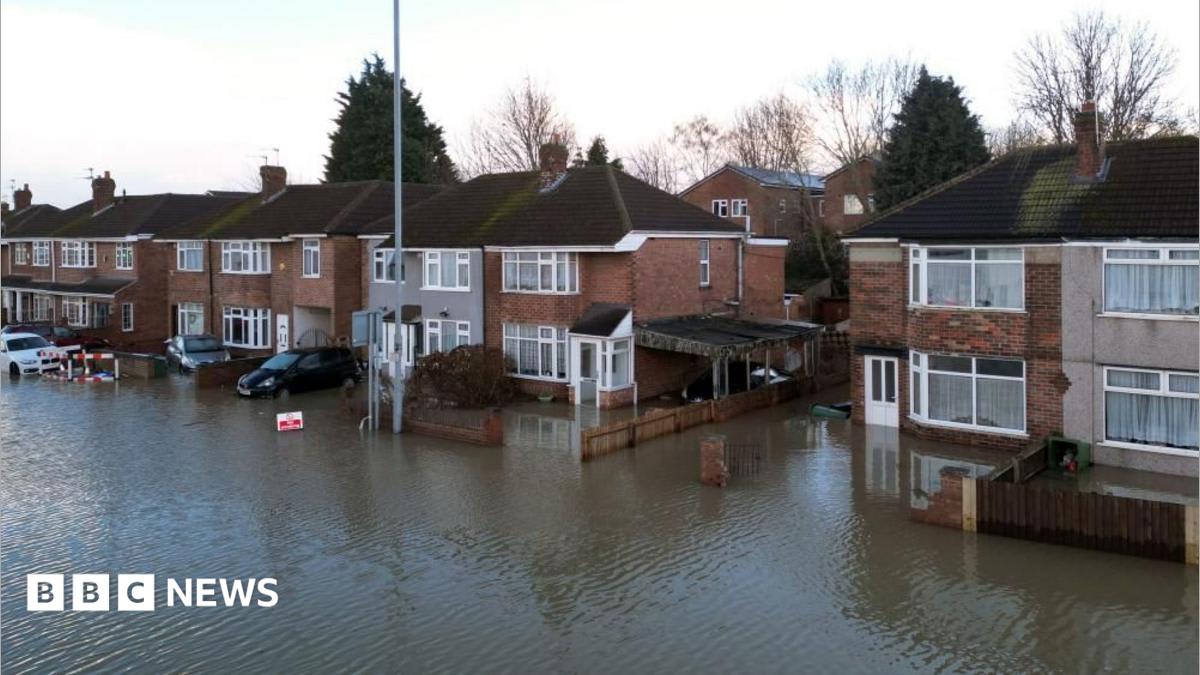
Aviva CEO Amanda Blanc warns that thousands of new homes are being built in high-risk flood zones across England. This trend threatens to render future properties uninsurable as climate-related flooding risks continue to escalate.
The Growing Crisis of Uninsurable Housing in England
The Intersection of Development and Climate Risk
The recent warning from Aviva CEO Amanda Blanc highlights a critical misalignment between current urban development strategies and the accelerating realities of climate change. With the Environment Agency identifying approximately 6.3 million homes and businesses in England as currently vulnerable to flooding, the decision to continue construction in high-risk zones presents a long-term economic and social hazard. As climate patterns shift, the intensity and frequency of flood events are rising, effectively placing new infrastructure in the path of inevitable environmental damage.
Statistical Evidence of Policy Failure
Data provided by Aviva indicates that the problem is not merely a hypothetical future concern but an ongoing policy failure. Research shows that one in nine homes constructed between 2022 and 2024 currently exists within a medium to high-risk flood zone. This suggests that despite our modern understanding of climate modeling and environmental impact assessments, the construction industry and planning authorities are failing to prioritize long-term resilience over immediate housing supply demands.
The Looming Insurance Gap
Insurance serves as a vital pillar of the property market, providing the financial security necessary for mortgages and homeowner stability. If homes are built in areas where flood risk is high, insurers will eventually face a binary choice: charge premiums that are prohibitively expensive for the average homeowner or refuse coverage entirely. Amanda Blanc’s assertion that England is building homes that will be 'uninsurable' suggests that we are creating a generation of 'stranded assets'—properties that lose their market value simply because they cannot be protected against environmental perils.
The Economic Impact of Poor Planning
Projections indicate that an additional 115,000 new homes are slated for construction in flood-prone areas over the next decade. If these developments proceed without significant mitigation or a shift in geographical focus, the burden will eventually shift to the state or the individual homeowner. This creates a cycle where public funds may be required for disaster relief, while private homeowners find their primary asset becoming a liability rather than a source of wealth.
A Call for Strategic Reform
Addressing this issue requires a fundamental rethink of land-use policy. As Blanc pointed out, building in these areas 'doesn't seem to make sense.' Future urban planning must integrate climate risk data as a primary constraint rather than an afterthought. Without a coordinated effort between the government, insurers, and developers to restrict building in flood zones, England risks creating a permanent underclass of homeowners trapped in high-risk, uninsurable housing, ultimately undermining the stability of the national property market.