No stay on MDR but SC asks under what law was it imposed
Source Entity
DHANANJAY MAHAPATRA
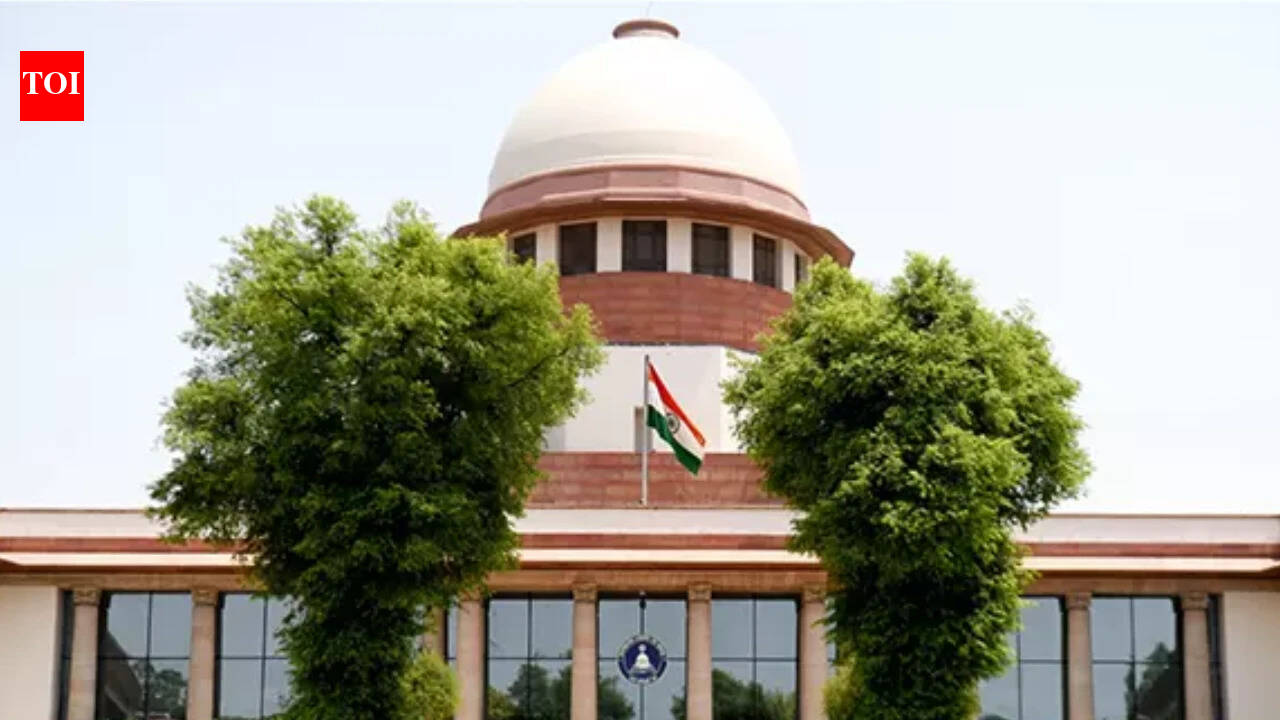
The Supreme Court has declined to stay the Merchant Discount Rate (MDR) but has issued a notice seeking legal clarity on the authority behind its imposition. This judicial scrutiny highlights ongoing tensions regarding digital payment cost structures and regulatory oversight.
Judicial Scrutiny of Merchant Discount Rate (MDR) Policies
The Supreme Court's Stance on MDR
The Supreme Court of India recently addressed the contentious issue of the Merchant Discount Rate (MDR), declining to grant an interim stay on its application. While the court stopped short of halting the mechanism, it pointedly questioned the government and regulatory bodies regarding the specific legal framework under which MDR is imposed. This development marks a significant moment in the ongoing discourse surrounding the cost of digital transactions in the country.
Understanding the MDR Framework
At its core, the Merchant Discount Rate is the fee charged to a merchant by a bank for accepting payments from their customers via credit and debit cards. The lack of a stay indicates the judiciary's reluctance to disrupt the existing financial ecosystem without a thorough examination of the underlying legal statutes. By asking for the specific law governing these charges, the Supreme Court is signaling that the legal basis for these fees must be transparent and clearly defined to satisfy constitutional scrutiny.
Broader Implications for Digital Payments
The imposition of MDR has long been a point of contention between merchants, banks, and payment aggregators. Merchants often argue that these fees erode thin profit margins, particularly for small-scale businesses, while financial institutions maintain that the charges are necessary to cover the infrastructure and security costs associated with processing digital payments. The Supreme Court's inquiry could potentially lead to a restructuring of how these costs are mandated or regulated in the future.
Historical Context and Regulatory Oversight
Historically, the regulation of digital payment costs has shifted between market-driven pricing and government-led mandates, such as the zero-MDR policy on certain platforms like UPI. The current judicial intervention suggests a desire for greater regulatory clarity. If the government fails to demonstrate a robust legal foundation for the current MDR structure, it may be forced to amend or clarify the statutes governing electronic transactions to ensure they align with broader consumer protection and business ease-of-doing-business goals.
Future Trends and Judicial Expectations
Looking ahead, this case is likely to set a precedent for how financial technology regulations are challenged in Indian courts. If the Supreme Court finds the current legal basis for MDR insufficient, we may see a transition toward a more standardized, transparent, and legally explicit fee structure. Stakeholders in the fintech and banking sectors will be closely monitoring the response to this query, as it could fundamentally alter the economics of digital payment processing in India.