Why edible oil prices could stay high long after the seasonal onion surge
Source Entity
Latest News: Todays Latest News Headlines from India & World | Hindustan Times | Hindustan Times
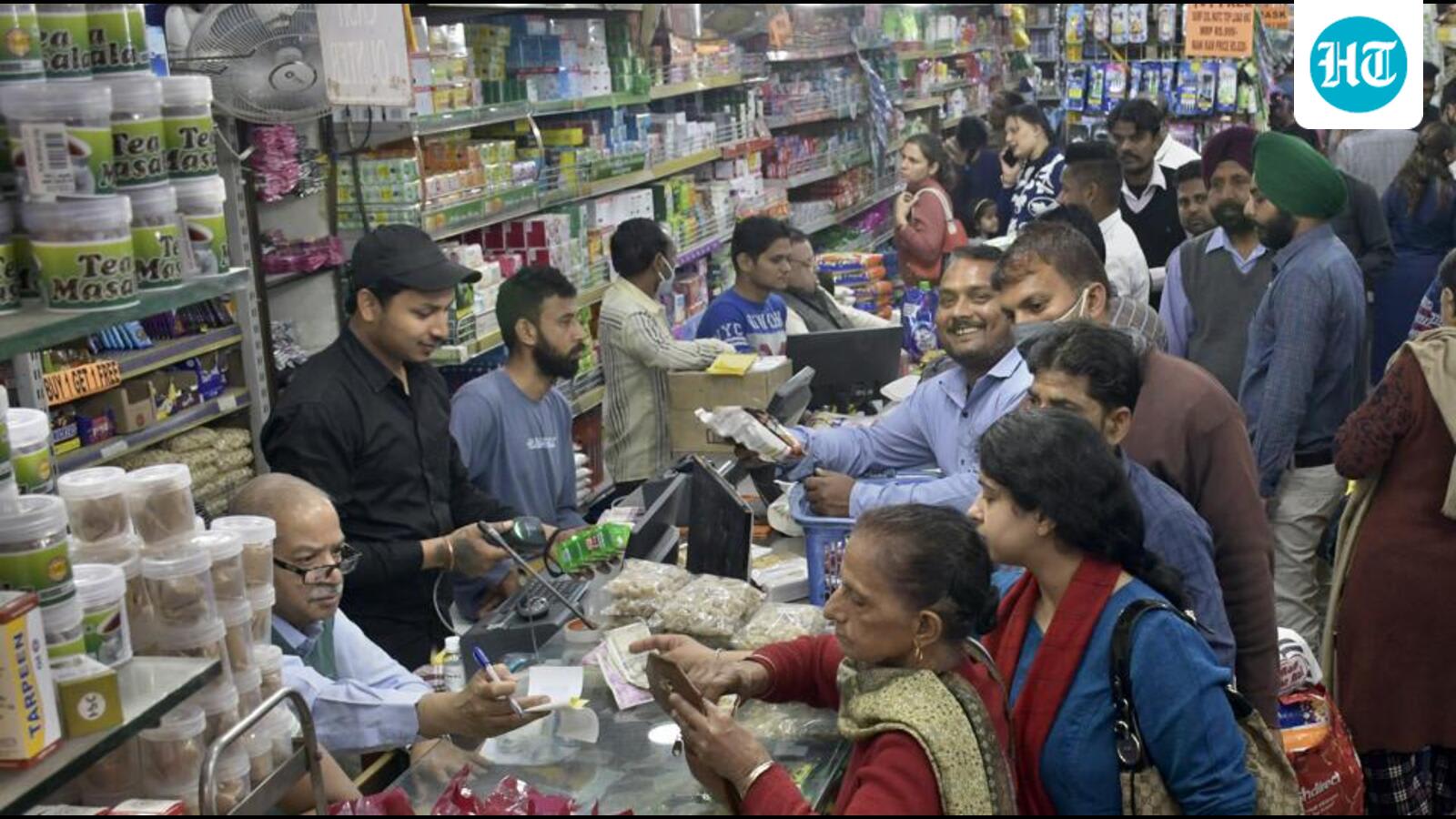
Food inflation is currently driven by specific supply shocks and geopolitical factors rather than broad demand. While onion prices are expected to stabilize with the upcoming harvest, edible oil costs remain under pressure due to persistent structural and global challenges.
Understanding the Current Food Inflation Landscape
Recent market data indicates that Indian households are facing a complex inflationary environment characterized by uneven price surges across essential commodities. While staples like potatoes and tomatoes have maintained relatively stable pricing, other critical kitchen essentials—including onions, cooking oil, sugar, rice, and pulses—have seen sharp, year-over-year increases. This divergence suggests that current inflationary trends are not a reflection of a broad-based, demand-driven economic surge, but rather a manifestation of specific, localized stressors.
The Nature of Supply-Side Disruptions
Expert analysis from Crisil Intelligence highlights that the primary drivers of this price volatility are supply shocks, adverse weather conditions, and geopolitical conflicts. Unlike demand-pull inflation, where too much money chases too few goods, these supply-side constraints limit the availability of products at the source. Weather-related disruptions have significantly hampered agricultural yields, creating a mismatch between the steady demand for staple foods and the actual market supply, leading to the price hikes currently observed by consumers.
The Onion Market: A Transient Challenge
Onions have emerged as the most significant pressure point for the average consumer, with all-India retail prices reaching ₹54.13 per kilogram as of September. However, this particular crisis is expected to be temporary. Market projections suggest that the current spike will likely peak over the coming weeks. As the Kharif harvest begins to reach markets, the increased supply is anticipated to exert downward pressure on prices, providing relief to households.
The Persistence of Edible Oil Costs
In contrast to the seasonal nature of onions, the high cost of edible oils presents a more structural and long-term concern. While onion supply is tethered to cyclical harvest patterns, edible oil prices are deeply intertwined with global geopolitical tensions and international trade dependencies. These factors are far less responsive to local harvest cycles, suggesting that even as onion prices stabilize, the broader basket of kitchen goods—specifically edible oils—may remain expensive for the foreseeable future.
Broader Economic Implications
This inflationary environment forces a recalibration of household budgets and puts pressure on food security policy. When essential goods like rice, pulses, and oils remain at elevated price levels simultaneously, the cumulative impact on the consumer price index becomes significant. The government and policymakers must navigate these supply-side constraints by potentially diversifying import sources for edible oils and improving storage infrastructure to mitigate the impact of future weather-related crop failures.
Future Trends and Outlook
Looking ahead, the market is likely to see a bifurcation in price trends. Seasonal commodities will continue to fluctuate based on agricultural cycles, but the structural cost of processed or imported goods like edible oil will remain sensitive to global instability. Consumers should prepare for a period where, despite the easing of specific vegetable prices, the overall cost of the grocery basket remains higher than historical averages until global supply chains reach a new equilibrium.
Verification Required?