Ayatollah Mojtaba Khamenei's Representative Wishes Indians A Happy Diwali
Source Entity
NDTV News Search Records Found 1000
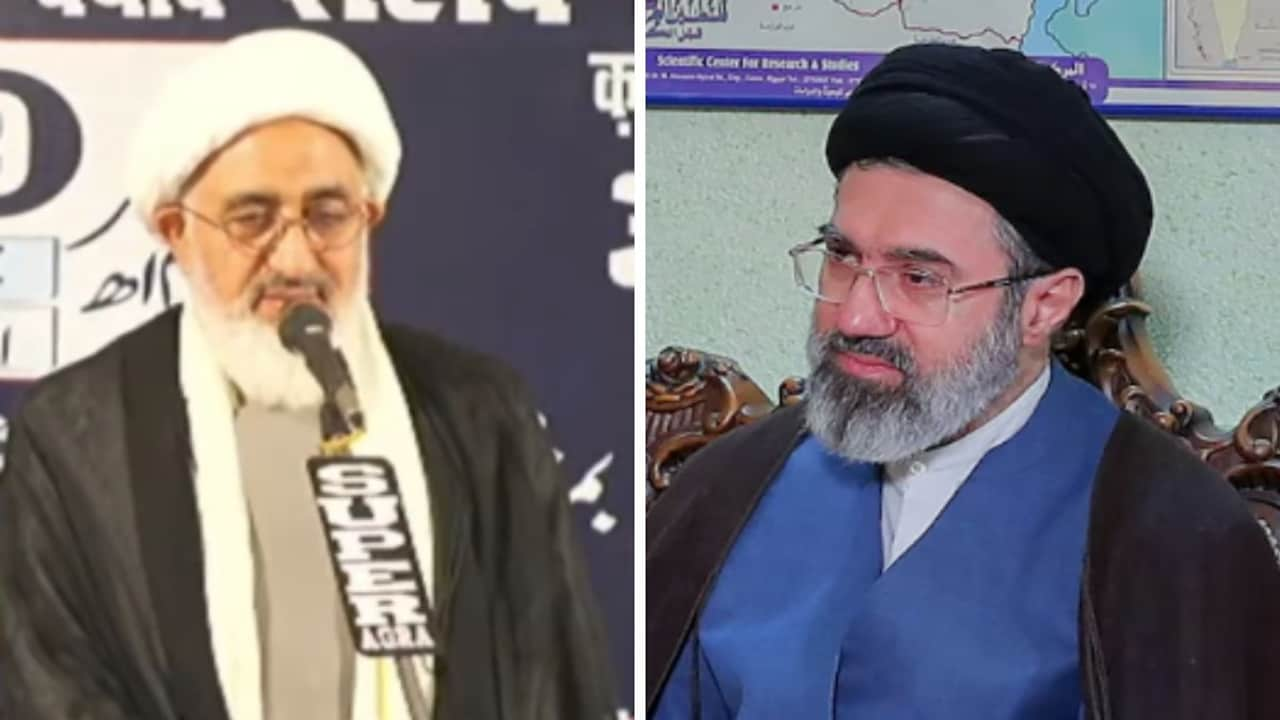
A representative of Ayatollah Mojtaba Khamenei has extended Diwali greetings to the people of India. This gesture highlights the global recognition of the festival and reflects evolving cultural diplomatic outreach.
A Diplomatic Gesture of Cultural Recognition
The recent extension of Diwali greetings by a representative of Ayatollah Mojtaba Khamenei to the Indian people marks a notable moment in cross-cultural communication. While Diwali is fundamentally a Hindu festival celebrating the victory of light over darkness, its status as a global phenomenon has grown significantly, transcending geographical and religious boundaries to become a symbol of shared human values.
The Global Reach of Diwali
Diwali, often referred to as the Festival of Lights, has moved beyond the borders of South Asia to become an internationally recognized celebration. As reported, the festival is being observed across the globe, reflecting the vast reach of the Indian diaspora and the growing appreciation for multicultural traditions. This universalization of Diwali allows leaders and representatives from diverse political and religious backgrounds to engage in soft diplomacy, fostering goodwill through the acknowledgment of significant cultural milestones.
Analyzing the Significance of the Representative's Message
When a representative of a high-ranking religious figure like Ayatollah Mojtaba Khamenei acknowledges a major Hindu festival, it underscores a shift toward more inclusive public discourse. Such gestures are rarely accidental; they often serve to signal a desire for cordial relations and mutual respect between nations or communities. By participating in the spirit of the celebration, the representative validates the cultural importance of the festival to the Indian populace, thereby strengthening the social fabric of international relations.
Historical Context of Cultural Diplomacy
Throughout history, the exchange of festive greetings has functioned as a low-stakes, high-impact tool for diplomacy. During times of complex geopolitical landscapes, religious and cultural leaders often use these opportunities to emphasize common ground rather than political friction. This specific outreach serves as a reminder that even in regions defined by rigid religious frameworks, there exists a capacity to recognize and honor the traditions of other civilizations.
Future Trends in Cross-Cultural Engagement
Looking ahead, it is likely that such diplomatic acknowledgments will become more frequent as globalization continues to intertwine the social and cultural lives of nations. As the Indian diaspora continues to exert influence globally, foreign leaders are increasingly incentivized to engage with Indian traditions. This trend suggests a future where cultural literacy becomes a core component of effective international relations, moving beyond traditional political and economic dialogue.
Concluding Summary
The act of wishing Indians a happy Diwali by a representative of Ayatollah Mojtaba Khamenei is an encouraging sign of cultural bridge-building. By acknowledging the global celebration of light, the gesture promotes a narrative of unity and mutual respect. As Diwali continues to be celebrated across the globe, such diplomatic expressions will likely remain a key indicator of the evolving nature of international cooperation and cultural sensitivity.
Verification Required?