Paraguay’s ousted president charged with crimes linked to bank collapse, may face 20 years in prison
Source Entity
Latest News: Todays Latest News Headlines from India & World | Hindustan Times
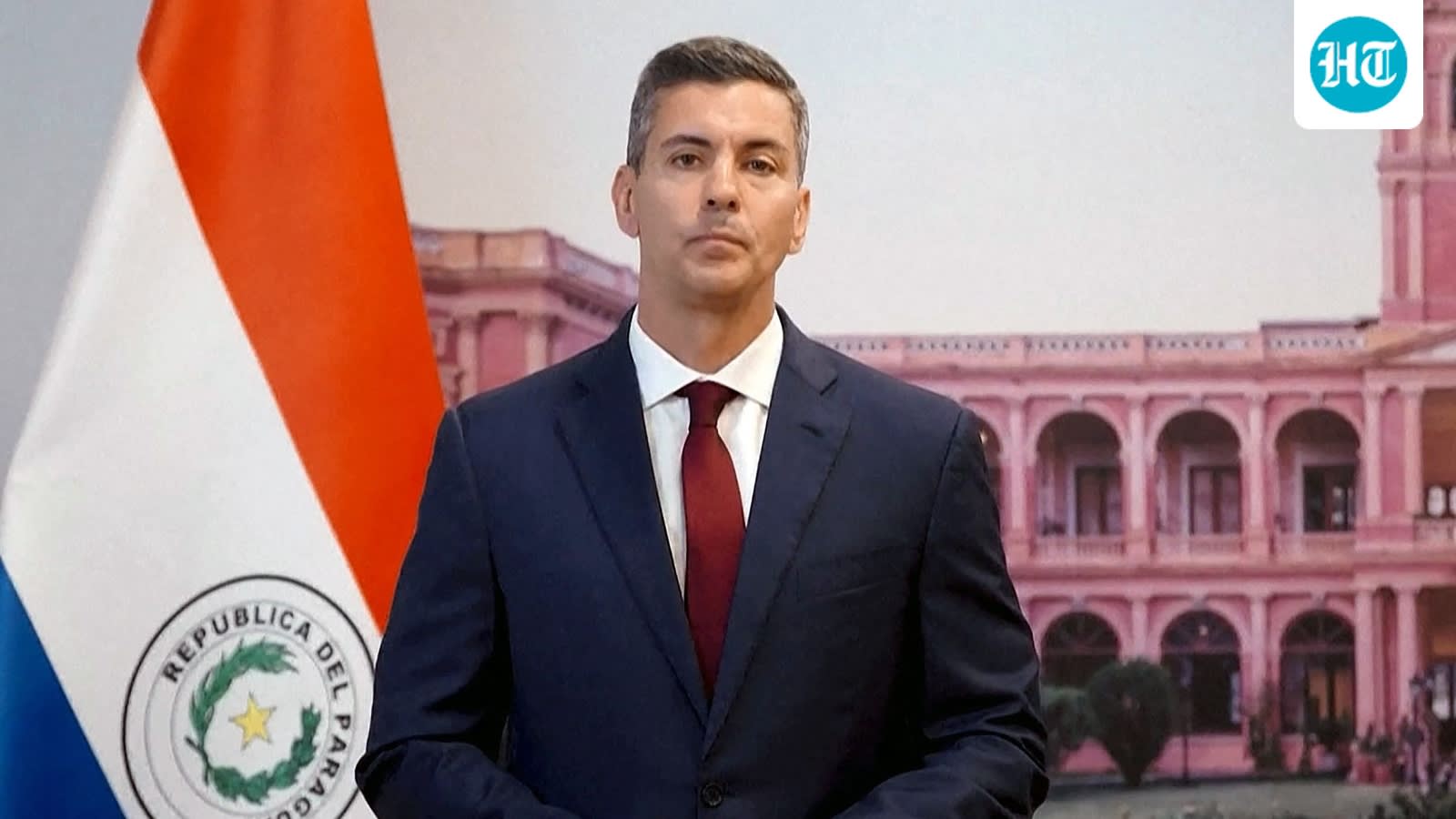
Former Paraguayan President Santiago Peña has been charged with breach of trust and personal gain following the collapse of Ueno bank. The scandal has triggered the country's most significant political crisis since its return to democracy in 1989.
The Collapse of Ueno Bank and the Fall of Santiago Peña
The political landscape of Paraguay has been thrust into turmoil following the collapse of Ueno bank, an event that has now led to formal criminal charges against recently ousted President Santiago Peña. Prosecutors, led by chief official Nancy Salomón, have initiated a high-stakes legal battle, charging the former leader with breach of trust and administration for personal gain. This development marks a pivotal moment for a nation that has spent decades attempting to solidify its democratic foundations.
The Economic Fallout of the Banking Crisis
The collapse of Ueno bank is not merely a political scandal but a humanitarian and economic disaster for the Paraguayan citizenry. With hundreds of thousands of account holders losing access to their life savings, the stability of the national economy has been severely compromised. The freezing of assets, requested by prosecutors as a precautionary measure, underscores the severity of the financial malfeasance allegedly overseen by the former administration. This event has effectively locked millions of dollars out of circulation, creating a liquidity crisis that will likely plague the nation's markets for years to come.
Legal Implications and Potential Sentencing
The charges brought against Santiago Peña carry significant weight, with prosecutors noting that a conviction could result in a prison sentence of up to 20 years. The legal strategy, focused on 'breach of trust' and 'administration for personal gain,' suggests that investigators believe the bank's failure was not merely an accident of market forces, but a direct result of internal corruption and mismanagement at the highest levels of government. This legal pursuit serves as a litmus test for the independence of the Paraguayan judiciary in holding powerful figures accountable.
Historical Context: Democracy at a Crossroads
Since the end of authoritarian rule in 1989, Paraguay has navigated a complex path toward institutional stability. The impeachment and subsequent charging of a sitting president represent the most significant political crisis the country has faced in over a decade. By removing the head of state, the political system is attempting to purge systemic corruption, yet this move risks further destabilizing the nation's fragile democratic institutions. The current situation serves as a stark reminder of the volatility inherent in systems where economic and political power remain deeply intertwined.
Future Trends and Regional Impact
Looking ahead, the resolution of this case will likely dictate the future of Paraguayan governance and public trust. If the judicial process is perceived as transparent and fair, it may strengthen the rule of law. However, if the process is viewed as politically motivated, it could deepen the divide among the electorate. The international community, particularly financial institutions and neighboring South American nations, will be watching closely to see if Paraguay can navigate this crisis without sliding back into the political instabilities that characterized its pre-1989 history.
Verification Required?