Marco Rubio says peace talks with Iran 'not very productive,' calls Tehran's demands ‘outrageous’
Source Entity
Latest News: Todays Latest News Headlines from India & World | Hindustan Times
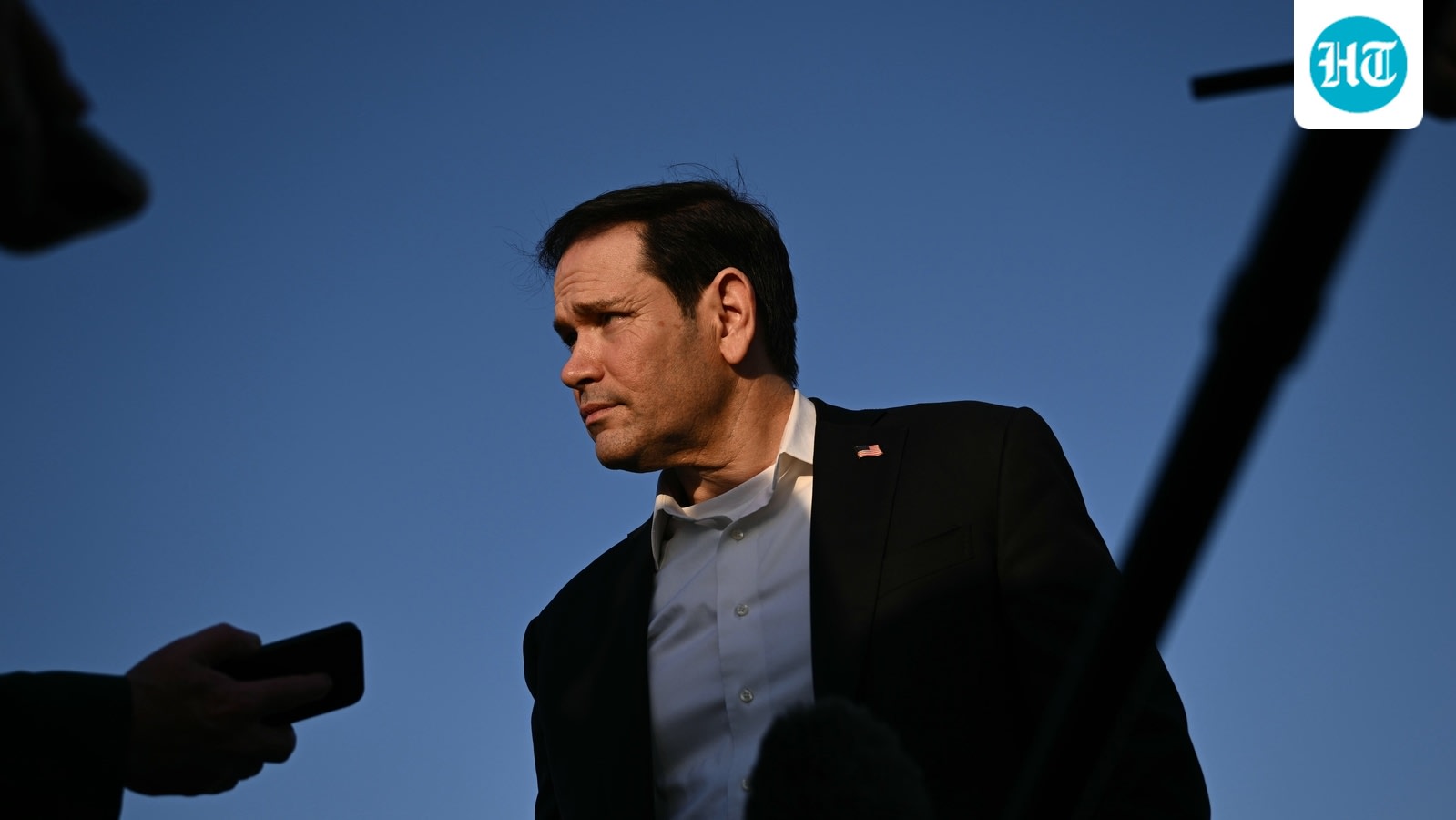
Secretary of State Marco Rubio has dismissed recent Iran negotiations as unproductive, citing 'outrageous' demands from Tehran. Meanwhile, President Trump signaled that military strikes remain unlikely if diplomatic progress continues, impacting global energy markets.
Stalled Diplomacy: Rubio Addresses the Iran Deadlock
United States Secretary of State Marco Rubio has publicly expressed skepticism regarding the current status of peace negotiations with Iran. Speaking to reporters from Homestead Air Reserve Base in Florida, Rubio characterized the ongoing diplomatic efforts as "not very productive," explicitly labeling Tehran's latest demands as "outrageous," "ridiculous," and "unacceptable." This assessment comes at a critical juncture as the administration attempts to navigate the complexities of Middle Eastern regional tensions.
The Gap Between Negotiation and Reality
The impasse appears to stem from a fundamental disagreement on the mechanics of the diplomatic process. Reports indicate that Iran recently proposed a significant compression of the timeline for restarting talks, moving from a seven-day window to a mere two-day window. Rubio’s rejection of these terms highlights the administration's frustration with what they perceive as unrealistic preconditions. While the United States remains engaged in mediation efforts facilitated by Qatar and Pakistan, the current rhetoric suggests that a breakthrough remains distant.
Trump’s Dual-Track Strategy
Despite the Secretary of State's pessimistic outlook, President Donald Trump has maintained a nuanced stance. In a recent interview with CNN, Trump indicated that military strikes against Iran are "highly unlikely" provided that progress continues toward a stable agreement. This duality—where the administration balances stern diplomatic rhetoric from the State Department with the President’s preference for avoiding military escalation—serves as a core pillar of the current U.S. foreign policy strategy in the region.
Broader Implications for Global Markets
The ripple effects of this diplomatic uncertainty are already being felt in the global economy. Following President Trump’s comments regarding the unlikelihood of military intervention, energy markets responded with a noticeable decline in Brent crude prices. This sensitivity underscores the market's reliance on the stability of the Middle East and the profound impact that even minor shifts in diplomatic posturing can have on global energy security and commodity pricing.
Future Outlook and Regional Stability
As Secretary Rubio travels to Paris for the G7 Foreign Ministers' meeting, the focus will likely shift to aligning international partners behind the U.S. approach to the Iranian impasse. The administration has reiterated that while President Trump prefers diplomatic solutions, such outcomes are not guaranteed. The coming weeks will be decisive in determining whether the mediation efforts by Qatar and Pakistan can bridge the "outrageous" gap identified by Rubio or if the region will face a further period of heightened tension and renewed diplomatic stalemate.
Multiple Citing Sources
Verification Required?