Inside the French drug gangs recruiting children to kill
Source Entity
BBC News
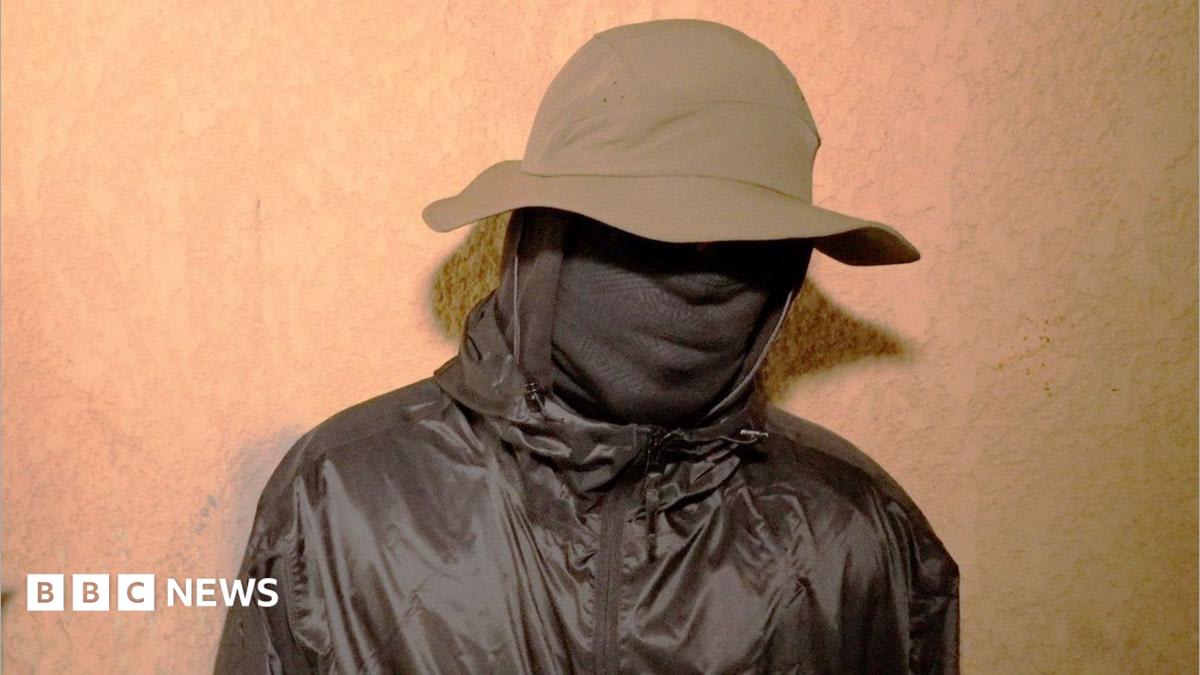
Drug gangs in Marseille, specifically the DZ Mafia, are increasingly exploiting children through social media to commit violent crimes. Recent court cases have exposed horrific instances of kidnapping, torture, and forced participation in murder.
The Dark Underbelly of Marseille: Child Exploitation in Drug Gangs
Recent investigations by the BBC and reports from French judicial proceedings have shed light on a harrowing trend within the French underworld: the systematic recruitment and exploitation of children by powerful drug syndicates. In cities like Marseille, gangs are no longer operating in the shadows of traditional organized crime but are actively leveraging social media to lure vulnerable teenagers with the promise of easy money. This modern evolution of gang recruitment has transformed young people into expendable assets, often trapping them in cycles of violence from which they cannot easily escape.
The Mechanics of Coercion and Captivity
The brutality of this system was laid bare during a recent court case involving two 15-year-old boys. Initially seeking employment within the drug trade, these teenagers were quickly subjugated by their handlers. When the gang alleged "shortfalls" in the boys' earnings, the situation devolved into systematic abuse. Evidence presented in court revealed that the captives were subjected to regular beatings, sexual violence, and psychological humiliation, including being forced to dance naked on camera. The discovery of their plight only came to light when one of the boys managed to pass a desperate handwritten note to a customer, pleading for help.
The Rise of the DZ Mafia
At the center of this disturbing narrative is the "DZ Mafia," a criminal organization identified as one of the most powerful in Europe. Following a violent and bloody turf war in 2023, the DZ Mafia has expanded its reach, recruiting teenagers not just from local neighborhoods, but from across France. This group has institutionalized extreme violence, creating "hit squads" composed of young recruits tasked with kidnappings and contract killings. Members of these squads have spoken openly about the callous nature of their work, describing public executions and acts of arson that occur in broad daylight.
Social Media and the Recruitment Crisis
The shift toward digital recruitment has made it significantly harder for French law enforcement to curb the influence of these syndicates. By using social media platforms to target disaffected youth, gangs can reach a broader demographic, bypassing traditional barriers to entry. This strategy not only provides a constant stream of low-cost, disposable labor but also insulates the gang leadership from the direct consequences of the violence carried out on the streets. The anonymity provided by digital platforms allows recruiters to target children who may feel isolated or economically disadvantaged.
Broader Implications and Future Trends
The normalization of such extreme violence by minors represents a profound crisis for French society. The testimony of a gang member awaiting trial—who expressed a chilling sense of "composure" regarding his involvement in murder—highlights the profound psychological desensitization occurring within these groups. As gangs like the DZ Mafia continue to professionalize their hit squads, the threat to public safety in urban areas grows exponentially. Without a comprehensive strategy to combat both the digital recruitment pipelines and the socio-economic factors that drive children into the hands of these gangs, the cycle of violence is likely to persist.
Conclusion
The situation in Marseille serves as a grim indicator of how organized crime is evolving to exploit the digital age. By turning children into perpetrators and victims of the most heinous crimes, these gangs are eroding the fabric of local communities. The transition from minor drug dealing to orchestrated "hit squads" marks a dangerous escalation that requires urgent attention from both law enforcement and social support systems to prevent further loss of life.