Banana producers in Latin America want better pay to cope with effects of climate crisis
Source Entity
Sarah Butler
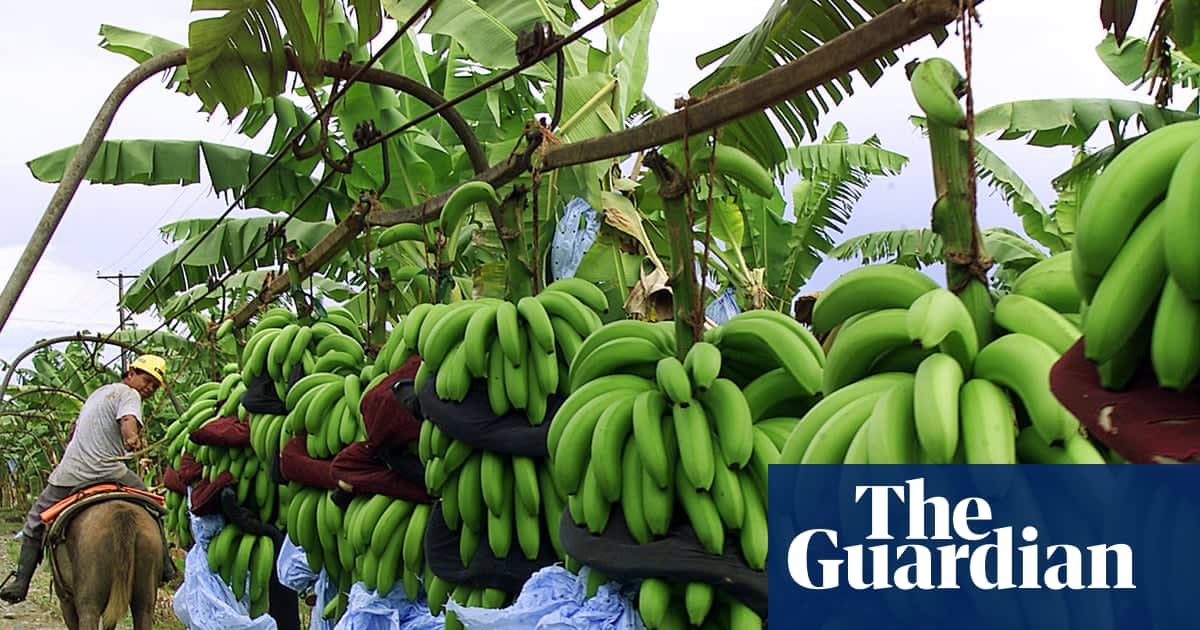
Latin American banana producers are demanding higher wages to offset significant production losses caused by the recent super El Niño event. Extreme weather, including droughts and floods, has severely impacted yields, threatening the livelihoods of farmers across the region.
The Climate Crisis and the Future of Banana Production
Banana producers across Latin America have issued a stark call for increased compensation, citing the catastrophic impact of the recent super El Niño event on their agricultural yields. As climate volatility intensifies, the delicate balance of banana cultivation—a staple of the global fruit trade—is being disrupted by erratic weather patterns that threaten both the economic stability of farmers and the security of international supply chains.
The Direct Impact of Extreme Weather
The current crisis is not merely a localized issue but a systemic shock driven by extreme meteorological events. In Colombia, high winds have decimated crops, while heavy, unseasonal rainfall in Peru and Ecuador has impeded harvest cycles and damaged soil integrity. These events directly correlate with the super El Niño, which has altered regional climates, forcing farmers to operate in increasingly hostile environments that undermine their productivity and financial viability.
Historical Precedents and Productivity Declines
Research provided by the Fairtrade Foundation underscores the severity of this trend by referencing previous El Niño cycles. During those periods, production plummeted significantly: a 13% drop in the Dominican Republic, 22% in Ecuador, and 6% in other key regions. These figures serve as a grim baseline for what producers are currently experiencing, highlighting a pattern of recurring instability that prevents farmers from planning long-term investments in their land.
Economic Pressures and Ethical Trade
The demand for higher pay is an economic necessity for survival. As production costs rise due to the need for climate-resilient infrastructure and recovery efforts, current market prices often fail to reflect the environmental risks inherent in banana farming. Producers are essentially absorbing the costs of climate change, a situation that the Fairtrade Foundation and other ethical trade bodies argue is unsustainable for the long-term viability of the industry.
Broader Implications for Global Markets
For major markets like the UK, which rely heavily on Latin American imports, these production drops pose a significant threat to supply chain consistency. With forecasts suggesting that drought conditions will persist or worsen in regions like the Dominican Republic, consumer nations must prepare for potential price volatility. This situation reflects a broader, global shift where climate-vulnerable nations are forced to renegotiate trade terms to account for the reality of environmental degradation.
Conclusion: A Call for Sustainable Change
Ultimately, the plea from Latin American banana producers is a microcosm of the larger global struggle to align agricultural economics with climate reality. Without a shift toward fairer compensation that accounts for climate-related losses, the industry risks losing a generation of farmers who are currently unable to cope with the mounting financial burdens of extreme weather. Addressing this pay gap is not just an ethical imperative but a practical requirement to ensure the future of global food security.