60% rebate spurs B-Khata conversion, but fails to attract substantial interest
Source Entity
India Latest News: Top National Headlines Today & Breaking News | The Hindu
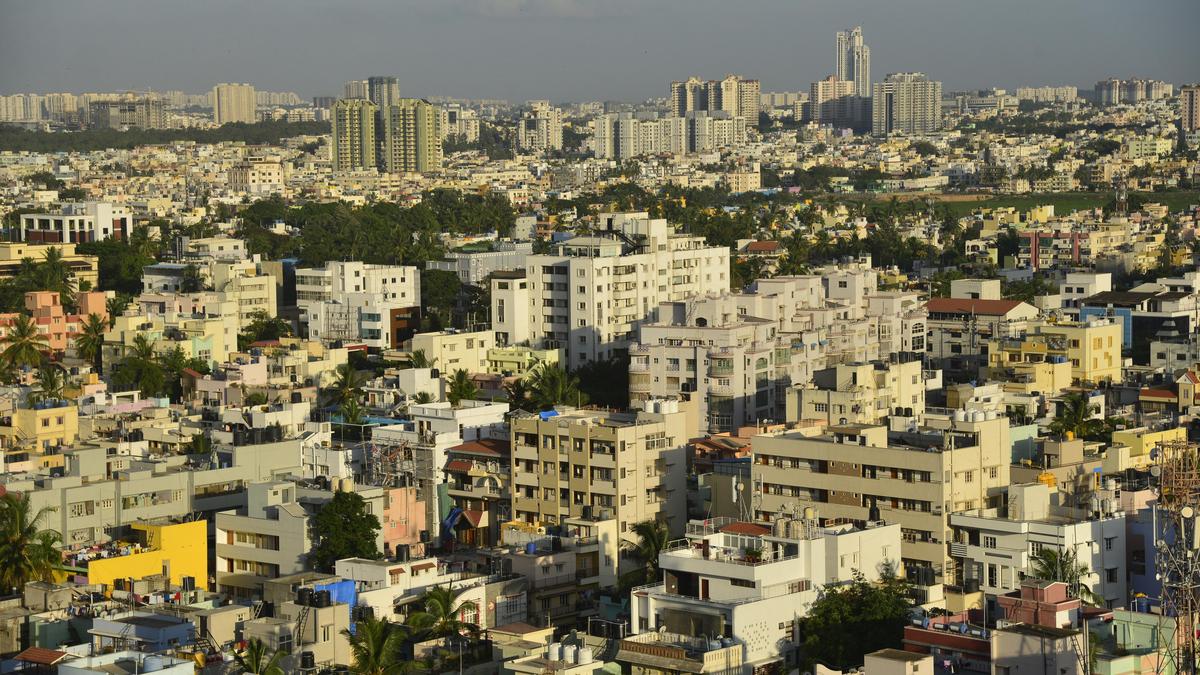
The Greater Bengaluru Authority reports a surge in B-Khata to A-Khata conversion applications following a 60% fee reduction. Despite 60,000 applications, only 10% of eligible properties have participated, highlighting ongoing challenges in formalizing land records.
The B-Khata Conversion Dilemma: Analyzing Bengaluru’s Property Formalization
A Surge in Last-Minute Compliance
As the deadline for the rebate period on B-Khata to A-Khata conversion reached its conclusion, the Greater Bengaluru Authority (GBA) witnessed a significant spike in activity. According to data accessed by The Hindu, 13,000 applications were filed within the final five days, reflecting a trend of last-minute compliance among property owners. This rush underscores the efficacy of financial incentives in mobilizing public participation in administrative processes, yet it also highlights the systemic inertia that often plagues urban property documentation.
The Economics of the Conversion Rebate
The government’s decision to lower conversion charges from 5% to 2% of the area’s guidance value was a strategic response to an initially underwhelming public response. By effectively offering a 60% rebate, authorities aimed to bridge the gap between the formal and informal property markets. With 60,000 applications now recorded, the GBA estimates a total revenue generation of ₹402.21 crore. This figure serves as a critical benchmark for the fiscal potential of property regularization, yet it is juxtaposed against the vast number of properties that remain outside the formal A-Khata framework.
The Scale of Informal Property Holdings
Despite the flurry of recent applications, the broader reality remains sobering. With an estimated six lakh B-Khata properties in Bengaluru, the current 60,000 applications represent a mere 10% conversion rate. This low participation rate suggests that even with significant financial concessions, many property owners remain hesitant or unable to formalize their holdings. This disparity points toward deeper structural issues, perhaps rooted in legal complexities, documentation hurdles, or a lack of trust in the long-term benefits of the transition.
Historical Context and Administrative Hurdles
Historically, the B-Khata designation has served as a temporary or semi-legal status for properties that do not meet all criteria for the more prestigious A-Khata, which denotes full compliance with local building bye-laws and tax regulations. The transition process is designed to streamline urban planning and tax collection. However, the reluctance of the remaining 90% of owners suggests that the cost—even at the reduced 2% rate—may still be perceived as burdensome, or that the process of obtaining an A-Khata remains prohibitively complex for the average citizen.
Future Trends and Policy Implications
Looking ahead, the GBA faces a significant challenge in converting the remaining vast majority of B-Khata properties. The current data indicates that while price incentives work to an extent, they are not a panacea for property regularization. Future policy shifts may need to focus on simplifying the administrative workflow, increasing public awareness about the long-term legal security provided by an A-Khata, or implementing more aggressive outreach programs. If the GBA intends to bring the remaining 5.4 lakh properties into the formal fold, it will likely require a multi-pronged approach that goes beyond temporary rebates to address the core barriers that keep property owners in the informal sector.
Verification Required?