This mom spent $2,000 on her kindergartner as viral ‘back-to-school hauls’ on TikTok and YouTube spin out of control
Source Entity
Genna Contino
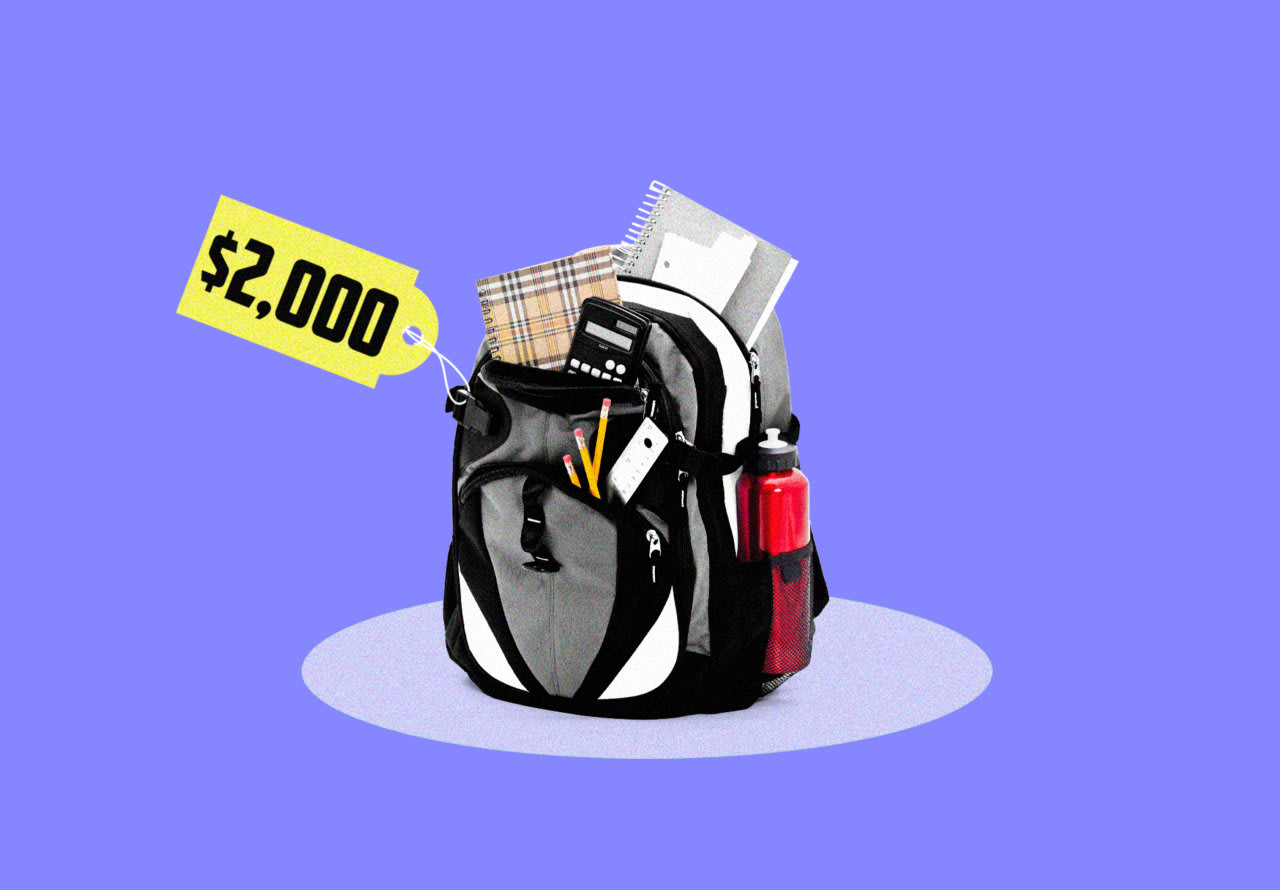
Surging inflation and viral social media trends are driving parents to overspend on back-to-school supplies. Families are increasingly breaking budgets to keep up with competitive 'haul' content on platforms like TikTok and YouTube.
The Rising Cost of Academic Performance: A Social Media Crisis
In recent years, the ritual of preparing for the academic year has undergone a profound transformation, moving from a practical necessity to a highly performative digital spectacle. As evidenced by reports of parents spending upwards of $2,000 for a single kindergartner’s supplies, the traditional 'back-to-school' shopping trip is being overshadowed by a culture of excess. This shift is not merely a matter of personal choice but is heavily influenced by viral trends on TikTok and YouTube, where influencers and peers showcase extravagant hauls, setting an increasingly unattainable standard for the average household.
The Intersection of Inflation and Influencer Culture
The economic climate currently facing families is defined by persistent inflation, which has systematically increased the price of basic school necessities, from stationery to electronics. When these baseline economic pressures collide with the aspirational content prevalent on social media, the result is a significant strain on family finances. Parents are finding themselves caught in a cycle where social expectations, amplified by viral video formats, compel them to exceed their financial means to ensure their children do not feel marginalized compared to their peers.
The Psychology of 'Haul' Videos
'Back-to-school hauls' have become a dominant subgenre of content creation, leveraging the psychological desire for social belonging and aesthetic perfection. By documenting the accumulation of high-end supplies, these videos create a feedback loop of consumption. For a kindergartner, this might mean specialized gear or branded items that go far beyond the requirements of a basic curriculum. This trend effectively gamifies the shopping experience, turning the mundane task of buying pencils and notebooks into a competitive display of material wealth.
Broader Implications for Household Stability
The long-term implications of this trend are concerning for household financial health. When parents prioritize high-visibility spending to satisfy social media-driven demands, they often deplete funds meant for other essential areas, such as emergency savings or long-term investments. This behavior mirrors wider consumer patterns seen in other sectors, but the focus on education—a domain traditionally associated with practical preparation—makes the impact particularly acute.
Future Trends and Financial Literacy
Looking forward, the trajectory suggests that without a shift in consumer consciousness, the pressure on parents will likely escalate. As digital platforms continue to prioritize high-production-value content, the barrier for what constitutes a 'normal' back-to-school preparation will continue to climb. Experts suggest that addressing this issue will require a dual approach: increased financial literacy for parents to navigate social media pressures and a critical examination of how platforms incentivize consumption among vulnerable demographics.
Conclusion
The phenomenon of overspending on school supplies reflects a deeper societal shift where digital validation often takes precedence over prudent financial planning. While inflation provides the backdrop of hardship, social media acts as the catalyst for the current crisis of excess. Ultimately, parents and consumers must navigate the tension between participating in modern digital culture and maintaining the financial stability necessary for a secure future.
Verification Required?