Bandra gets a ₹1,722-crore VBSL link to Fort — will it ease traffic?
Source Entity
Sabah Virani
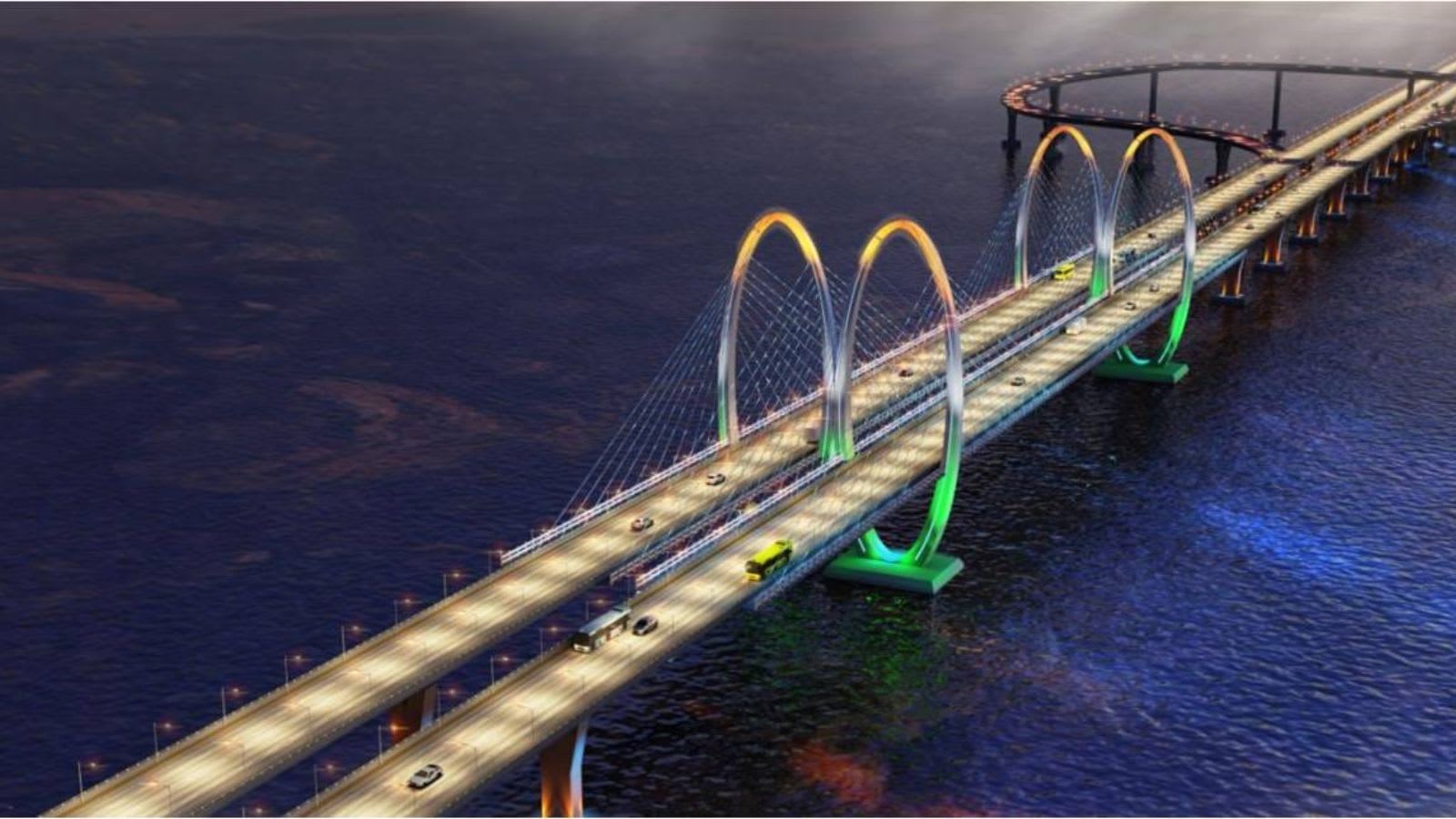
The newly inaugurated Bandra-Versova Sea Link (VBSL) extension project, costing ₹1,722 crore, aims to alleviate Mumbai's chronic traffic congestion. This infrastructure development seeks to connect the northern suburbs more efficiently to the southern business hubs, though its long-term impact on commute times remains a subject of debate.
The Strategic Expansion of Mumbai's Coastal Infrastructure
The inauguration of the Bandra-Versova Sea Link (VBSL) extension project, representing a massive investment of ₹1,722 crore, marks a pivotal shift in Mumbai’s urban planning strategy. By creating a direct corridor from the northern suburbs toward the Fort district, the project addresses the long-standing bottleneck that has historically plagued the city’s North-South transit. As a coastal city geographically constrained by its linear expansion, Mumbai has long relied on arterial roads that are perpetually overwhelmed; this project serves as a crucial relief valve for the city’s overburdened Western Express Highway.
Economic Implications and Connectivity
The economic vitality of Mumbai is inextricably linked to the efficiency of its transport networks. Connecting Bandra to Fort through this high-capacity link is designed to reduce the logistical friction for thousands of commuters and commercial vehicles daily. By facilitating a faster transit route to the southern business district, the project is expected to boost productivity and potentially decentralize the pressure on the existing transport infrastructure. The integration of such massive capital expenditure highlights the government's focus on modernizing urban mobility to sustain the city's status as India's financial capital.
Addressing Chronic Traffic Congestion
Traffic congestion in Mumbai is not merely an inconvenience but a significant drain on the city’s economic output. The VBSL project is a technical response to the exponential growth in vehicular density that has outpaced road capacity over the last two decades. While the ₹1,722-crore investment is substantial, the efficacy of this project will ultimately be measured by its ability to maintain fluid traffic flow during peak hours. Analysts are watching closely to see if the reduction in transit time will justify the high cost of construction and the environmental challenges associated with coastal infrastructure.
Historical Context and Urban Development
Mumbai’s history is defined by its infrastructure evolution, from the early suburban railway lines to the more recent Bandra-Worli Sea Link. The VBSL extension is a logical progression in this timeline, reflecting a broader trend of shifting towards sea-based transit to bypass the congested urban core. This project aligns with the city's master plan to integrate disparate suburban nodes into a cohesive, high-speed network. Unlike previous projects that focused primarily on connectivity, this initiative emphasizes speed and the mitigation of the 'commuter fatigue' that defines the daily experience of the average Mumbaikar.
Future Trends and Sustainability
Looking ahead, the success of the VBSL link will likely dictate the trajectory of future infrastructure projects in the city. If this project effectively decongests the arterial roads, it may set a precedent for further coastal developments. However, the long-term sustainability of such projects remains a concern, particularly regarding environmental impact and the maintenance of marine ecosystems. The future of Mumbai’s transit will likely hinge on a hybrid approach that combines high-cost infrastructure projects like the VBSL with the strengthening of public transport systems, ensuring that the city remains navigable as its population continues to surge.