Bangladesh busts alleged extremist network masquerading as ‘martial arts group’
Source Entity
The Indian Express
The Express Global Desk at indianexpress.com which delivers authoritative, verified, and context-driven coverage of key international developments shaping global politics, policy, and migration trends...
Security Breach and Deception: The Dismantling of a Radical Front
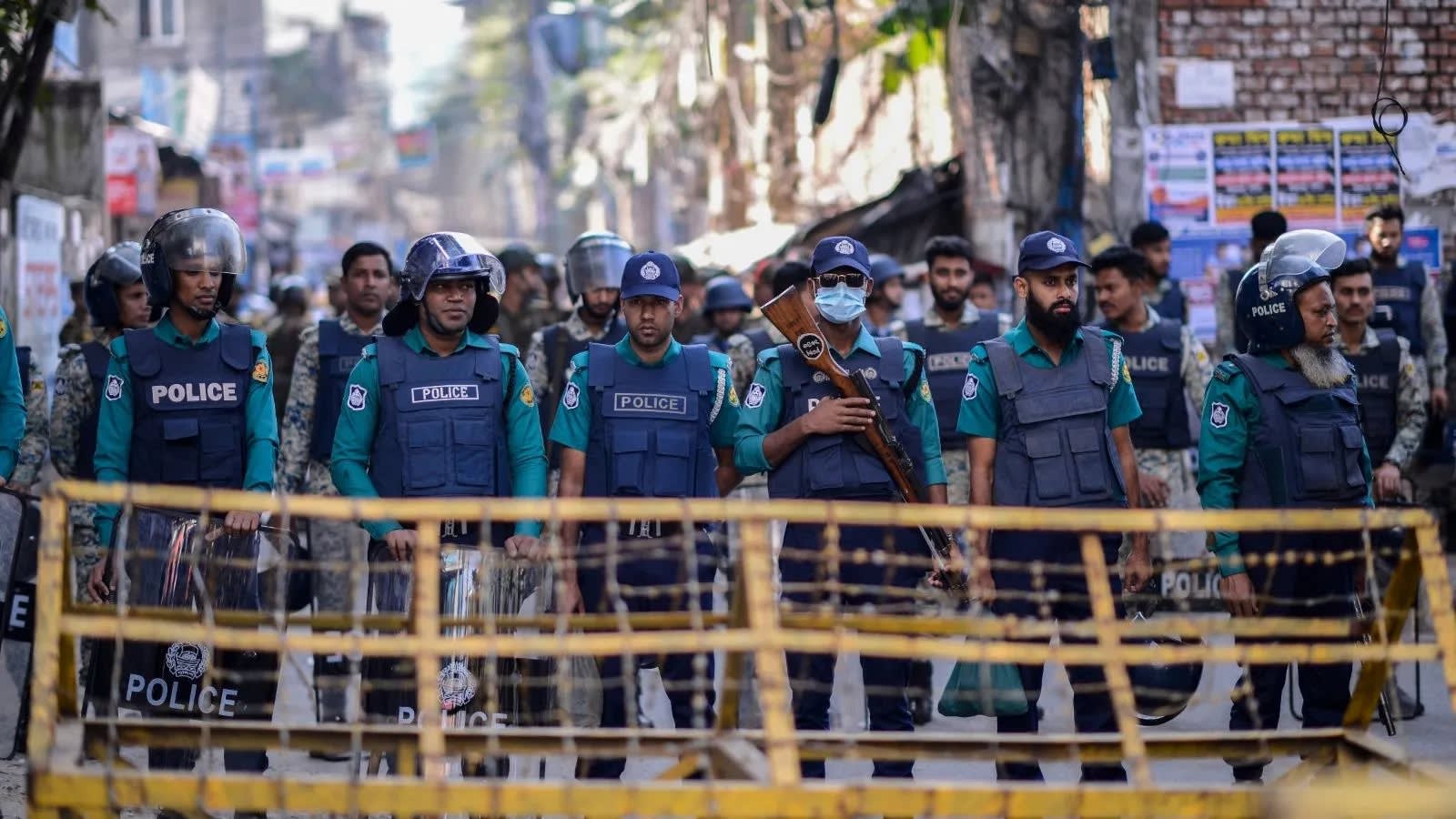
In a significant counter-terrorism operation, security forces in Bangladesh have successfully uncovered and dismantled an alleged extremist network that had been operating in plain sight. The group utilized a highly deceptive strategy, masquerading as a martial arts organization to shield its true intentions from state intelligence and the general public. This operation highlights the persistent struggle the Bangladeshi government faces in curbing domestic radicalization and the evolving nature of how extremist cells organize themselves in the 21st century.
The Strategy of Camouflage
The use of a martial arts front is a calculated tactic designed to provide a legitimate cover for activities that would otherwise trigger immediate security alarms. By promoting physical fitness, discipline, and self-defense, the network was able to attract young men and adolescents without raising suspicion. This 'camouflage' allowed the group to conduct regular gatherings, establish a hierarchy of command, and foster a sense of brotherhood and loyalty among recruits, all while maintaining the appearance of a community sports club. The physical training likely served a dual purpose: building the stamina and combat readiness of the recruits while simultaneously providing a plausible explanation for their rigorous schedules and secretive behavior.
Implications for Internal Security
This bust reveals a worrying trend regarding the sophistication of sleeper cells within Bangladesh. The ability of such a network to operate undetected suggests a deep understanding of local surveillance gaps. For security agencies, this incident underscores the reality that extremism is no longer confined to traditional madrasas or isolated rural pockets; it has permeated urban social structures and integrated itself into seemingly benign recreational activities. The psychological aspect of this recruitment—blending the prestige of martial arts with radical ideology—makes the indoctrination process more insidious and harder to detect through standard monitoring.
Regional Context and Extremist Trends
Looking at the broader South Asian landscape, the tactic of using front organizations is not unprecedented, but the specific use of a sports-based facade in this instance is notable. Radical groups in the region have historically shifted their methods from overt violence to covert infiltration to survive state crackdowns. By embedding themselves within the social fabric, these groups aim to create a 'shadow society' where they can operate with minimal interference. This specific event reflects a global trend where extremist entities adopt 'hybrid identities' to bypass digital and physical surveillance, making the job of counter-intelligence significantly more complex.
The Government's Counter-Terrorism Response
The successful dismantling of this network is a testament to the improved intelligence-sharing and proactive surveillance measures adopted by the Bangladeshi authorities. It indicates a shift toward a more granular approach to security, where intelligence is gathered not just from high-level informants but from community-level anomalies. The government's decision to publicly announce the bust serves as both a deterrent to other potential cells and a warning to the public to remain vigilant about the organizations their children and youth are joining.
Future Outlook and Vigilance
Moving forward, this event will likely prompt a comprehensive review of how non-governmental organizations, sports clubs, and community centers are registered and monitored in Bangladesh. Security agencies are expected to implement more stringent vetting processes for groups that provide specialized training to youth. The long-term challenge remains the ideological battle; while the physical network has been broken, the underlying grievances and vulnerabilities that allow such groups to recruit will persist. Future stability will depend on the state's ability to provide alternative avenues for youth engagement that counter the allure of radicalized 'brotherhoods'.
Summary
The bust of the martial arts-fronted extremist network is a critical victory for Bangladesh's internal security. It exposes the dangerous intersection of physical training and ideological radicalization, proving that extremist networks are increasingly adept at blending into the social mainstream. While the immediate threat posed by this specific cell has been neutralized, the event serves as a catalyst for a broader strategic shift in how the state monitors community-based organizations to prevent future infiltrations.