Bangladesh PM's proposed India visit conditional on Hasina extradition, officials say
Source Entity
TOI WORLD DESK
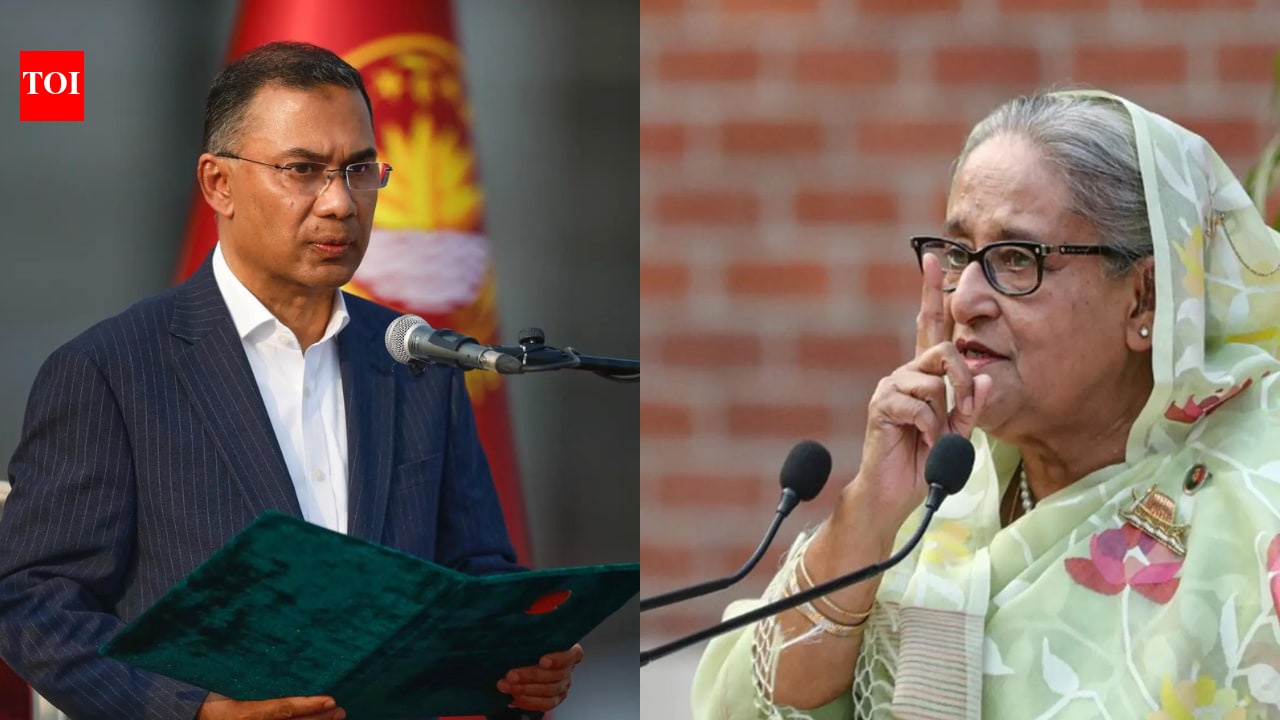
Bangladesh has conditioned Prime Minister Tarique Rahman’s official visit to India on the extradition of former leader Sheikh Hasina. Dhaka insists that Hasina’s continued presence in India and her public criticisms have hindered bilateral relations.
Diplomatic Standoff: The Extradition Condition
The current diplomatic landscape between Bangladesh and India is defined by a significant impasse centered on the fate of former Prime Minister Sheikh Hasina. Following her departure during the 2024 uprising, Hasina sought refuge in India, where she remains a contentious figure. The Bangladeshi government, now led by Prime Minister Tarique Rahman, has explicitly stated that any high-level state visit to New Delhi is contingent upon India expediting the extradition of the former premier to face justice for convictions related to crimes against humanity.
The Erosion of Bilateral Trust
The relationship between the two nations has been strained by what Dhaka describes as a "vitiated" environment. A primary friction point is the continued public engagement of Sheikh Hasina from Indian soil. Specifically, a virtual press conference held by Hasina on August 5, 2026, wherein she openly criticized the current administration of Prime Minister Rahman, was viewed by Dhaka as a direct provocation. Consequently, the Bangladeshi Foreign Ministry maintains that a "propitious environment" for diplomatic dialogue cannot exist while such interactions persist.
Official Stances and Recent Communications
Recent diplomatic efforts have been marked by caution. While there was media speculation regarding a potential visit by Prime Minister Rahman to India, Foreign Ministry official A.K.M. Shahidul Karim has actively downplayed these reports. The administration insists that the necessary conditions for such a visit have not been met. This stance was reinforced during a meeting between the Indian High Commissioner to Bangladesh, Dinesh Trivedi, and Prime Minister Rahman on August 10, 2026. While the Bangladeshi Foreign Minister, Khalilur Rahman, noted he felt "somewhat reassured" by the exchange, the core demand for extradition remains the non-negotiable benchmark for progress.
Historical Context and Legal Implications
The political fallout from the 2024 uprising has left a deep scar on the regional geopolitical fabric. Sheikh Hasina, having been convicted of severe charges including crimes against humanity, faces the death penalty under Bangladeshi law. The request for her return is not merely a political maneuver but a legal imperative for the current government, which seeks to establish its legitimacy by enforcing judicial outcomes from the post-uprising transition period.
Future Trends and Regional Stability
Looking ahead, the trajectory of India-Bangladesh relations depends heavily on how New Delhi navigates the delicate balance between hosting an ally and maintaining functional ties with the current Dhaka administration. If the extradition process remains stalled, it is likely that high-level diplomatic visits will continue to be postponed, potentially deepening the isolation of the current leadership. Conversely, should India move to address these concerns, it could signal a thaw in relations, though such a move would require complex legal and diplomatic maneuvering given the international scrutiny surrounding the case.