‘No one talks to anyone’: Noida woman opens up about loneliness in high-rise societies
Source Entity
Latest News: Todays Latest News Headlines from India & World | Hindustan Times | Hindustan Times
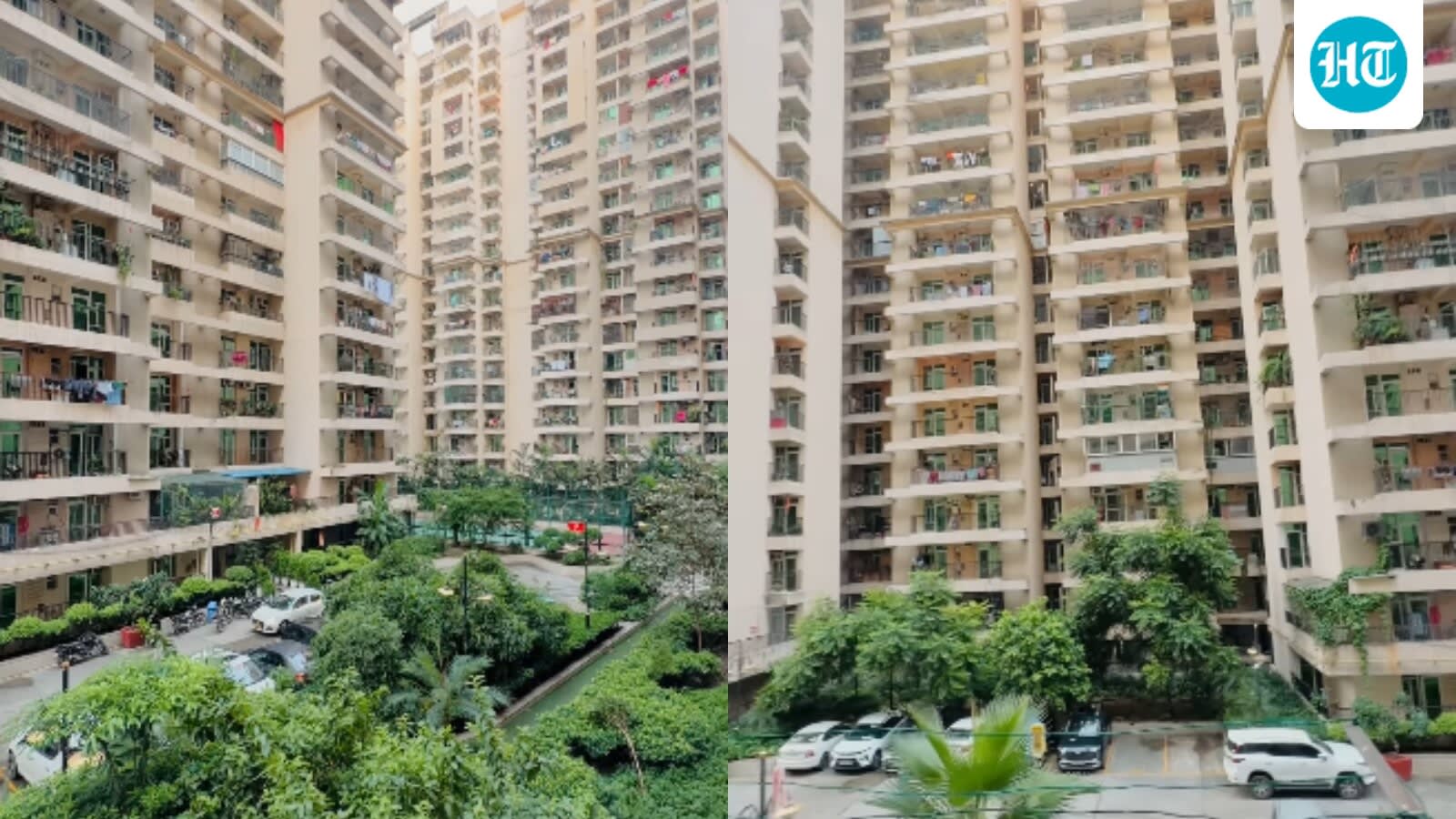
A Noida resident's viral video highlighting the profound sense of isolation in high-rise societies has sparked a nationwide discussion on urban loneliness. Despite being surrounded by hundreds of neighbors, modern apartment living often lacks genuine community connection.
The Paradox of Proximity: Loneliness in Modern High-Rises
In a recent social media discourse, Namita Shukla, a resident of Noida, has brought to light an increasingly common urban phenomenon: the experience of profound loneliness within densely populated high-rise societies. Despite being physically surrounded by hundreds of neighbors, Shukla’s reflection underscores a growing disconnect where proximity does not equate to community. This narrative highlights a structural and social challenge in modern residential planning, where architectural density often fails to foster meaningful human interaction.
The Illusion of Community in Vertical Housing
Modern high-rise complexes are designed for efficiency and security, yet they often inadvertently prioritize privacy over social cohesion. Shukla’s account illustrates that while residents live just meters away from one another, the lack of shared communal spaces or organic opportunities for interaction leads to a 'stranger in a crowd' dynamic. This creates a paradox where residents feel isolated despite living in environments that should theoretically promote social integration.
The Impact of Modern Urban Lifestyles
This isolation is not merely a product of building design but also a reflection of the fast-paced, transactional nature of contemporary urban life. As people prioritize personal space and security, the informal social networks that once defined residential neighborhoods have eroded. The 'no one talks to anyone' sentiment expressed by Shukla resonates with many, suggesting that the digital age has further shifted social interaction away from physical community spaces, leaving high-rise residents feeling emotionally detached from their immediate environment.
Psychological Implications of High-Density Isolation
Living in a state of 'crowded isolation' can have significant psychological impacts. When individuals lack a sense of belonging within their living space, the feeling of being 'surrounded' can actually exacerbate stress and anxiety. The architectural coldness of high-rises often offers little in the way of emotional comfort, shifting the focus of the home from a social hub to a solitary sanctuary. This is further evidenced by reports of residents becoming 'emotionally dependent' on their views or individual units, as they lack external social outlets within their own buildings.
Future Trends and Urban Planning
As urbanization continues to push populations into vertical living, the need for 'community-centric' design becomes critical. Architects and urban planners must consider how to integrate common areas that encourage interaction rather than just transit. Future trends will likely see a push for more intentional community programming within residential societies to combat this pervasive loneliness. Without a shift in how these spaces are utilized, the modern high-rise risks becoming a collection of isolated units rather than a cohesive, supportive community.
Conclusion
Namita Shukla’s viral reflection serves as a poignant reminder that human connection is a vital component of urban health. While high-rise living offers modern amenities and elevated views, it currently struggles to address the fundamental human need for social belonging. Addressing this issue requires a collective effort from residents to engage with their neighbors and a structural commitment from developers to foster environments that facilitate genuine connection rather than just co-existence.
Verification Required?