Bangladesh sets Sheikh Hasina's extradition as condition for PM Tarique Rahman’s India visit
Source Entity
Latest News: Todays Latest News Headlines from India & World | Hindustan Times | Hindustan Times
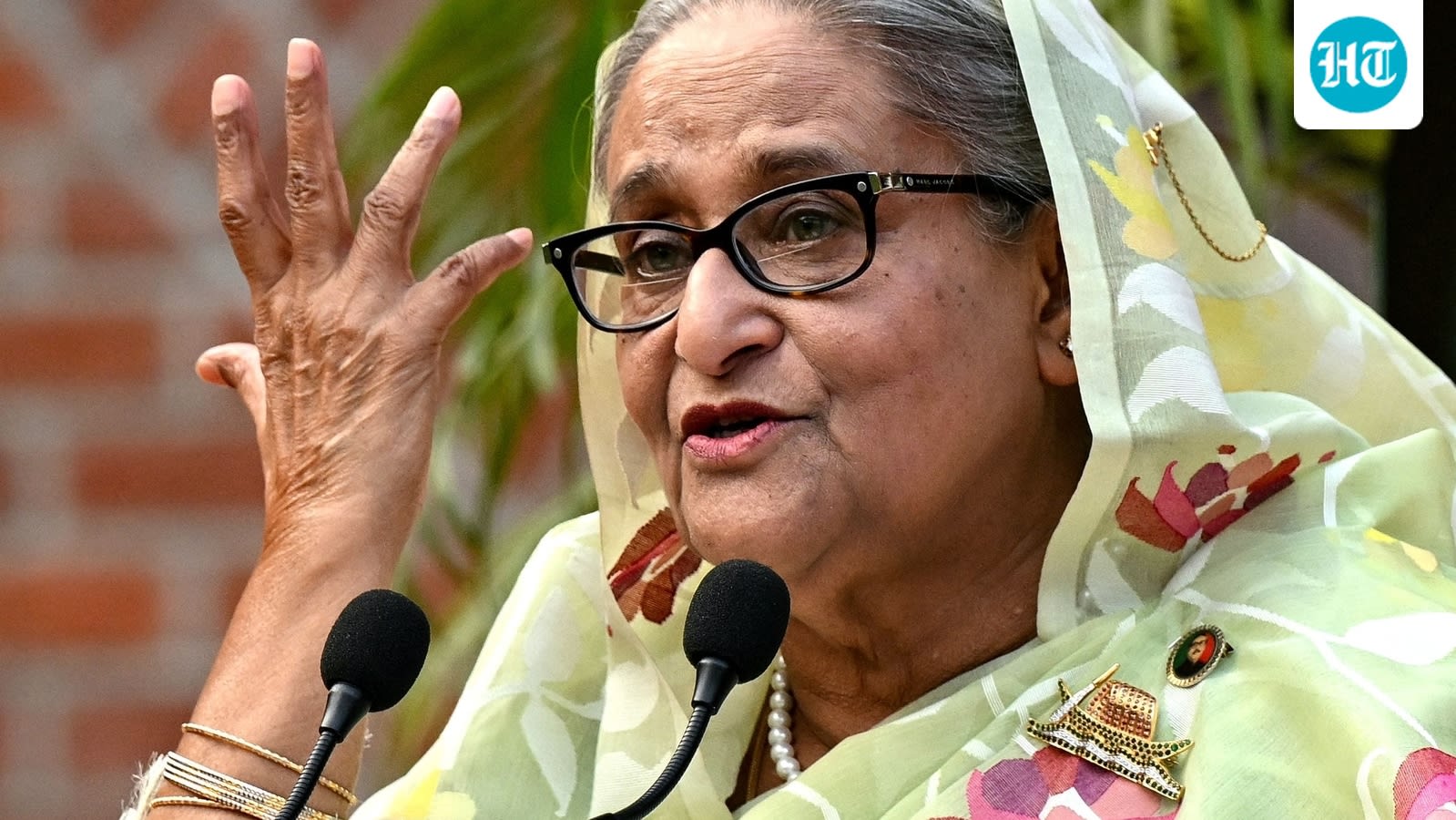
Bangladesh has formally conditioned Prime Minister Tarique Rahman’s visit to India on the extradition of former leader Sheikh Hasina. Dhaka cites Hasina's recent media presence as a major obstacle to creating a 'propitious environment' for bilateral diplomatic engagement.
Diplomatic Standoff: The Extradition Crisis
The bilateral relationship between Bangladesh and India has reached a critical juncture following the 2024 political uprising that saw the ousting of former Prime Minister Sheikh Hasina. The current administration, led by Prime Minister Tarique Rahman, has explicitly linked the possibility of an official state visit to India to the extradition of Hasina, who currently resides in India. This move underscores a significant shift in regional dynamics and highlights the deep-seated grievances Dhaka holds regarding the presence of its former leader on Indian soil.
The 'Propitious Environment' Requirement
Foreign Ministry official A.K.M. Shahidul Karim has emphasized that a "propitious environment" must be established before any high-level diplomatic visits can occur. Dhaka has expressed frustration over what it describes as a "vitiated" atmosphere, exacerbated by Sheikh Hasina’s recent virtual press conferences. By utilizing media platforms to criticize the current Bangladeshi government from her place of sanctuary, Hasina has effectively complicated the diplomatic efforts of Indian officials attempting to maintain stable ties with the new administration.
Legal and Political Implications
Sheikh Hasina faces severe legal consequences in Bangladesh, including convictions for crimes against humanity and potential death sentences. The urgency with which the Bangladeshi government is pressing for her return is not merely symbolic; it is a fundamental pillar of their current domestic political legitimacy. For Prime Minister Rahman, securing the return of his predecessor is essential to consolidating power and addressing the transitional justice demands of the post-2024 uprising landscape.
High-Level Engagements and Reassurance
The recent meeting between Indian High Commissioner Dinesh Trivedi and Prime Minister Tarique Rahman suggests that back-channel diplomacy remains active despite the public posturing. While Foreign Minister Khalilur Rahman noted feeling "somewhat reassured" by the dialogue, the core demand remains unfulfilled. The exchange of views on "matters of mutual interest" indicates that both nations recognize the necessity of cooperation, even as they navigate the volatile issue of political asylum and extradition.
Regional Stability and Future Trends
The trajectory of Indo-Bangladesh relations will likely remain tense until a clear resolution regarding Hasina's status is reached. If India continues to provide shelter, Dhaka may continue to withhold high-level diplomatic normalization, potentially impacting trade, security, and border management cooperation. Conversely, an expedited extradition process could serve as a reset button, though it would present significant legal and diplomatic challenges for New Delhi. As both nations balance domestic pressures against geopolitical stability, the coming months will be defining for their long-term strategic partnership.
Multiple Citing Sources
Verification Required?