Bank of Korea raises rates to 2.75% in first hike in over three years
Source Entity
US Top News and Analysis
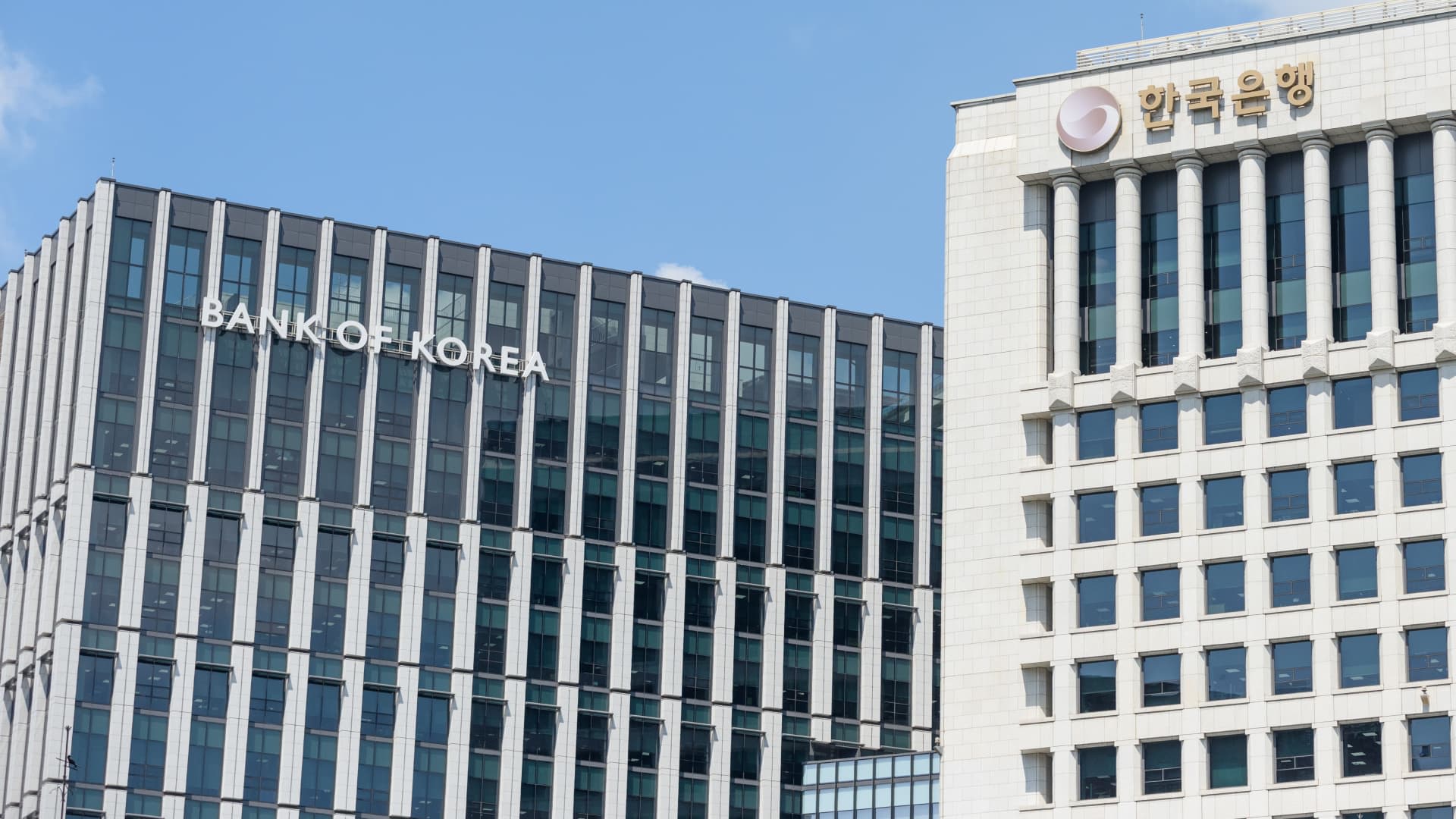
The Bank of Korea has increased its benchmark interest rate by 25 basis points to 2.75%, marking its first rate hike in over three years and aligning with expectations from economists.
Analysis: Bank of Korea's Strategic Pivot to Monetary Tightening
The Shift in Monetary Policy
In a significant move to recalibrate its monetary stance, the Bank of Korea (BOK) has raised its benchmark interest rate by 25 basis points, bringing the total rate to 2.75%. This decision is particularly noteworthy as it represents the first rate hike in more than three years, signaling an end to a prolonged period of relative stability or easing. By implementing this increase, the BOK is signaling a transition toward a more restrictive monetary policy, likely aimed at curbing inflationary pressures and stabilizing the domestic economy after a long hiatus from rate adjustments.
Market Alignment and Economic Expectations
One of the most critical aspects of this announcement is that the hike was not a surprise to the financial community. According to a survey of economists conducted by Reuters, the 25 basis point increase was widely anticipated. When central bank actions align closely with market expectations, it typically prevents sudden shocks to the stock and bond markets, as investors have already "priced in" the move. This alignment suggests that the BOK has successfully communicated its trajectory to the markets, ensuring that the transition to higher rates is managed smoothly without triggering excessive volatility in the Korean Won or equity markets.
Historical Context: From Pandemic Recovery to Normalization
The three-year gap between rate hikes provides essential historical context. For much of the last few years, central banks globally—including the BOK—maintained low interest rates to stimulate economic growth and provide liquidity in the wake of the COVID-19 pandemic. This era of "cheap money" was designed to prevent economic collapse and encourage borrowing and investment. However, the current hike indicates that the BOK now believes the economy has reached a stage where such stimulus is no longer necessary, or worse, is contributing to overheating and inflation, necessitating a return to "normalization."
Broader Implications for Households and Debt
While the hike is a tool for macroeconomic stability, it carries significant implications for the South Korean populace. South Korea is known for having one of the highest household debt-to-GDP ratios in the developed world. A rise in the benchmark rate directly impacts floating-rate mortgages and consumer loans, increasing the cost of borrowing for millions of citizens. This creates a delicate balancing act for the BOK: they must raise rates enough to fight inflation and support the currency, but not so aggressively that they trigger a wave of defaults or a severe contraction in private consumption.
Global Interconnectivity and Currency Stability
The BOK does not operate in a vacuum; its decisions are heavily influenced by the actions of other major central banks, most notably the U.S. Federal Reserve. When the Fed raises rates, there is often pressure on other nations to follow suit to prevent capital flight and the depreciation of their own currencies. By raising rates to 2.75%, the BOK is likely attempting to maintain a competitive interest rate differential to support the value of the Korean Won, ensuring that imports do not become prohibitively expensive, which would further fuel domestic inflation.
Future Outlook and Predictive Trends
Looking ahead, the BOK's decision likely sets the stage for a series of gradual adjustments rather than a one-off event. If inflation remains sticky or if global economic pressures persist, further hikes may be on the horizon. The focus will now shift to the BOK's upcoming policy meetings and data regarding the Consumer Price Index (CPI). Analysts will be watching for whether the bank continues this tightening cycle or pauses to assess the impact of the 2.75% rate on household spending and corporate investment.
Conclusion
The Bank of Korea's decision to raise rates to 2.75% is a calculated move to transition the economy from a period of pandemic-era support to a more sustainable, normalized environment. While the move was expected by experts and avoids immediate market panic, the long-term challenge will be managing the burden of increased borrowing costs on a highly leveraged population while maintaining currency stability in a volatile global market.