India raises taxes on diesel and jet fuel exports
Source Entity
The Indian Express
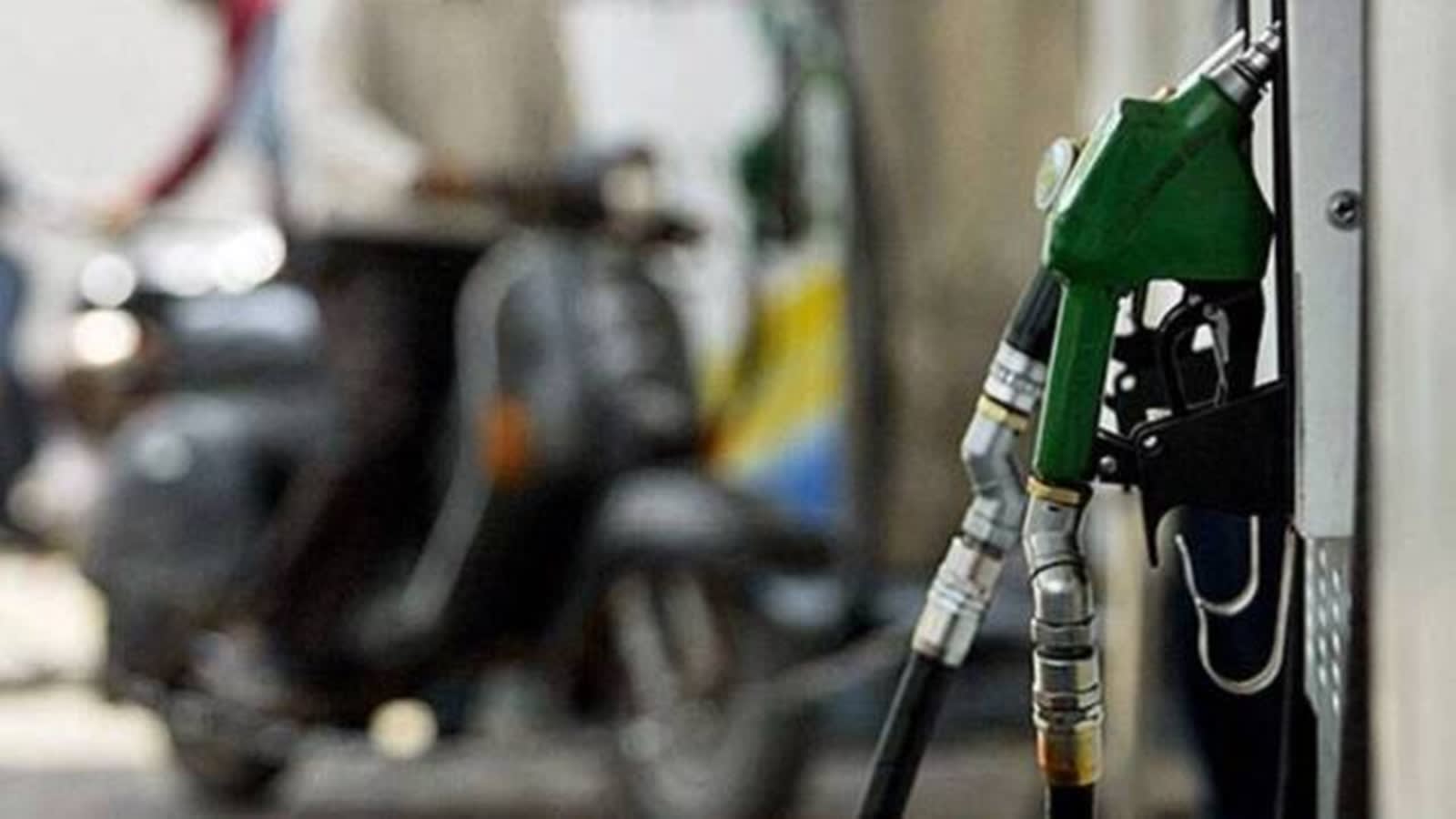
India has increased windfall taxes on diesel and aviation turbine fuel (ATF) exports effective July 16, responding to a surge in global oil prices triggered by the escalating U.S.-Iran conflict.
Strategic Fiscal Intervention Amidst Global Volatility
India's decision to hike windfall taxes on diesel and aviation turbine fuel (ATF) starting July 16 represents a strategic fiscal intervention aimed at capturing excess profits from oil refineries. This move is a direct response to the heightened volatility in the global energy market, specifically driven by the escalation of the U.S.-Iran conflict. By adjusting these taxes, the Indian government seeks to balance the profitability of its refining sector with the necessity of maintaining economic stability within its borders, ensuring that global price shocks do not destabilize the domestic market.
The Mechanics of Windfall Taxation
A windfall tax is designed to levy a charge on companies that earn unexpectedly large profits due to external factors beyond their control—in this case, the surge in global crude oil prices. For India, which possesses significant refining capacity, companies can generate massive margins when they import crude and export refined diesel and jet fuel at inflated global prices. By increasing these taxes, the government prevents "excessive" corporate gains while augmenting state revenue. This revenue can then be redirected toward public welfare projects or infrastructure, effectively redistributing the gains from global instability back into the national economy.
The U.S.-Iran Conflict and Energy Security
The catalyst for this tax hike is the escalation of the U.S.-Iran conflict, a geopolitical flashpoint that historically triggers oil price spikes. The Middle East remains the heart of global oil production, and any threat to the stability of the region—particularly near the Strait of Hormuz—creates fear of supply disruptions. As global prices climb, the incentive for Indian refineries to export refined products increases, potentially leading to a shortage or price hike for domestic consumers. The tax hike acts as a critical deterrent against excessive exporting during times of crisis, prioritizing national energy security over export-led profit maximization.
Balancing Export Profits with Domestic Stability
From a domestic standpoint, the Indian government must ensure that the availability of diesel and jet fuel remains steady to prevent inflationary pressure on transportation and aviation. Diesel is the lifeblood of India's logistics and agriculture sectors, while ATF is critical for the aviation industry's operational viability. If refineries prioritize high-margin exports over domestic supply, the resulting scarcity could lead to "imported inflation," where the cost of basic goods and services rises across the economy. The windfall tax effectively manages this risk by reducing the profitability gap between domestic sales and exports, encouraging refineries to maintain domestic supply levels.
India's Strategic Position in the Global Oil Trade
Historically, India has navigated a complex path as one of the world's largest importers of crude oil and a major exporter of refined petroleum products. The country's refining infrastructure is world-class, allowing it to process various grades of crude. However, this dependency makes the Indian economy highly sensitive to global price shocks. Previous iterations of windfall taxes have shown that the government is willing to employ dynamic pricing and taxing mechanisms to shield the domestic economy from the whims of the global energy market, reflecting a broader policy of economic resilience.
Future Projections for Energy Fiscal Policy
Looking ahead, it is likely that India will continue to use flexible tax regimes as long as geopolitical instability persists in the Middle East. As the world transitions toward greener energy, the volatility of fossil fuels may actually increase due to underinvestment in new production. The government's ability to quickly pivot its tax structure suggests a move toward more agile economic management. Furthermore, if U.S.-Iran tensions continue to escalate, we may see further adjustments in export duties or the implementation of stricter export quotas to ensure that domestic energy needs are met regardless of global price premiums.
Conclusion
In summary, the increase in windfall taxes on diesel and jet fuel is a calculated move to stabilize the domestic economy amidst global chaos. By leveraging the profits of the refining sector, India is mitigating the risks posed by the U.S.-Iran conflict and ensuring that the surge in global oil prices does not translate into an unbearable burden for the Indian citizen. This policy underscores the critical intersection of geopolitics, corporate profit, and national economic sovereignty.