Government hikes export duty on diesel to Rs 15.5/litre, ATF to Rs 14.5/litre: Report
Source Entity
TOI BUSINESS DESK
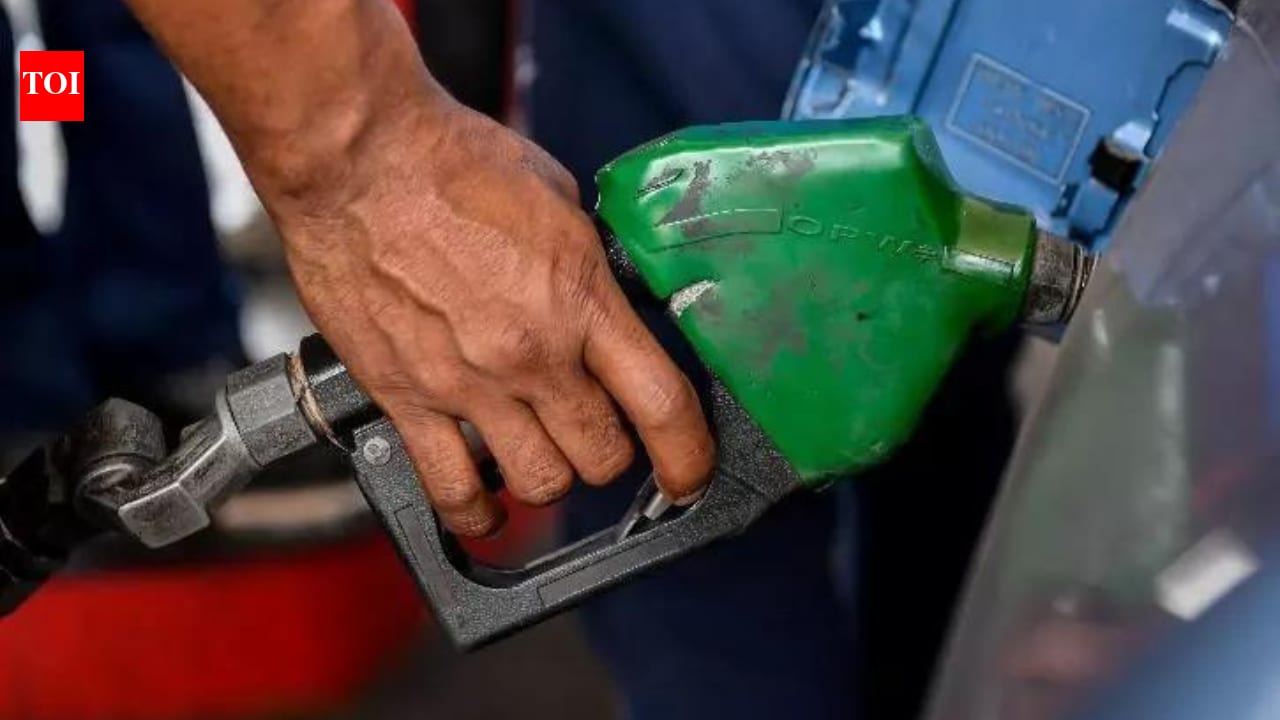
The Indian government has significantly increased the export duties on diesel and Aviation Turbine Fuel (ATF), raising the diesel duty from Rs 8.5 to Rs 15.5 per litre and ATF from Rs 7.5 to Rs 14.5 per litre to prioritize domestic fuel availability.
Strategic Shift in Fuel Export Policy
The government has announced a substantial increase in the export duties for two critical petroleum products: diesel and Aviation Turbine Fuel (ATF). Specifically, the duty on diesel exports has jumped from Rs 8.5 per litre to Rs 15.5 per litre, while ATF has seen an increase from Rs 7.5 per litre to Rs 14.5 per litre. This move represents a decisive fiscal intervention aimed at managing the delicate balance between international trade opportunities and domestic energy security.
Prioritizing Domestic Supply and Price Stability
The primary driver behind this hike is likely the desire to curb the outflow of refined petroleum products to international markets. By increasing the cost of exporting these fuels, the government creates a financial disincentive for refineries to prioritize foreign buyers over domestic demand. In an era of volatile global crude oil prices, ensuring that diesel—the lifeline of logistics and agriculture—and ATF—the backbone of the aviation industry—remain available within the country is paramount to preventing domestic price spikes and supply shortages.
Economic Implications for Refineries and Trade
For India's massive refining sector, these changes alter the profitability margins of export-oriented operations. Refineries that previously benefited from the price arbitrage between the Indian domestic market and the global market will now face higher overheads. This shift forces a realignment of business strategies, pushing companies to optimize their domestic distribution networks. While this may slightly impact the immediate export revenue of oil marketing companies, the broader economic goal is to shield the internal economy from the inflationary pressures associated with fuel scarcity.
Impact on the Aviation and Transport Sectors
The increase in ATF export duty is particularly noteworthy. As the aviation sector continues its post-pandemic recovery, the availability and pricing of jet fuel are critical. By restricting the export of ATF, the government is effectively ensuring that domestic airlines have a more secure supply chain. Similarly, the hike in diesel duties protects the transport sector. Since diesel powers the majority of commercial trucking and farming equipment in India, any shortage could lead to a ripple effect, increasing the cost of transporting essential goods and food, thereby fueling overall inflation.
Global Context and Fiscal Strategy
This policy move aligns with a broader global trend where nations are increasingly adopting 'energy nationalism' to protect their internal markets from global shocks. When international prices for refined products soar, countries often implement export taxes to prevent domestic shortages. From a fiscal perspective, these higher duties also serve as a source of additional revenue for the government, which can be utilized for infrastructure development or subsidies to offset fuel costs for the most vulnerable sectors of the economy.
Conclusion and Future Outlook
In summary, the hike in export duties on diesel and ATF is a strategic maneuver to insulate the Indian domestic market from global volatility. By prioritizing internal consumption over export profits, the government is attempting to stabilize fuel prices and ensure operational continuity for the transport and aviation industries. Looking ahead, these duties are likely to remain dynamic, fluctuating in response to global crude oil benchmarks and the internal demand-supply gap, reflecting a cautious and protective approach to national energy management.