Banks advise customers to complete essential transactions ahead of 3-day strike from September 28
Source Entity
Latest News: Todays Latest News Headlines from India & World | Hindustan Times | Hindustan Times
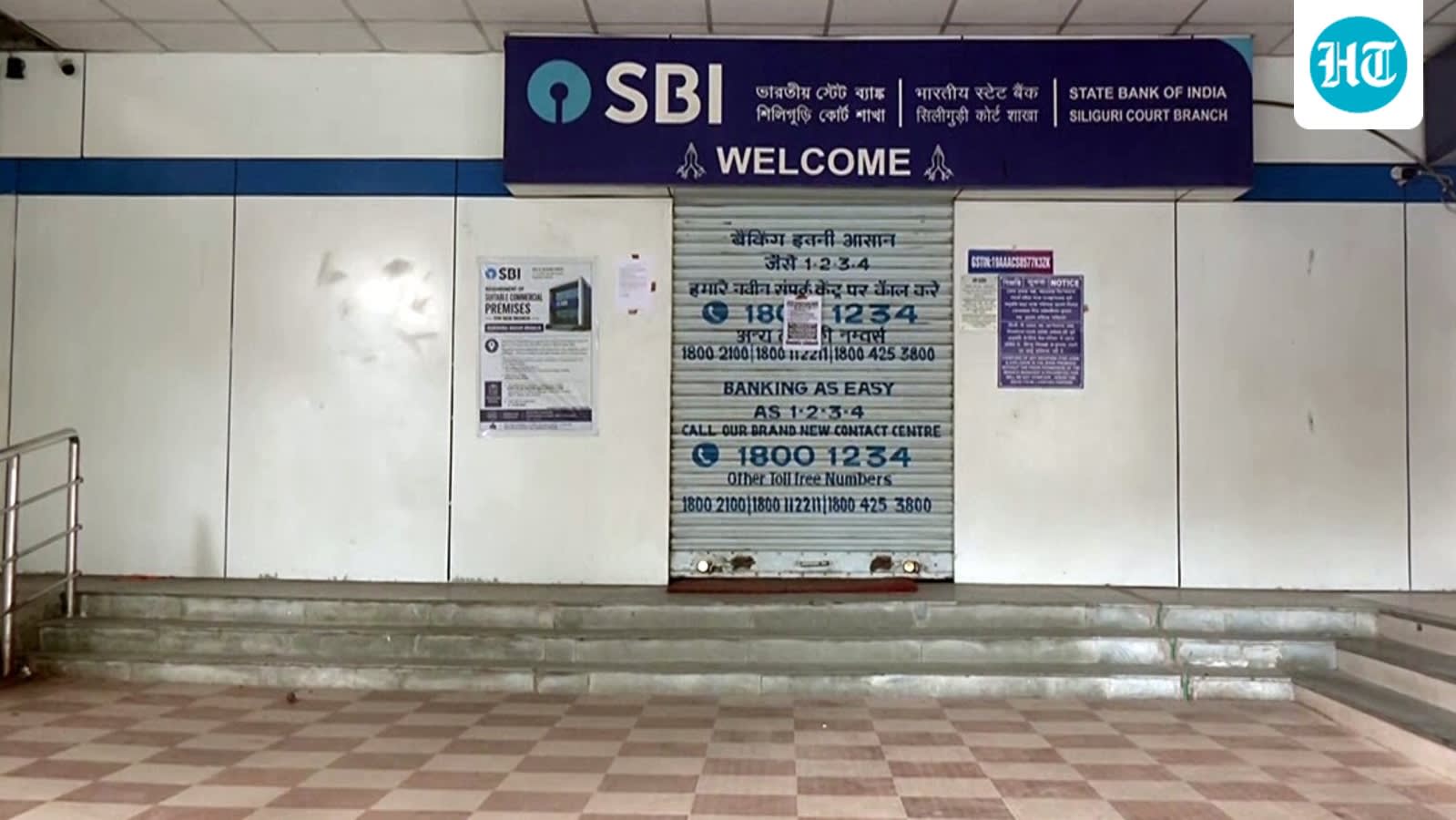
The United Forum of Bank Unions has called for a three-day strike starting September 28 to demand a five-day work week. Banks are urging customers to complete essential transactions early to avoid service disruptions during this period.
Analysis of the Upcoming Banking Sector Strike
Overview of the Impending Disruption
The United Forum of Bank Unions (UFBU), an umbrella organization asserting representation for nearly 90 percent of the nation’s banking workforce, has formally announced a three-day strike slated to commence on September 28. This industrial action is primarily aimed at securing a five-day work week, alongside a suite of other professional demands. As the date approaches, public sector banks and various old-generation private sector institutions have issued urgent advisories, encouraging customers to finalize all critical financial operations before the strike begins.
The Timing and Operational Impact
A particularly significant aspect of this strike is its timing, as it coincides with the banking sector's crucial half-yearly closing process. This period is historically marked by high transaction volumes and intensive accounting activities, making the prospect of a three-day cessation of services highly disruptive. By calling the strike during this window, the unions are intensifying pressure on management and regulatory bodies to address their long-standing grievances regarding work-life balance and operational policy.
Union Demands and Strategic Rationale
The core impetus for this movement is the UFBU’s insistence on a transition to a five-day work week. Banking employees have long argued that the current work schedule is unsustainable given the evolving demands of the digital financial landscape. By organizing this strike, the unions are signaling a unified front, leveraging their massive collective bargaining power to force negotiations. The demand for a five-day work week is not merely about reduced hours but is framed as a necessity for maintaining employee morale and productivity in a high-pressure sector.
Customer Guidance and Mitigation
In response to the potential for widespread service failure, banks have proactively communicated with their clientele. The advisories issued are a direct attempt to mitigate the inconvenience that millions of account holders will face. Customers are being urged to utilize digital banking channels, ATMs, and pre-scheduled payments to bridge the gap. However, the reliance on human-operated services, such as clearing houses, loan processing, and physical document verification, remains a significant concern for those who cannot transition entirely to digital platforms.
Broader Economic Implications
Should the strike materialize as planned, the ramifications will extend beyond individual customer inconvenience to broader economic friction. The banking sector serves as the backbone of the economy, and a three-day paralysis could lead to delays in salary processing, trade settlements, and government-led financial initiatives. The standoff highlights the growing tension between unionized labor seeking better working conditions and the institutional requirement for continuous, seamless financial availability.
Future Outlook and Conclusion
As the September 28 deadline looms, the banking industry faces a pivotal moment. The resolution of this dispute will likely set a precedent for future labor relations within the financial sector. If the UFBU’s demands are met, it may signal a shift toward more flexible working arrangements in public-sector institutions. Conversely, a failure to reach an agreement could lead to prolonged industrial action, necessitating further intervention from regulatory authorities to ensure that national financial stability is not compromised by labor disputes.
Verification Required?