Barapullah Phase III elevated corridor, worth ₹1,635 crore, opens in Delhi
Source Entity
Latest News: Todays Latest News Headlines from India & World | Hindustan Times | Hindustan Times
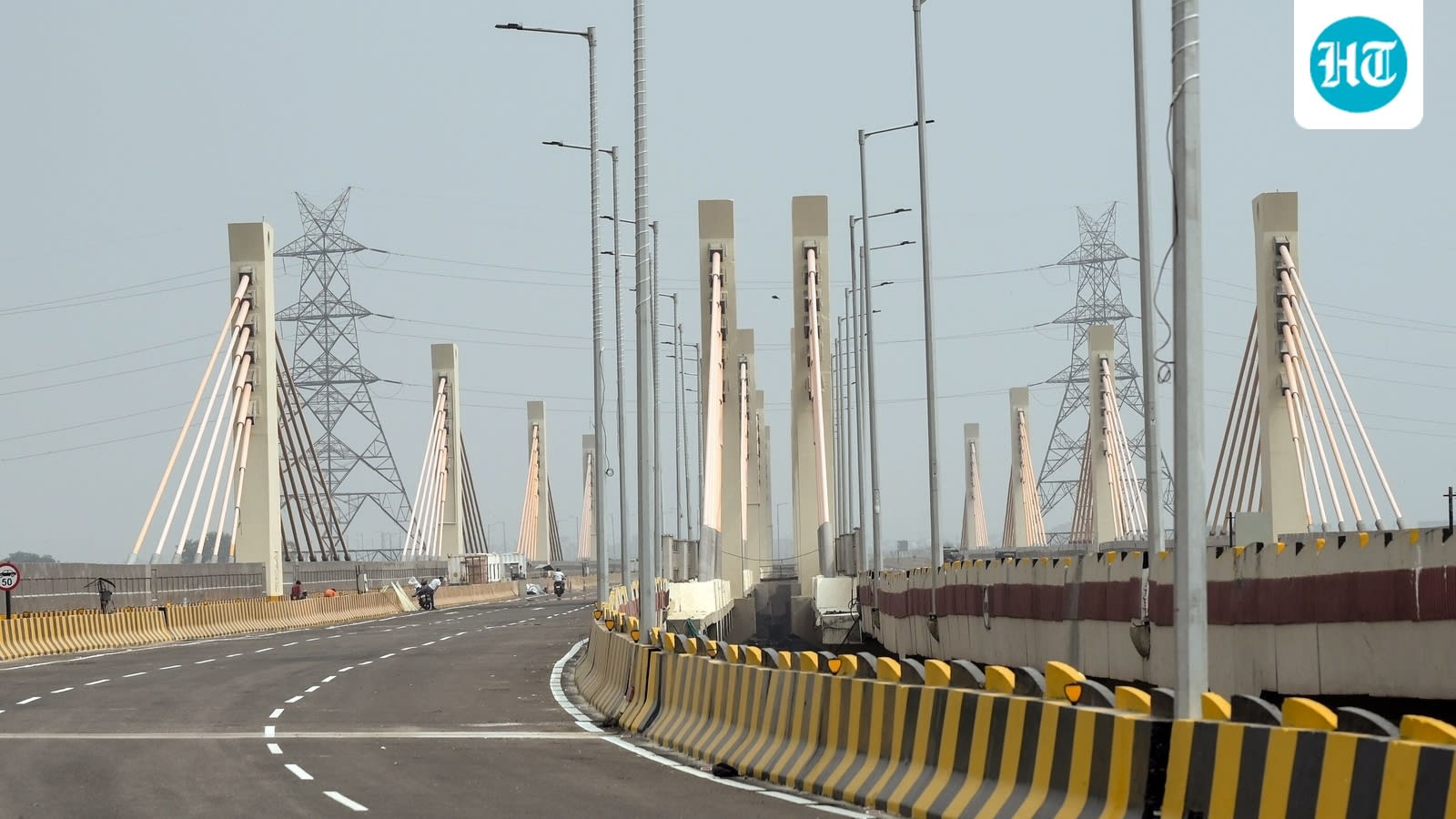
The Barapullah Phase III elevated corridor, a ₹1,635 crore project, has been inaugurated by Union Home Minister Amit Shah to provide signal-free connectivity between East and South Delhi. This 9-km stretch significantly reduces travel time to AIIMS and includes modern pedestrian and cycling infrastructure.
Enhancing Delhi's Connectivity: The Barapullah Phase III Milestone
The inauguration of the Barapullah Phase III elevated corridor marks a transformative moment for Delhi’s urban infrastructure. Spanning 5 kilometers, this new segment acts as a vital bridge between Mayur Vihar Phase I and Sarai Kale Khan, effectively integrating with the existing Barapullah network to create a seamless, 9-km signal-free arterial route. By linking East Delhi and the Noida periphery to the critical medical hub of AIIMS and the commercial centers of South Delhi, the project addresses one of the capital's most persistent traffic bottlenecks.
Engineering and Infrastructure Advancements
Beyond its function as a transit link, the project showcases significant engineering prowess, particularly with its specialized bridge structure designed to traverse the Yamuna floodplain. The corridor features a 3.5-km, three-lane flyover equipped with eight complex loops—four each at the Sarai Kale Khan and Mayur Vihar junctions. This intricate design is intended to manage high-volume traffic flows efficiently, reducing the friction typically associated with major city intersections.
Impact on Commuter Efficiency
For the thousands of daily commuters traveling between Noida, East Delhi, and South Delhi, the benefits are substantial. Government estimates suggest that the travel time to AIIMS, which previously hovered between 35 and 40 minutes during peak hours, will now be slashed to approximately 15 minutes. This drastic reduction in transit time not only improves the quality of life for residents but also contributes to lower fuel consumption and reduced vehicular emissions in the capital.
Holistic Urban Planning
It is noteworthy that the project goes beyond catering exclusively to motorized vehicles. By incorporating a dedicated cycle track and pedestrian infrastructure, the planning authorities have signaled a shift toward more inclusive and sustainable urban mobility. This multi-modal approach acknowledges the needs of diverse road users and aligns with modern urban design principles that prioritize accessibility and safety over pure vehicular throughput.
Broader Infrastructure Context
This inauguration, valued at ₹1,635 crore, is part of a larger push by the government to revitalize Delhi’s road network. Union Home Minister Amit Shah also unveiled additional projects worth ₹1,951 crore, including two new flyovers and an underpass at Mukarba Chowk. These projects collectively indicate a strategic effort to resolve long-standing delays in infrastructure delivery and provide a cohesive transport network across the city’s northern and southern corridors.
Future Implications and Challenges
While the opening of the corridor provides immediate relief, it also sets a precedent for future urban development in Delhi. The successful completion of this long-delayed project, which has been under construction since 2015, highlights the complexities of executing large-scale infrastructure in densely populated urban environments. Moving forward, the focus will likely shift toward the maintenance of these assets and the integration of smart traffic management systems to ensure that the newly achieved signal-free status remains sustainable as traffic volumes continue to grow.
Multiple Citing Sources
Verification Required?