Delhi’s Barapullah Phase III opens today: What changes for commuters
Source Entity
Devansh Mittal
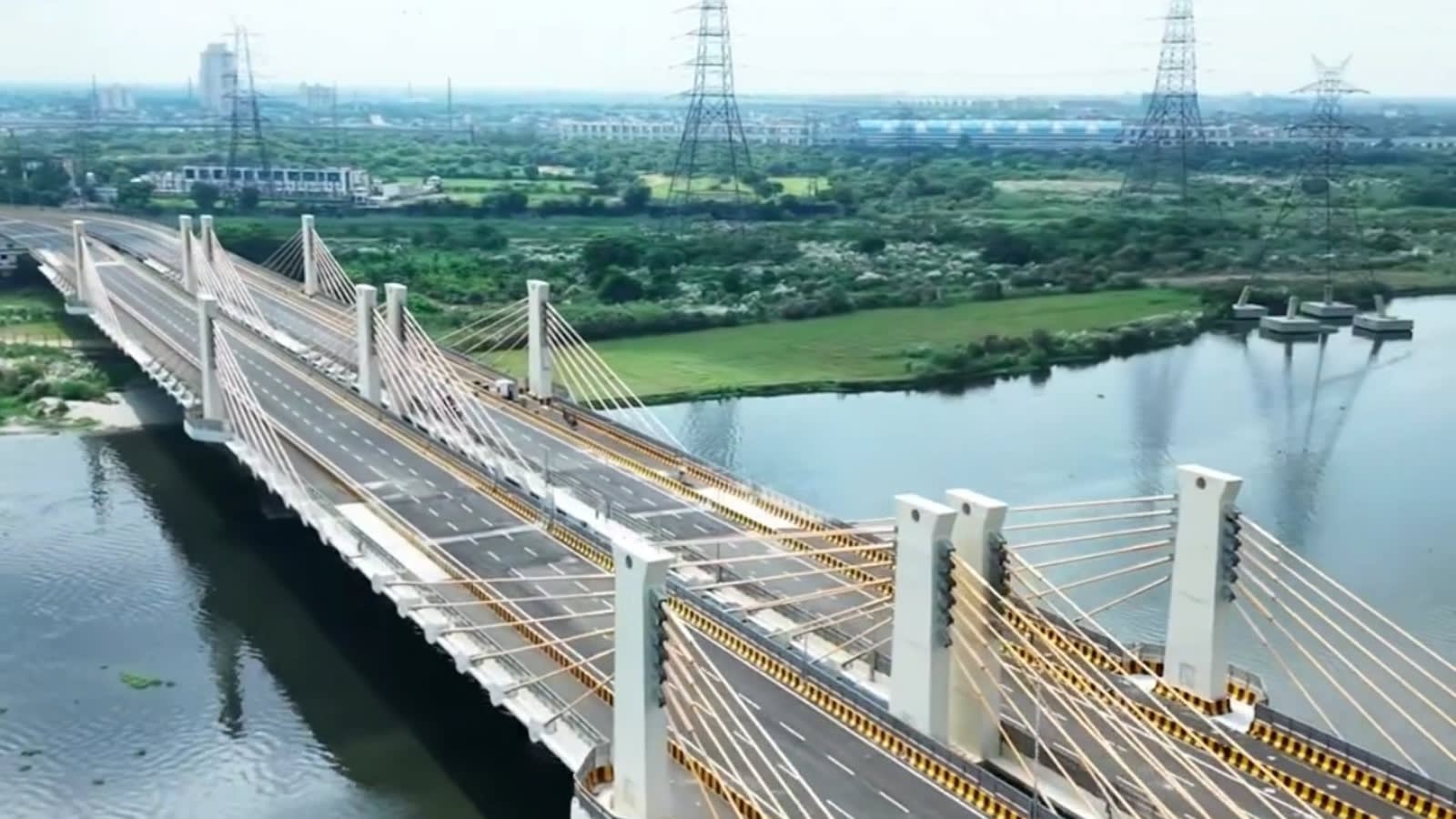
Union Home Minister Amit Shah has inaugurated the 9-km Barapullah Phase III elevated corridor in Delhi. This project aims to provide signal-free connectivity between East Delhi and South Delhi, significantly reducing travel time to AIIMS.
Enhancing Delhi's Connectivity: The Barapullah Phase III Corridor
On Tuesday, Union Home Minister Amit Shah officially inaugurated the Barapullah Phase III elevated corridor, marking a significant milestone in Delhi's urban infrastructure development. This critical project, which has been under construction since 2015, serves as a vital link connecting Mayur Vihar Phase I in East Delhi to Sarai Kale Khan, and ultimately extending connectivity toward the AIIMS area in South Delhi.
Engineering Achievements and Project Scope
The project is a feat of modern engineering, most notably featuring a specialized bridge structure that spans the Yamuna floodplain. The newly opened segment is a 3.5-km-long, three-lane flyover, which, when integrated with the existing Barapullah corridor, creates a seamless, approximately 9-km elevated stretch. The design incorporates eight complex loops—four at Sarai Kale Khan and four at Mayur Vihar—to ensure efficient traffic flow and address the bottleneck issues that have historically plagued this transit route.
Impact on Commuter Efficiency
The primary objective of the Barapullah Phase III corridor is to alleviate the intense traffic pressure currently experienced by commuters traveling between Noida, East Delhi, and South Delhi. According to government projections, the completion of this signal-free corridor is expected to slash travel times significantly; for instance, the journey from East Delhi or Noida to AIIMS is anticipated to drop from the current 35–40 minutes to just 15 minutes. This reduction is expected to have a cascading positive effect on fuel efficiency and carbon emissions in the capital.
Infrastructure Development and Urban Planning
Beyond the vehicular lanes, the project emphasizes holistic urban mobility by including dedicated infrastructure for cyclists and pedestrians. This reflects a broader shift in Delhi’s transport policy toward multi-modal transit solutions. The inauguration also occurred alongside the unveiling of other major road projects in Delhi, totaling ₹1,951 crore, signaling a concerted effort by the government to prioritize the modernization of the city's arterial road networks.
Challenges and Future Outlook
While the project promises long-term relief, the inauguration itself caused temporary logistical challenges, with traffic advisories issued for the Ring Road, affecting areas like Ashram Chowk and Maharani Bagh during the event. Looking forward, the success of the Barapullah Phase III corridor will be a litmus test for future urban planning in Delhi. With the addition of two new flyovers and a Mukarba Chowk underpass also announced, the government appears committed to continuing its aggressive pace of road infrastructure expansion to accommodate the capital's growing population.